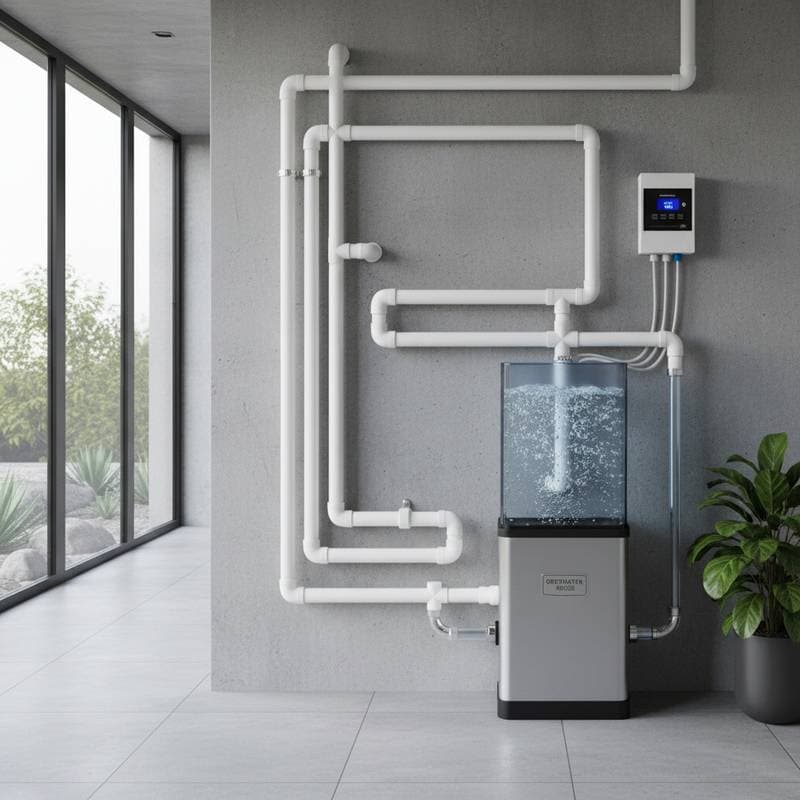
Understanding Greywater Systems
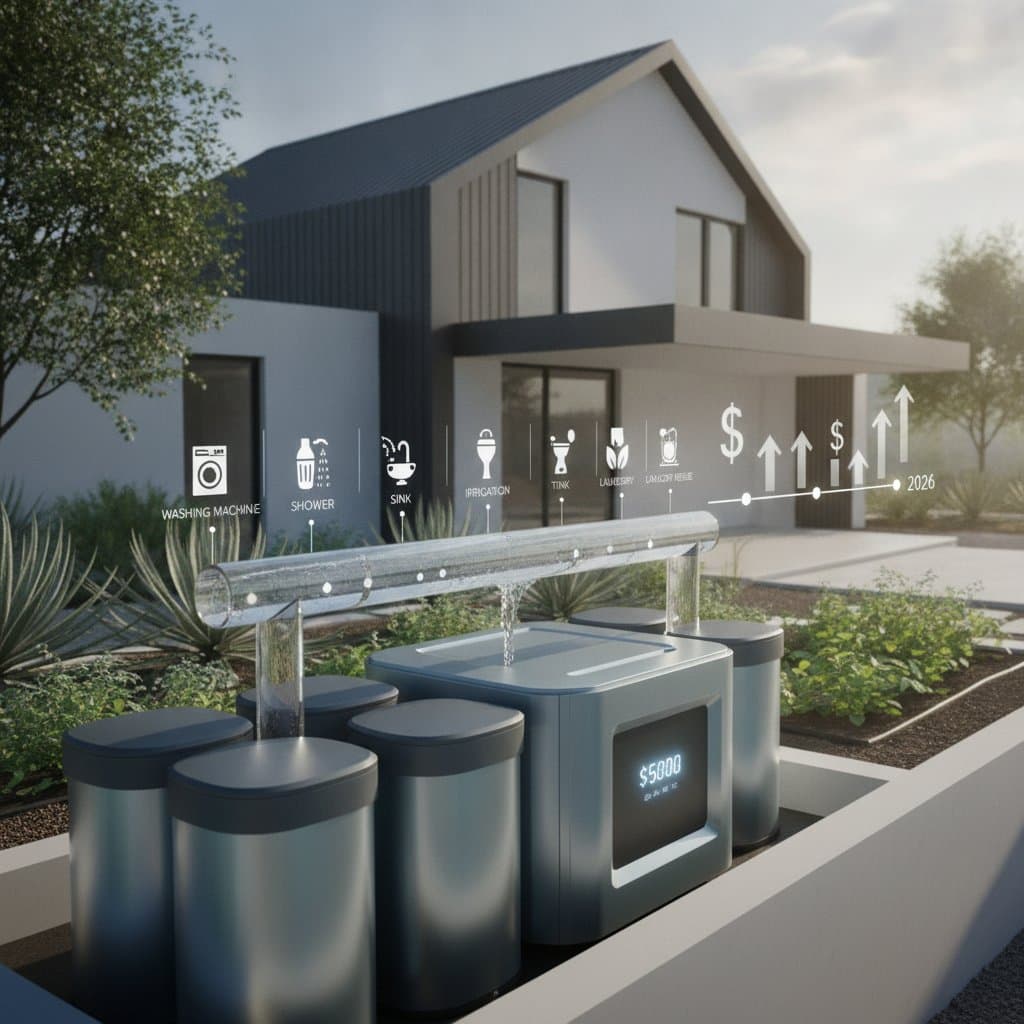
Greywater refers to lightly used household wastewater from sinks, showers, and laundry, excluding toilet water. These systems collect and treat this water for non-potable uses such as garden irrigation or toilet flushing. In 2025, rising water rates and environmental awareness make greywater adoption a timely strategy for homeowners seeking to lower utility expenses and support conservation efforts.
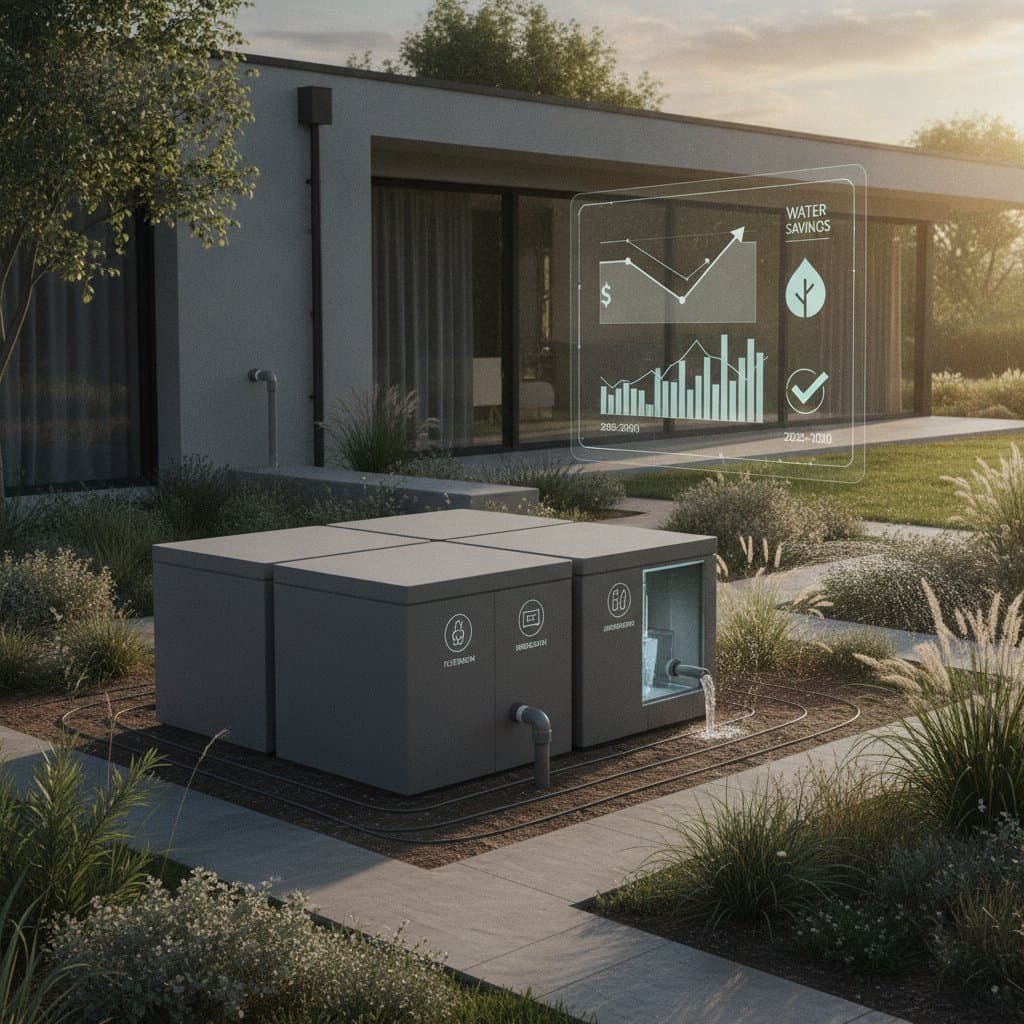
Implementing a greywater system involves diverting water through filters and treatment units before redistribution. Basic setups focus on outdoor applications, while advanced models handle indoor reuse. Homeowners benefit from immediate reductions in freshwater demand, often seeing bill decreases of 30 to 50 percent depending on household size and usage patterns.
Factors Influencing Installation Costs
Several elements determine the overall expense of a greywater system, typically ranging from $1,500 for simple diverters to $10,000 or more for comprehensive units. Understanding these factors helps homeowners budget effectively and select appropriate options.
- System size: Larger residences or properties with extensive landscaping require expanded storage tanks and robust pumps to handle increased volumes.
- Existing plumbing: Integrating systems into older homes demands additional labor for pipe rerouting, whereas new builds allow seamless incorporation during construction.
- Treatment level: Advanced systems with disinfection for toilet flushing involve UV filters or chlorination, elevating costs beyond simple filtration for irrigation.
- Soil and yard layout: Challenging terrains, such as sloped or clay-heavy soils, necessitate extra piping, pumps, or mulch basins to ensure even distribution.
- Local codes and permits: Compliance with regional regulations on water quality and discharge may require engineering reviews or inspections, adding modest fees.
To control costs, assess actual water output and reuse needs precisely. For instance, a modest yard might suffice with a $500 laundry-to-landscape diverter, whereas expansive estates warrant investment in a $5,000 treated system.
Benefits Beyond Financial Savings
The primary appeal of greywater systems lies in bill reductions, but broader advantages enhance daily living and community well-being. By recycling water onsite, these systems alleviate pressure on public utilities, potentially delaying expensive sewer expansions in growing areas.
Nutrient-laden greywater nourishes plants more effectively than tap water, leading to lush gardens with fewer fertilizers. During droughts or restrictions, homeowners maintain landscapes without rationing fresh supplies, fostering resilience. Surveys from sustainability groups indicate that users report heightened satisfaction from contributing to water security.
Reliability hinges on routine care, as shared in online homeowner networks. Tasks such as filter rinsing every three months and valve inspections annually prevent clogs and extend system life to 15 years or longer.
Safety and Maintenance Guidelines
Greywater systems pose minimal risks when managed correctly, but adherence to protocols safeguards health and functionality. Treated water suits subsurface irrigation to avoid human or edible plant contact.
Key practices include:
- Selecting biodegradable, plant-safe soaps to preserve microbial balance in soil and pipes.
- Excluding kitchen wastewater, which carries grease and organics that foster pathogens.
- Scheduling quarterly flushes to clear sediment from tanks and lines.
- Employing low-pressure drip lines over surface sprays to reduce evaporation and exposure.
- Securing all access points with tight seals to block pests and contain any scents.
These measures maintain water quality and avert repairs, ensuring the system operates efficiently year-round.
Types of Greywater Systems Compared
Selecting the right system type aligns with property features and goals. Each category offers trade-offs in cost, complexity, and versatility.
- Gravity systems: Ideal for single-level homes with downhill slopes, these use natural flow without electricity, keeping installation under $2,000. They suit basic irrigation but limit reach on flat ground.
- Pumped systems: Essential for multi-story structures or even terrain, powered pumps distribute water uphill or across distances, with costs around $3,000 to $6,000. Flexibility comes at the expense of higher energy use.
- Hybrid systems: Merging gravity and pumping with automated sensors, these adapt to varying conditions and integrate with apps for monitoring. Priced from $4,000 to $8,000, they appeal to tech-savvy users planning expansions like rainwater collection.
Evaluate site specifics through a professional audit to match type with needs, maximizing return on investment.
Installation Considerations and Professional Guidance
While basic diverters allow homeowner setup, complex systems demand expert involvement for code adherence and performance. Certified plumbers isolate greywater lines to prevent cross-contamination with potable supplies.
Begin by consulting local authorities on permits, which vary by jurisdiction—some mandate backflow preventers or soil tests. Engage contractors experienced in greywater, reviewing portfolios for similar projects to ensure quality. Professional installs typically complete in one to three days, minimizing disruption.
Post-installation, schedule initial inspections to verify flow and treatment efficacy. This approach avoids fines and warranties system longevity.
Steps to Implement Greywater Reuse
Transitioning to greywater begins with a home water audit to quantify reuse potential. Map plumbing and yard zones to design efficient routing, then obtain quotes from three vetted installers.
Start modestly if budgets constrain: Install a laundry diverter for immediate garden benefits, then scale to full systems. Track savings via utility statements to refine usage. Over time, these upgrades not only trim costs but cultivate self-sufficient properties, aligning personal homes with broader sustainability objectives.