Get Your Chimney and Fireplace Ready for Fall
Cooler evenings signal the time to prepare your fireplace for safe, efficient use. Proper maintenance now avoids smoke problems, unpleasant odors, and expensive repairs during the heating season. This guide provides detailed steps to ready your chimney and fireplace, including essential tools and signs that professional assistance is necessary.
Why Seasonal Chimney Maintenance Matters
Every fire deposits soot and creosote inside the chimney. Creosote forms as a tar-like substance from burning wood, and it accumulates in layers that become highly flammable over time. If buildup reaches a critical thickness, it can ignite into a chimney fire, which spreads heat to nearby combustible materials and endangers the structure.
A clogged flue prevents proper venting, forcing smoke back into the living space. This not only creates discomfort but also exposes occupants to harmful particles that degrade indoor air quality. Regular maintenance ensures optimal airflow, allowing fires to burn hotter and more completely, which reduces fuel consumption and maximizes heat output.
Beyond safety, clean chimneys comply with building codes and insurance policies in many areas. Homeowners who neglect inspections risk denied claims after an incident. Scheduling annual service aligns with these requirements and extends the lifespan of the fireplace system.
Step-by-Step Fireplace Cleaning
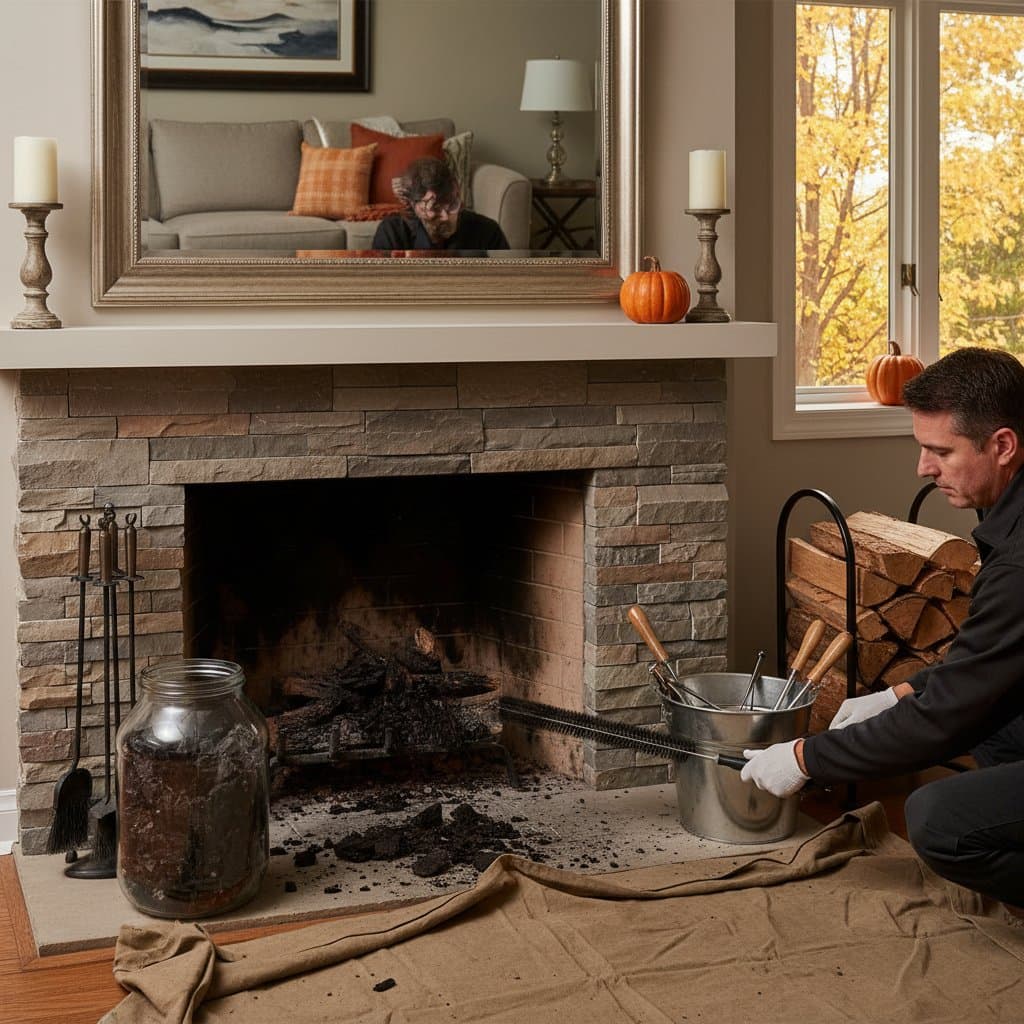
Homeowners can perform basic cleaning to remove surface ash before a professional arrives. Start by assembling the right supplies: a sturdy metal bucket for debris, a stiff-bristled brush designed for fireboxes, protective gloves, and a shop vacuum equipped with a HEPA filter to capture fine particles.
Protect surrounding areas by spreading a heavy drop cloth or tarp over the hearth and adjacent flooring. This prevents ash from scattering and staining surfaces. Allow the fireplace to cool completely, typically 24 hours after the last use, to avoid burns or reigniting embers.
Use a small shovel or ash scoop to remove loose ash from the firebox, transferring it directly into the bucket. Follow with gentle vacuuming to extract remaining dust without damaging the bricks. For stubborn soot on the interior walls, prepare a solution of warm water and a mild, non-abrasive detergent, then scrub vigorously with the brush.
Rinse the firebox with a damp cloth and inspect for damage. Look closely for hairline cracks in the mortar or loose bricks, which compromise the seal and allow smoke or heat to escape. Document any concerns with photographs to share with a sweep during inspection.
Suggested image: A homeowner wearing gloves brushing soot from the inside of a brick fireplace, alt text: “Cleaning fireplace walls before seasonal use.”
Inspecting the Chimney
Surface cleaning addresses the firebox, but the chimney liner requires separate attention. From inside the home, shine a bright flashlight up the flue to spot obvious blockages like animal nests, fallen leaves, or excessive soot. Position a small mirror at an angle to view the sides, where buildup often hides.
Creosote appears as a black, tarry glaze that hardens into flaky layers. If the coating exceeds one-eighth inch in thickness, it demands immediate professional intervention to prevent ignition risks. Avoid climbing onto the roof for a top-down view unless equipped with safety gear, as falls represent a leading cause of chimney-related injuries.
Certified chimney sweeps employ long-handled brushes with flexible rods to scour the entire length of the flue. They also deploy inspection cameras to capture video footage of the interior, revealing cracks, corrosion, or obstructions invisible from below. Full inspections cover the damper mechanism, which controls airflow, the chimney cap that blocks debris and animals, and the flashing that seals the roof penetration against water intrusion.
Annual sweeps, ideally performed in late summer or early fall, maintain compliance with safety standards. In regions with frequent wood-burning, more frequent visits may be advisable for heavy users. This proactive approach identifies issues early, averting costly emergencies.
Suggested image: A professional chimney sweep using a camera tool inside a brick chimney, alt text: “Professional chimney inspection using modern tools.”
Common Problems to Watch
Smoke spilling into the room often stems from a partially blocked flue or a damper left in the closed position. Before lighting any fire, open the damper fully and verify clear airflow by holding a lit match near the opening; the flame should draw upward steadily. Persistent issues may indicate downdrafts caused by nearby trees or wind patterns, requiring a sweep to assess and adjust.
Soot stains along the brickwork signal incomplete combustion, typically from burning green or wet wood that produces excess smoke. Switch to kiln-dried or air-seasoned hardwoods like oak or maple, which ignite readily and generate steady heat. Store logs for at least six months in a dry location to achieve the ideal moisture content of 20 percent or less.
Chimney odors arise when moisture penetrates the flue and reacts with creosote, creating a smoky or musty smell that permeates the home. Seal minor leaks with high-temperature caulk, but address the root cause through proper capping and annual cleaning. Keep the damper sealed tight during off-seasons to exclude rain and humidity.
Cracked mortar joints or spalling bricks expose wooden framing to intense heat, raising fire hazards. These structural weaknesses often result from exposure to acidic creosote or freeze-thaw cycles in cold climates. Prompt repairs by a mason using refractory cement restore integrity and prevent escalation to major rebuilds.
Suggested chart: Table showing “Problem,” “Likely Cause,” and “Fix” columns for quick reference. Example rows: Smoke in room | Blocked flue | Open damper and inspect; Soot stains | Wet wood | Use seasoned logs; Odor | Moisture in creosote | Install cap and clean annually; Cracked mortar | Weather exposure | Repair with refractory cement.
Cost and Professional Help
Chimney cleaning costs range from $150 to $400 for a standard single-flue home, depending on location, accessibility, and buildup severity. Urban areas with higher labor rates command premiums, while rural services may offer lower fees. Additional expenses, such as $100 to $300 for creosote removal or $200 to $500 for masonry repairs, apply to complex jobs.
Select professionals certified by the Chimney Safety Institute of America for verified expertise. Read online reviews on platforms like Angi or the Better Business Bureau to gauge reliability and customer satisfaction. Request quotes from at least three providers, inquiring about warranties on work and any guarantees against re-accumulation.
Quality sweeps provide visual proof of their efforts, such as photographs of the flue before and after cleaning. These demonstrate thoroughness, with dark, sooty interiors transformed to smooth, clean surfaces. Homeowners frequently report that the investment yields long-term savings through prevented damages and improved heating performance.
Safety and Efficiency Tips
Select dry, seasoned hardwood for all fires to minimize creosote production and ensure clean burning. Avoid softwoods like pine, which resin content accelerates buildup. Build fires gradually with kindling and small logs, allowing full ignition before adding larger pieces.
Position fireplace tools, including a poker for stirring and a spark screen for containment, within easy reach but away from the hearth edge. Install at least one carbon monoxide detector on each level of the home, testing monthly and replacing batteries annually. Place a smoke alarm nearby if not already present.
Elevate firewood storage on a raised rack under a waterproof cover, positioned at least 20 feet from the house to deter pests and allow air circulation. This setup keeps wood dry and ready, reducing the chance of damp logs that smother flames or produce excess smoke.
After extinguishing a fire, rake coals to the center and close the damper only once temperatures drop below 100 degrees Fahrenheit, confirmed with an infrared thermometer. Overnight, monitor for lingering heat to prevent chimney fires from rekindling.
Suggested image: Stack of dry split firewood on a covered rack, alt text: “Properly stored seasoned wood for efficient burning.”
Establish a Year-Round Maintenance Routine
With initial cleaning complete, develop a schedule to sustain performance through winter. Schedule a mid-season inspection to remove accumulated ash and verify damper operation remains smooth. After significant weather events like high winds or heavy snow, examine the chimney cap from the ground using binoculars for dislodgement or damage.
Track usage patterns in a simple log, noting fire frequency and any unusual symptoms like drafts or noises. This record aids professionals during annual visits, helping them tailor advice to your specific setup. Integrate chimney care into broader home maintenance, such as gutter cleaning, to address interconnected issues like water runoff.
Consistent attention transforms the fireplace from a seasonal feature into a reliable heat source. Homeowners who follow these practices report fewer interruptions, lower energy bills, and enhanced enjoyment of hearth-centered gatherings. Safe fires contribute to a secure, comfortable living environment year after year.