Why Skipping Roof Checks Costs Thousands
A roof appears solid until a leak emerges. At that point, alarm arises as water stains expand on the ceiling and repair expenses mount rapidly. Homeowners often view regular roof inspections as unnecessary, but omission of these checks ranks among the costliest errors. Early detection of minor problems incurs fees comparable to a modest meal, whereas undetected deterioration can accumulate into thousands of dollars in damages.
The Real Cost of Ignoring Roof Maintenance
Homeowners frequently overlook the rapid progression of minor roof issues. A single absent shingle poses little immediate concern, yet water penetration through the underlayment initiates subsurface rot. Correcting a handful of shingles requires approximately fifty to one hundred dollars. In contrast, addressing rotted decking or compromised rafters escalates to two thousand dollars or higher. Prolonged neglect converts routine patching into complete roof replacement.
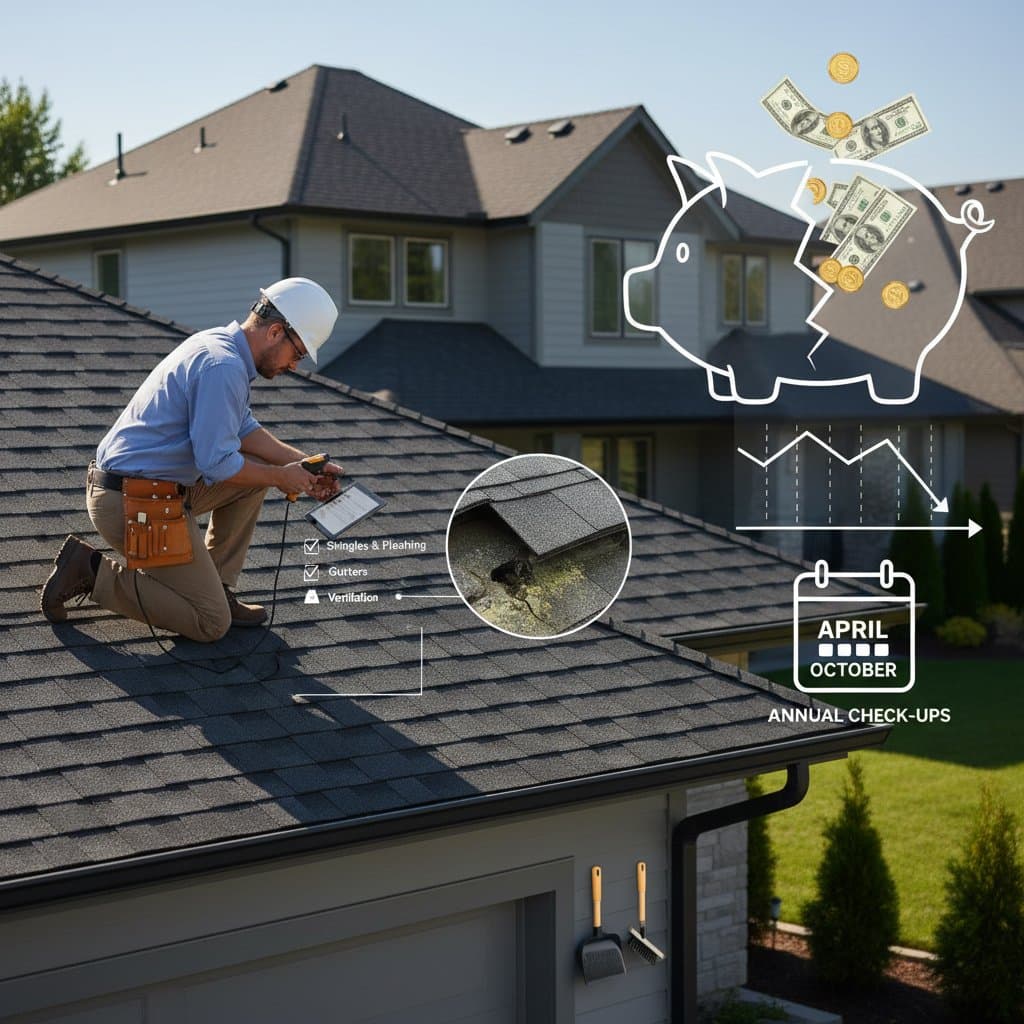
Roof inspections serve as the primary method to identify these concerns prior to escalation. Professional evaluations typically range from one hundred to three hundred dollars, influenced by roof dimensions and access difficulty. This investment pales against the standard roof replacement cost, which surpasses eight thousand dollars, highlighting the clear economic advantage.
What a Roof Inspection Actually Checks
A thorough roof inspection extends beyond a superficial ground-level observation. It entails a methodical examination of various elements essential to the roof's integrity.
Key Areas to Inspect
- Shingles or Tiles: Examine for curling, cracking, or absent sections. A single defective shingle permits water entry.
- Flashing: These metal strips encircling chimneys, vents, and valleys block leaks at roof junctions. Loose flashing frequently triggers concealed water intrusion.
- Gutters and Downspouts: Obstructed or impaired gutters retain moisture near roof margins, fostering fascia decay.
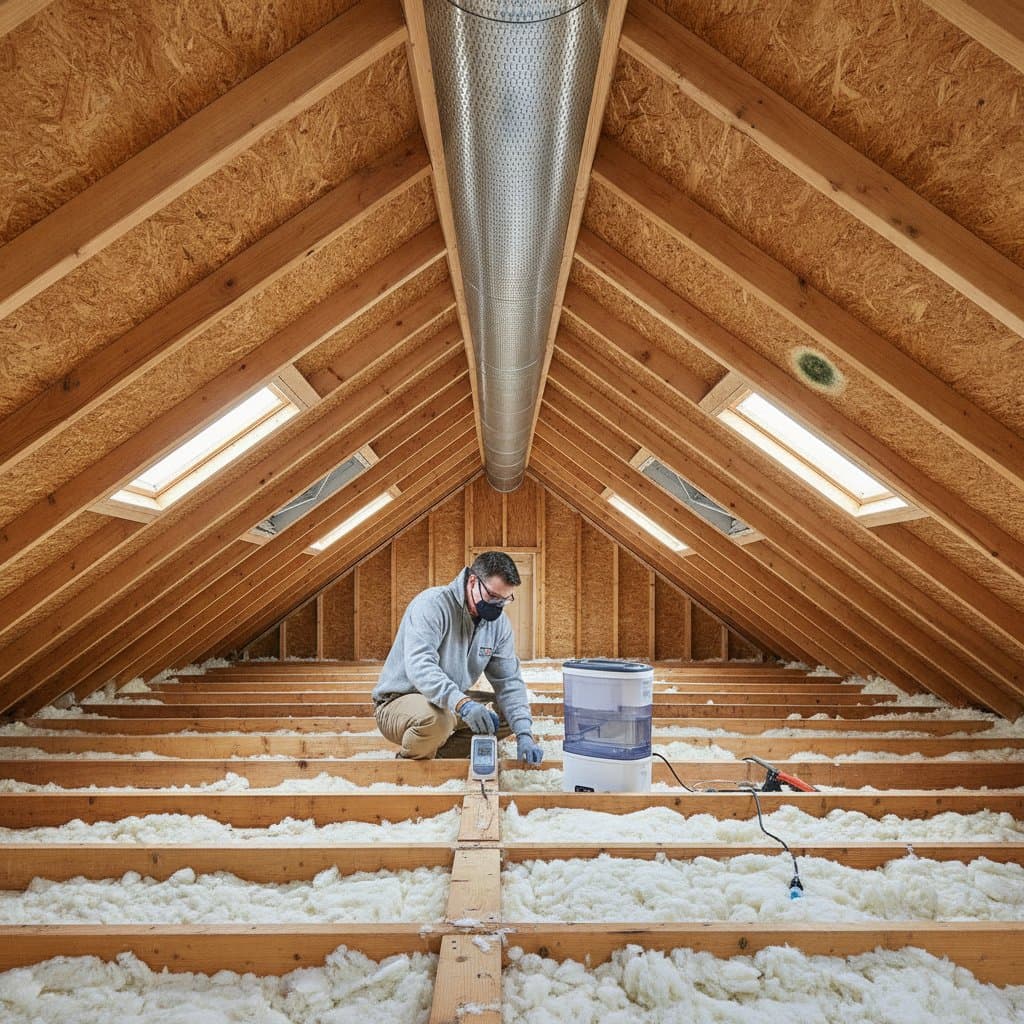
- Attic and Insulation: Indicators of moisture, mold, or light penetration through the roof deck suggest leaks.
- Sealant and Caulking: Brittle or fissured sealant around roof penetrations deteriorates swiftly during intense rainfall.
Comprehensive assessments encompass roof framework, ventilation systems, and drainage configurations. Numerous experts employ moisture detectors or infrared imaging to uncover concealed leaks.
When to Schedule Roof Inspections
Optimal timing varies by local climate and roof material, though biannual evaluations suit most residences. Conduct one assessment following winter storms and another after peak summer heat. Severe weather, fallen tree limbs, and thermal fluctuations all accelerate roof degradation.
Residences beneath tall trees benefit from quarterly ground-level observations to clear debris or moss accumulation. A minor branch scraping shingles erodes protective granules over one season alone.
Signs You Need an Immediate Roof Check
Certain indicators demand prompt evaluation rather than adherence to routine timing. Monitor for:
- Water marks on ceilings or walls
- Drooping sections along the roof edge
- Granule buildup in gutters
- Damp or earthy odors in the attic
- Flaking paint adjacent to roof lines
These symptoms typically signify active leaks rather than potential threats. Water penetration propagates swiftly through insulation, drywall, and structural supports.
DIY Roof Check vs. Professional Inspection
Homeowners may execute fundamental visual assessments from the ground or a reliable ladder. Scan for absent shingles, blocked gutters, and evident flashing impairment. Employ binoculars to survey elevated zones without ascending the roof.
Nevertheless, rooftop access presents hazards and restricts visibility. Experts possess training to detect nuanced structural flaws and utilize advanced equipment. For optimal coverage, combine annual professional inspections with interim homeowner reviews.
Tools to Use for DIY Checks
- Sturdy extension ladder supporting your body weight
- Protective gloves and footwear with traction
- Binoculars or zoom-enabled camera
- Flashlight for attic examination
- Garden hose to test for leaks following dry periods
Upon discovering pliable surfaces, mold, or protruding fasteners, engage a roofing specialist prior to any self-repair attempts.
Common Mistakes Homeowners Make
Omission of inspections constitutes the primary error, yet additional oversights compound the issue.
- Assuming warranties cover everything. Manufacturer guarantees frequently omit coverage for neglect-induced or maintenance-related damage.
- Ignoring attic ventilation. Inadequate airflow confines heat and humidity, curtailing shingle durability.
- Cleaning with harsh tools. High-pressure washers or abrasive scrapers remove essential protective layers.
- Delaying minor repairs. Postponed fixes seldom remain minor.
- Hiring unqualified help. Substandard repairs risk warranty invalidation and foster undetected leaks.
Circumventing these pitfalls prolongs roof longevity by multiple years.
Accessibility and Safety Considerations
Individuals with physical limitations or homes featuring steep pitches should refrain from personal climbs. In these scenarios, retain certified inspectors who deploy drones or extended cameras for secure imaging. Such services often deliver electronic summaries with visuals, enabling detailed review without personal involvement.
Properties equipped with accessibility features like ramps or gentle slopes simplify processes, yet safety remains paramount. Secure ladder placement, favorable weather, and companion assistance prove essential for elevated tasks.
How Skipping Checks Damages More Than the Roof
Roof neglect impacts beyond surface materials. Water ingress compromises insulation, promotes mold proliferation, and undermines load-bearing elements. When moisture invades interior spaces, electrical systems and wallboard necessitate additional remediation. Mold removal expenses alone span one thousand to five thousand dollars, contingent on extent.
Creating a Roof Maintenance Schedule
| Task | Frequency | Who Should Do It |
|---|---|---|
| Visual check from ground | Monthly | Homeowner |
| Gutter cleaning | Twice per season | Homeowner or pro |
| Professional roof inspection | Once or twice yearly | Licensed roofer |
| Attic moisture check | Monthly | Homeowner |
| After-storm inspection | As needed | Homeowner or pro |
Implementing Roof Protection Habits
Safeguarding the roof demands consistent vigilance rather than extensive labor. Establish calendar alerts for evaluations, clear gutters ahead of storms, and document roof conditions post-weather events. These practices avert thousands in reparable harm. A well-maintained roof shields all underlying areas, positioning inspections as integral to household upkeep.