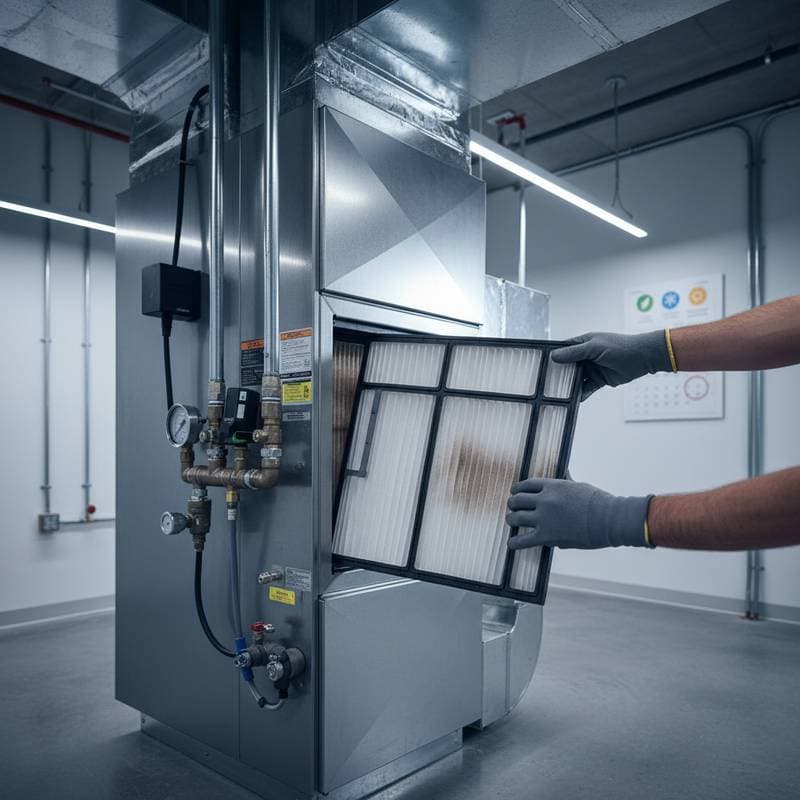
Recognize When Your HVAC Filter Requires Replacement
Homeowners often overlook subtle indicators that signal the need for a new filter. Dust accumulation near vents or on surfaces suggests poor filtration. Reduced airflow from registers or inconsistent room temperatures points to restrictions within the system. Increased indoor allergy symptoms, such as sneezing or itchy eyes, may result from circulating allergens.
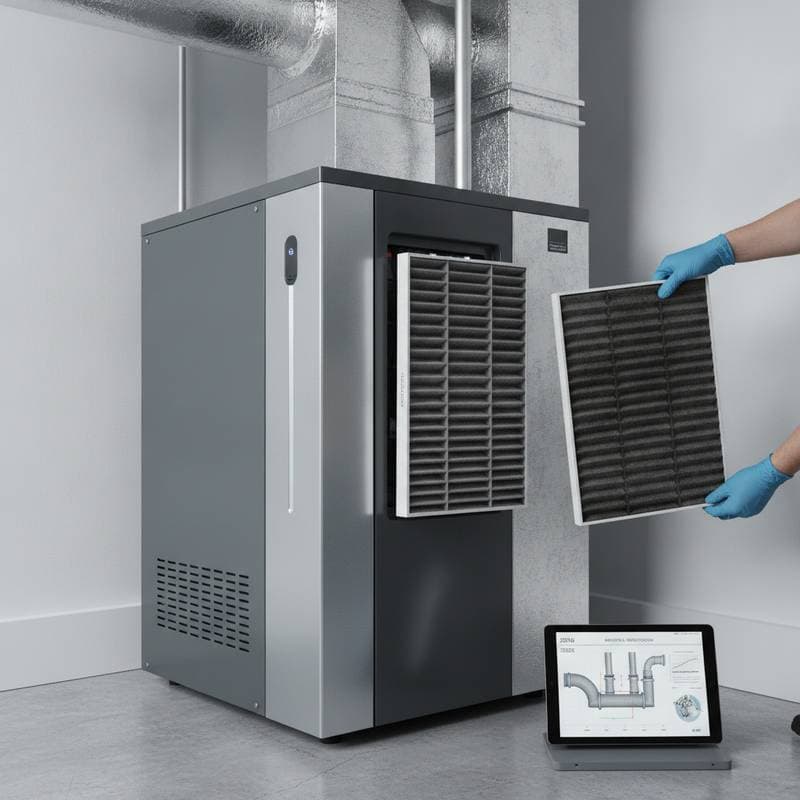
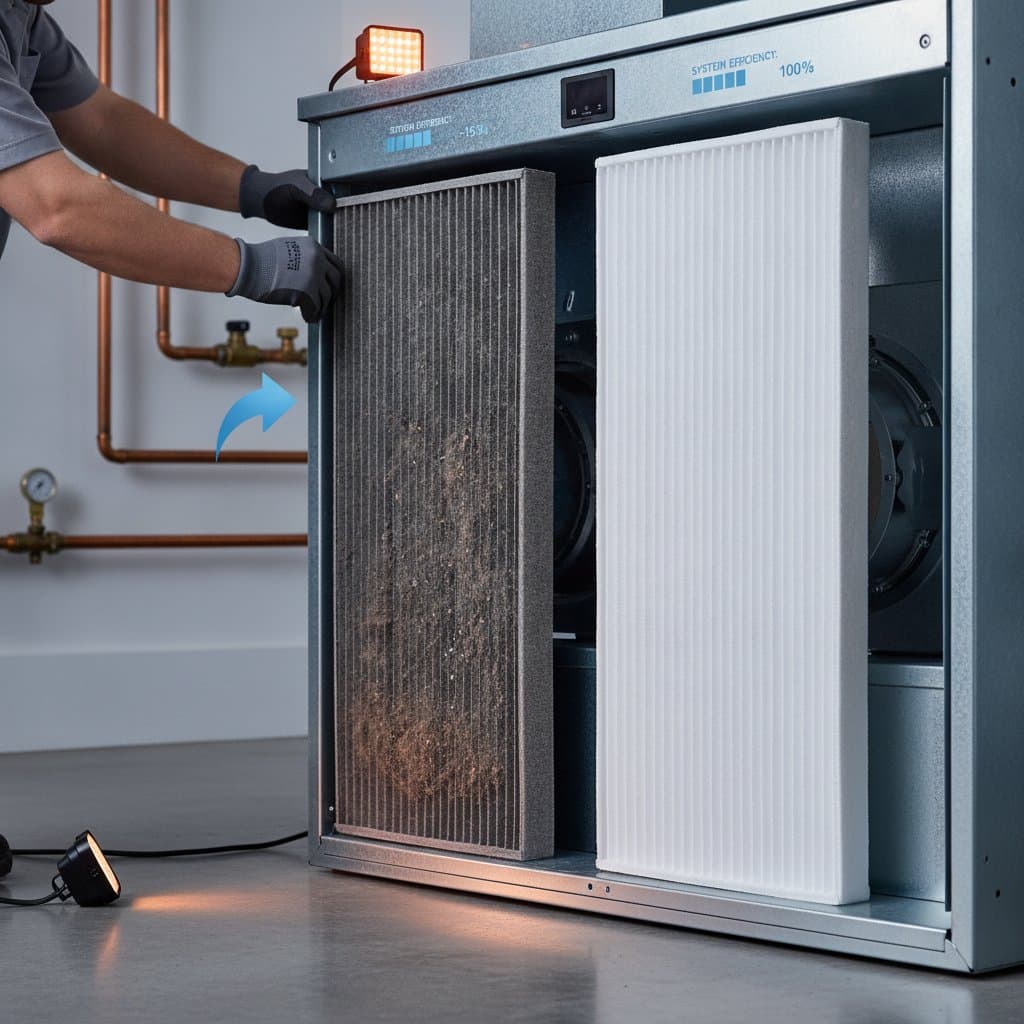
Inspect the filter itself for a gray or darkened appearance, which confirms particle capture overload. Addressing these signs promptly prevents strain on the heating system. Regular checks maintain peak performance as temperatures drop.
Replacing the filter before heavy heating use optimizes efficiency during winter. This practice reduces energy consumption and extends equipment life.
Select the Optimal Filter for Your Home
Filters vary in design and capability, so selection hinges on household factors like occupancy, pets, and air quality goals. Consider the HVAC system's specifications to avoid compatibility issues. A mismatched filter can increase energy demands or cause operational failures.
Fiberglass Filters
These basic options provide economical protection against larger debris. They suit low-maintenance environments without significant allergen sources. Replacement occurs frequently due to limited capacity.
Pleated Filters
With expanded surface area from folds, pleated models capture finer particles including dust mites and pet dander. They offer balanced performance for average households. Expect longer intervals between changes compared to fiberglass types.
Electrostatic Filters
Static charge enhances particle attraction in these filters, improving allergen control. Disposable versions simplify upkeep, while washable ones reduce long-term expenses. They benefit individuals with respiratory sensitivities.
HEPA Filters
These advanced filters remove nearly all microscopic contaminants, ideal for allergy-prone families. Their thickness demands verification of system compatibility to prevent airflow blockage. Professional consultation may prove necessary for installation.
Washable Filters
Durable and eco-friendly, these filters endure multiple cleaning cycles when maintained properly. Rinse them under water and allow full drying before reuse. Inconsistent care risks bacterial growth, undermining air purity.
Filter Comparison Table
| Filter Type | Typical Lifespan | Efficiency (MERV Rating) | Relative Cost |
|---|---|---|---|
| Fiberglass | 1-3 months | 1-4 (Low) | Low |
| Pleated | 1-3 months | 5-13 (Medium) | Medium |
| Electrostatic | 3-6 months | 8-13 (Medium-High) | Medium-High |
| HEPA | 6-12 months | 17-20 (High) | High |
| Washable | 6-12 months (with cleaning) | 1-8 (Low-Medium) | Medium (initial), Low (long-term) |
This table highlights key differences to guide your decision. Higher MERV ratings indicate better filtration but may require system adjustments.
Schedule Filter Replacement for Fall
Integrate filter changes into your autumn preparation routine alongside tasks such as testing carbon monoxide detectors or insulating attics. Early action aligns with rising heating needs and minimizes disruptions.
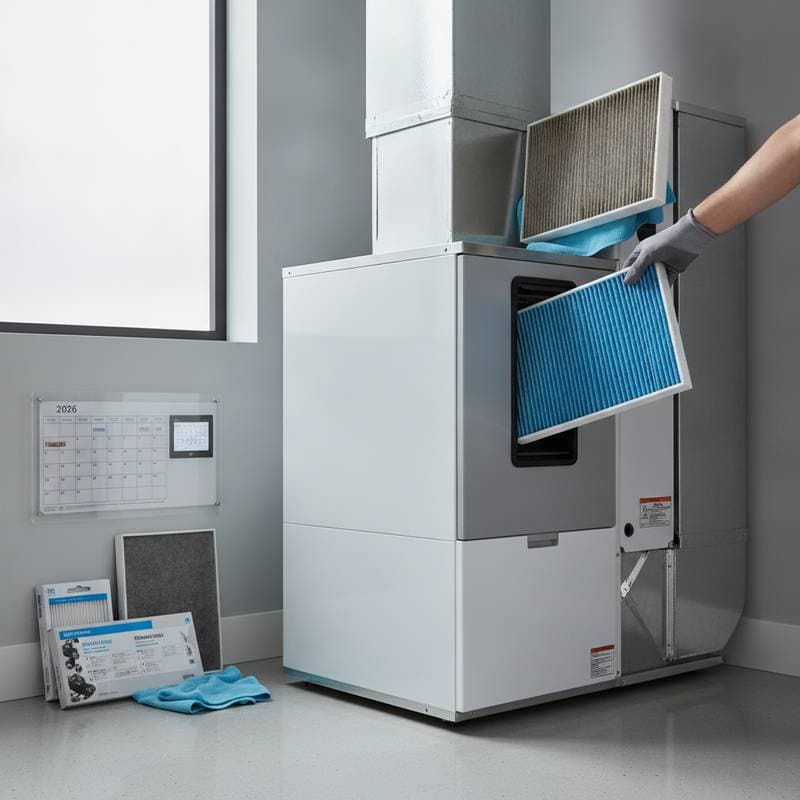
In dusty environments or homes with pets, examine filters monthly and replace as needed. Standard residences in temperate areas benefit from quarterly updates. Track changes on a calendar to build consistent habits.
Professional HVAC tune-ups often include filter assessment, providing an opportunity for expert advice. This comprehensive approach safeguards against seasonal breakdowns.
Essential Answers to HVAC Filter Queries
Determine the Correct Filter Dimensions
Locate the size markings on your current filter's edge, typically in inches. If absent, measure the HVAC compartment precisely, accounting for any frame allowances. Retailers stock common dimensions like 16x25x1 or 20x20x4.
Clean Disposable Filters Safely
Avoid vacuuming or washing these filters, as such actions compromise their structure. Always install a fresh unit to preserve filtration integrity and system health.
Evaluate Thicker Filter Benefits
Greater depth allows more particle retention, potentially extending service life. Confirm your blower motor can manage the resistance through manufacturer guidelines.
Assess Washable Filter Value
These options pay off with diligent maintenance, cutting replacement costs significantly. Schedule cleanings every one to two months to sustain effectiveness.
Adjust for Pet Ownership
Fur and dander accelerate clogging, necessitating monthly replacements in pet-heavy homes. Opt for higher-efficiency models to handle increased debris.
Understand Dirty Filter Risks
Blockages force the system to labor, raising temperatures in critical parts like the compressor. Over time, this leads to premature wear and higher repair bills.
Impact on Energy Expenses
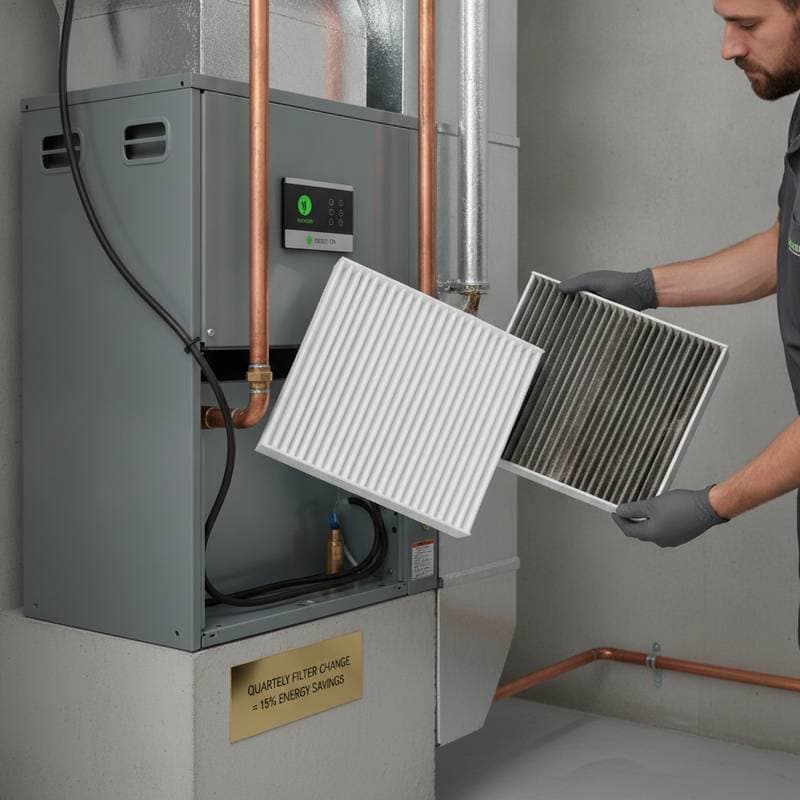
Unobstructed airflow eases motor operation, directly cutting electricity usage. Homeowners report savings of 5 to 15 percent on heating bills with routine filter care.
Odor Control Capabilities
Specialized filters incorporating carbon absorb volatile compounds from sources like cooking or tobacco. They complement ventilation strategies for fresher air.
Handle Non-Standard Slots
Measure irregularities and source custom-cut filters from suppliers. Flexible frames adapt to odd shapes while ensuring airtight seals.
Balance MERV Ratings
Elevated ratings enhance capture but risk straining older systems. Consult your unit's manual for the advised range, often 8 to 13 for residential use.
Implement Effective Filter Maintenance
Routine filter attention forms the foundation of HVAC longevity and indoor wellness. Pair replacements with duct cleaning or thermostat calibration for comprehensive care. These efforts yield lower utility costs, superior air circulation, and a more comfortable living space year-round.