Boost Air Quality: Optimal Timing for Fall HVAC Filter Changes
Clean indoor air requires more than ventilation or scents. Your HVAC filter plays a central role in maintaining air quality. As fall brings cooler temperatures and falling leaves, outdoor particles enter homes more readily. A timely filter replacement during this season protects health and efficiency.
The Importance of Fall Filter Timing
HVAC systems transition from cooling to heating in fall. This shift draws in dust, pollen, and debris that accumulate quickly on filters. A clogged filter restricts airflow, forces the system to work harder, and allows pollutants to circulate. Proper timing prevents these issues and supports energy savings.
Studies indicate that well-maintained filters capture up to 90 percent of airborne particles. Neglecting a fall replacement reduces this capture rate significantly. Residents may notice more dust buildup, worsened allergies, and unexpected increases in utility costs as a result.
Indicators That Your Filter Requires Replacement
Regular checks help avoid surprises. Consider these common signals:
- Reduced airflow from vents despite the system operating normally.
- Dust reappearing on furniture and surfaces shortly after cleaning.
- Heightened allergy reactions, including sneezing, coughing, or irritated eyes.
- Higher energy bills without changes in usage patterns.
- Filters appearing gray, black, or otherwise soiled upon inspection.
Address these promptly. Even if the standard interval has not passed, replace the filter to restore performance.
Detailed Guide to Fall Filter Replacement
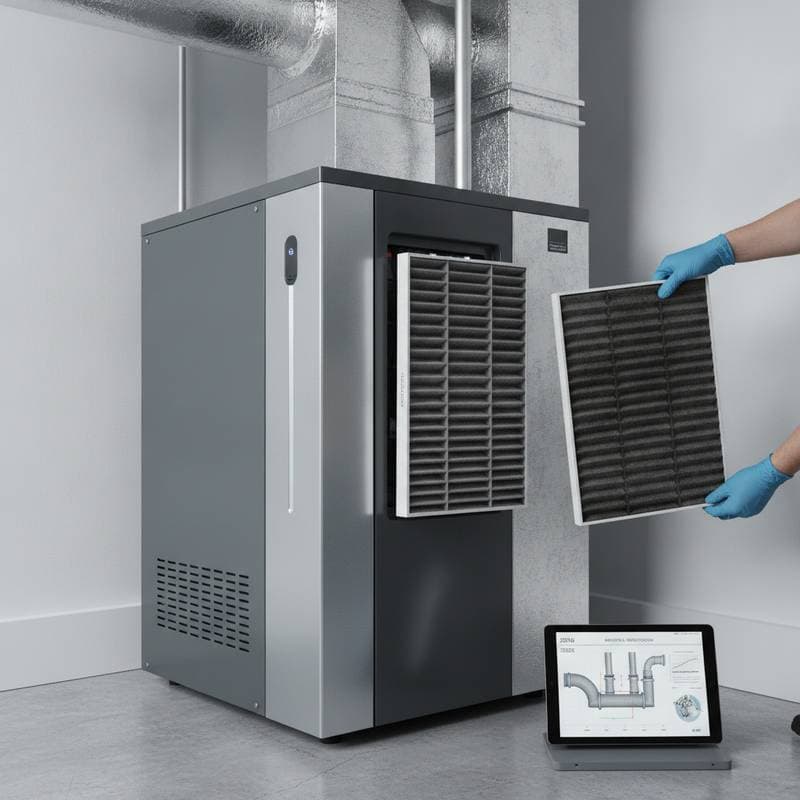
Prepare your HVAC system for winter with this straightforward process. Gather tools like gloves and a new filter beforehand.
- Switch off the HVAC system at the thermostat to ensure safety.
- Identify the filter compartment, typically located in the return air duct or near the furnace.
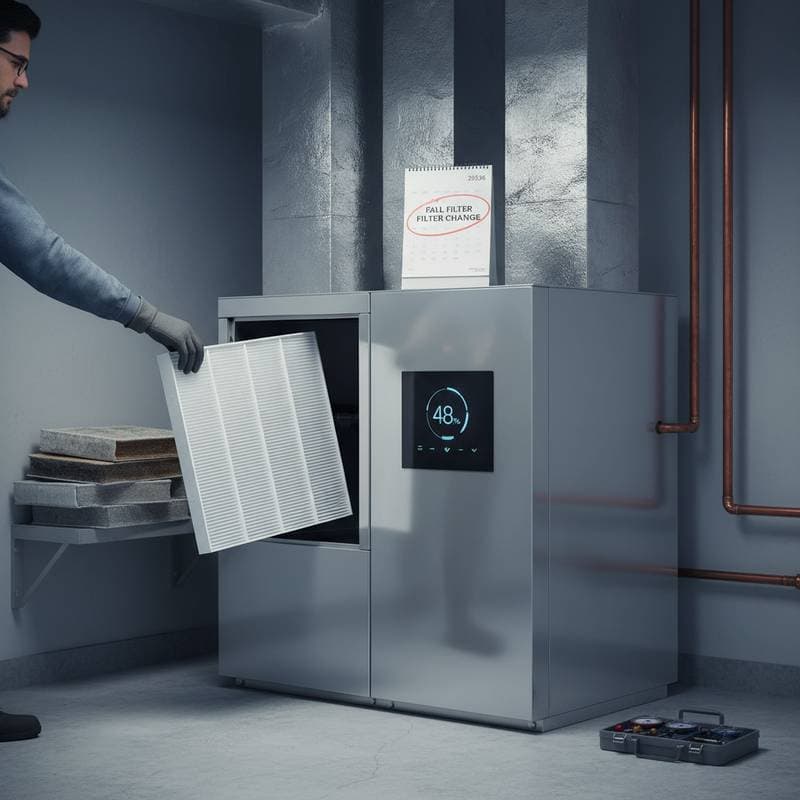
- Slide out the old filter gently, holding it to minimize dust dispersal.
- Note the dimensions printed on the filter frame to select the correct replacement size.
- Position the new filter so the airflow arrows point toward the blower or furnace.
- Secure the filter in place and reactivate the system.
Verify success by placing a tissue near a vent. Steady movement confirms adequate airflow. This simple maintenance task takes under 15 minutes and yields immediate benefits.
Establishing a Reliable Replacement Schedule
Change filters every two to three months in most households. Those with pets, smokers, or allergy sufferers should inspect monthly. Set calendar alerts or place a visible reminder by the thermostat for consistency.
Align replacements with seasons for optimal results:
- Winter: Install a new filter at the start to handle dry indoor air.
- Spring: Refresh before blooming plants release pollen.
- Summer: Mid-season check addresses accumulated dust from open windows.
- Fall: Prioritize before heating season to manage leaf debris and allergens.
Compare filter options to choose wisely. The table below outlines key differences:
| Filter Type | Lifespan | Cost per Unit | Particle Capture Efficiency | Best For |
|---|---|---|---|---|
| Fiberglass | 1 month | Low ($5-10) | Basic (dust, lint) | Budget homes with low allergens |
| Pleated | 2-3 months | Moderate ($10-20) | High (pollen, pet dander) | Families with allergies |
| Electrostatic | 3-6 months | Higher ($20-40) | Very high (fine particles, smoke) | Homes with asthma or pets |
Select based on your home's needs and budget. Higher-efficiency filters justify the investment through better air quality and system protection.
Essential Safety and Ongoing Maintenance Practices
Wear gloves during replacement to shield hands from irritants. Dispose of old filters properly; never attempt to clean or reuse disposables. Ensure furniture and rugs do not block vents, as this compounds airflow problems.
Inspect for moisture if filters show signs of dampness or mold growth. Such conditions signal potential duct leaks requiring professional attention. Regular vacuuming of registers complements filter changes for comprehensive care.
Achieve Lasting Efficiency with Seasonal Habits
Consistent filter maintenance enhances air purity, reduces energy consumption by up to 15 percent, and prolongs HVAC lifespan. Homeowners following a fall routine report fewer service calls and healthier environments. Implement these steps now for a comfortable transition into cooler weather.