Introduction to EPA Filter Standards
The Environmental Protection Agency has introduced guidelines that reshape indoor air quality management for property owners. These revised standards target greater energy efficiency, fewer airborne contaminants, and stricter HVAC operation limits. Homeowners and facility managers must update maintenance routines, budgets, and schedules to achieve compliance while optimizing performance.
Core Changes in HVAC Filter Requirements
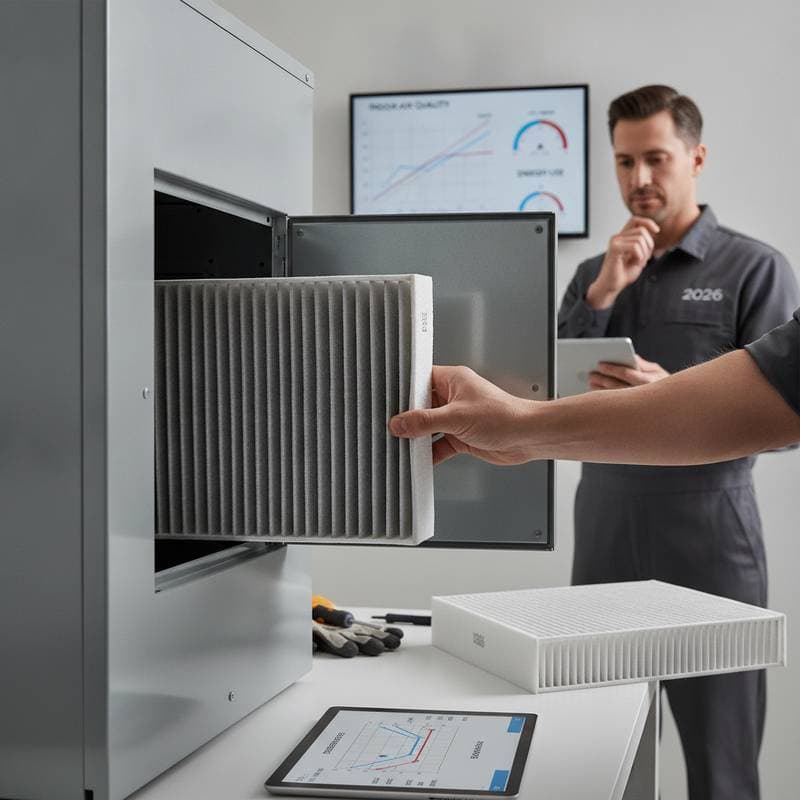
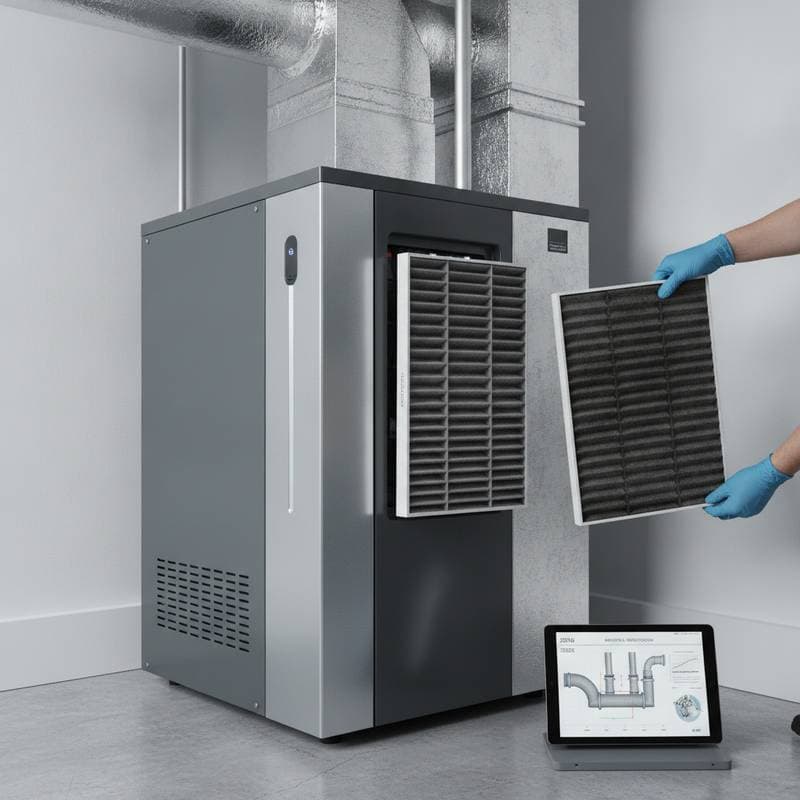
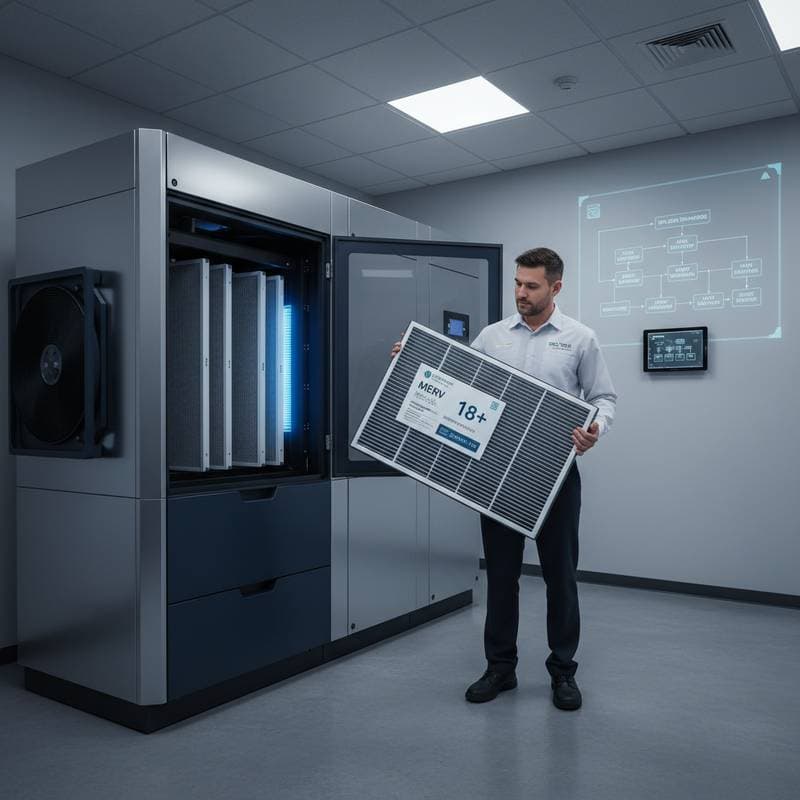
The EPAs updates prioritize superior filtration to capture fine particles like dust, allergens, and pollutants. Filters must now attain higher minimum efficiency reporting values, or MERV ratings, to trap smaller contaminants effectively. Many current filters fall short of these benchmarks.
Denser filter materials boost capture rates but increase resistance, potentially stressing HVAC fans if maintenance lags. The rules promote filters that balance filtration strength with system demands to avoid excess energy draw. The American Society of Heating, Refrigerating and Air-Conditioning Engineers notes that success hinges on integrating design, filter choice, and upkeep schedules.
Basics of HVAC Filter Costs
EPA-compliant filters will cost more due to enhanced materials and testing. Residential units now range from $20 to $50 each, varying by size and MERV level. Commercial filters for hospitals or large buildings cost $80 to $250 per unit.
Prices differ by region; urban coastal areas face higher rates from labor and shipping. Midwest locations benefit from lower overhead and logistics. Demand peaks in heating or cooling seasons, while supply chain issues and material costs may cause short-term hikes before prices settle.
Common Pricing Structures for Maintenance
HVAC services use varied models to fit different needs.
- Hourly Billing: Rates of $80 to $130 per hour cover filter swaps and inspections, ideal for isolated tasks.
- Flat-Rate Visits: Residential services run $120 to $220, including replacement, checks, and airflow tests.
- Per-Unit Charges: Commercial setups bill $60 to $120 per air handler, excluding filters.
- Subscription Plans: Annual contracts, now vital for compliance, cost $250 to $450 for homes and thousands for businesses, handling replacements, cleaning, and reports.
Service Levels and Associated Costs
Tiers match service depth to requirements.
- Basic Tier: Filter change and airflow verification, $60 to $110 per session.
- Standard Tier: Includes coil cleaning and pressure tests, $170 to $320.
- Premium Tier: Features diagnostics, efficiency adjustments, and air monitoring, from $450 upward.
- Custom Tier: For labs or clinics, with HEPA integration and protocols, over $2,200 per round.
These options align plans with compliance, budgets, and facility demands.
Factors Driving Filter and Maintenance Expenses
Compliance costs vary based on key elements.
- Project Scale: Extensive systems demand multiple filters and extended labor, escalating totals in tall buildings or factories.
- System Age: Retrofitting old units for high-MERV filters may require fan or duct upgrades to preserve flow.
- Labor Duration: Intricate work or emergencies inflate rates.
- Supply Needs: Advanced filters and tools raise material fees.
- Regulatory Documentation: Certification adds $50 to $200, particularly with external audits.
Optional Services for Enhanced Compliance
Providers offer extras to support the new rules.
- Air Testing: Verifies filtration efficacy, $120 to $350.
- Duct Work: Seals leaks to maximize filter impact, $350 to $900 per system.
- Flow Balancing: Optimizes zone distribution, $120 to $280.
- Rush Options: Priority access adds 20 to 30 percent to base fees.
Such services improve efficiency and aid record-keeping for audits and warranties.
Updating Schedules Under New Standards
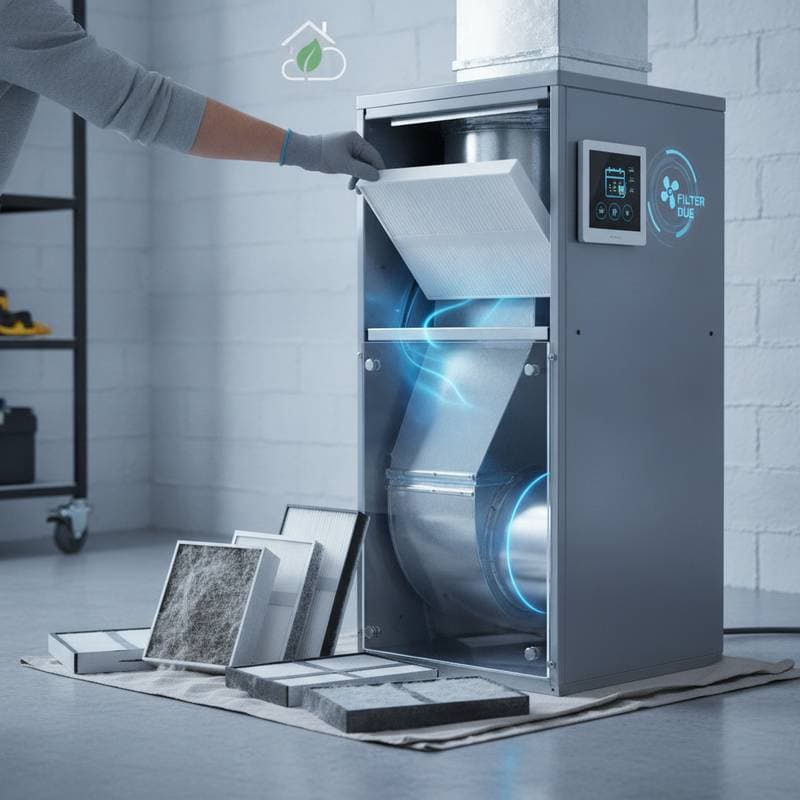
Fixed six-month cycles give way to data-driven timing. High-efficiency filters clog quicker in dusty settings, while synthetics last longer in pristine ones. Monitor via pressure gauges and airflow metrics.
Smart devices from Honeywell or Trane notify when filters near limits. The EPA advocates predictive strategies, using real-time data to set intervals, cut waste, and prolong equipment life.
Gains from Adopting the Standards
Compliance yields financial and ecological rewards. Better airflow slashes energy use by 10 to 15 percent, recouping filter expenses over time. Enhanced air cuts allergens and germs, dropping complaints by 20 percent per the Indoor Air Quality Association.
Environmentally, reduced emissions aid urban air goals. Filters follow eco-friendly disposal rules, fostering sustainable practices.
Choosing Compliant Filters
Selection demands attention to fit and function.
- MERV Level: 11 to 13 suits homes; 14 to 16 for commercial use.
- Filter Media: Pleated synthetics balance capture and flow; avoid basic fiberglass.
- Equipment Fit: Test blower capacity against resistance.
- Vendor Assurance: Seek EPA-verified specs and tests.
Consult technicians for tailored recommendations.
Building an Effective Maintenance Strategy
Create a plan that integrates rules seamlessly.
- System Review: Assess compatibility for upgrades.
- Contract Refresh: Include compliant elements in agreements.
- Record Keeping: Log changes with apps or sensors.
- Fund Allocation: Prepare for modifications.
- Staff Training: Equip teams to spot issues early.
Steps to Implement Compliance Now
Early action under EPA rules secures cleaner air, efficiency, and adherence. From homes to offices, tailored schedules build resilience. Commit to monitoring tools, quality filters, and expert support for sustained benefits. This foundation ensures optimal air, lower bills, and regulatory confidence moving forward.