Maximize Savings: Essential AC Maintenance Before Summer
A properly maintained air conditioner delivers consistent comfort, reduces energy consumption, and avoids major breakdowns. As warmer weather nears, dedicating time to preventive care can prevent repair expenses that reach hundreds of dollars. Homeowners who delay checks until heatwaves often face system failures at the worst possible moment. Proactive steps ensure dependable cooling throughout the season.
Benefits of Early AC Maintenance
Air conditioners accumulate dust, pollen, and debris with each cycle. Without regular cleaning and inspection, components wear prematurely, airflow diminishes, and overall efficiency declines. The system then demands more energy and degrades faster. Routine maintenance prolongs unit lifespan and maintains optimal operation. Data from Energy.gov indicates that basic tune-ups can increase efficiency by as much as 15 percent, leading to meaningful reductions in monthly energy costs.
Scheduling maintenance before summer also secures preferred appointment times with service providers. High temperatures bring a surge in urgent requests, resulting in extended delays and higher fees. Early action positions you ahead of the rush.
Key AC Maintenance Checklist
Homeowners can perform fundamental tasks using basic tools and methodical care. Follow this checklist for effective preparation.
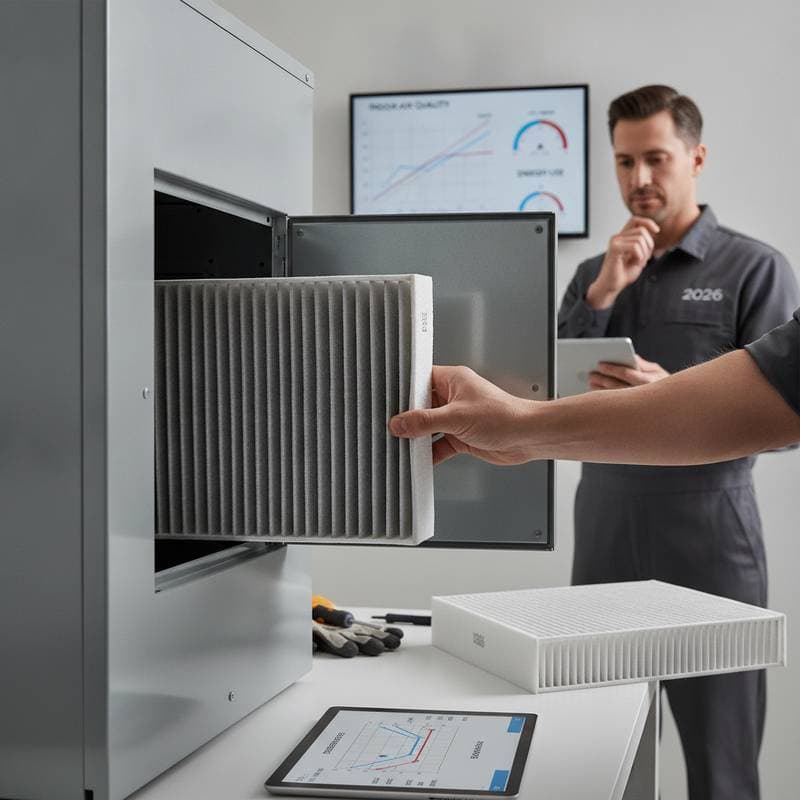
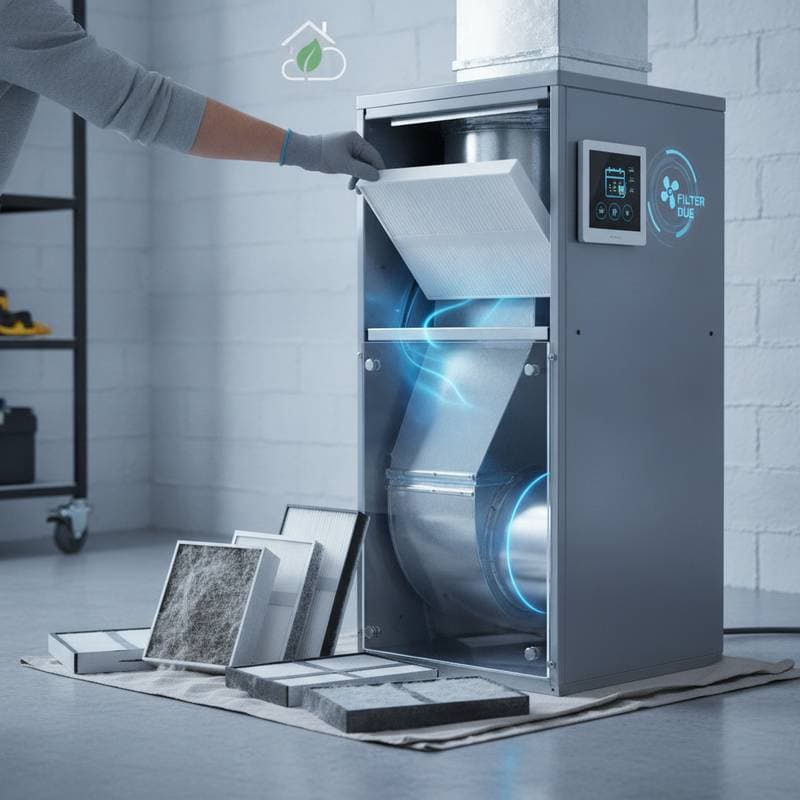
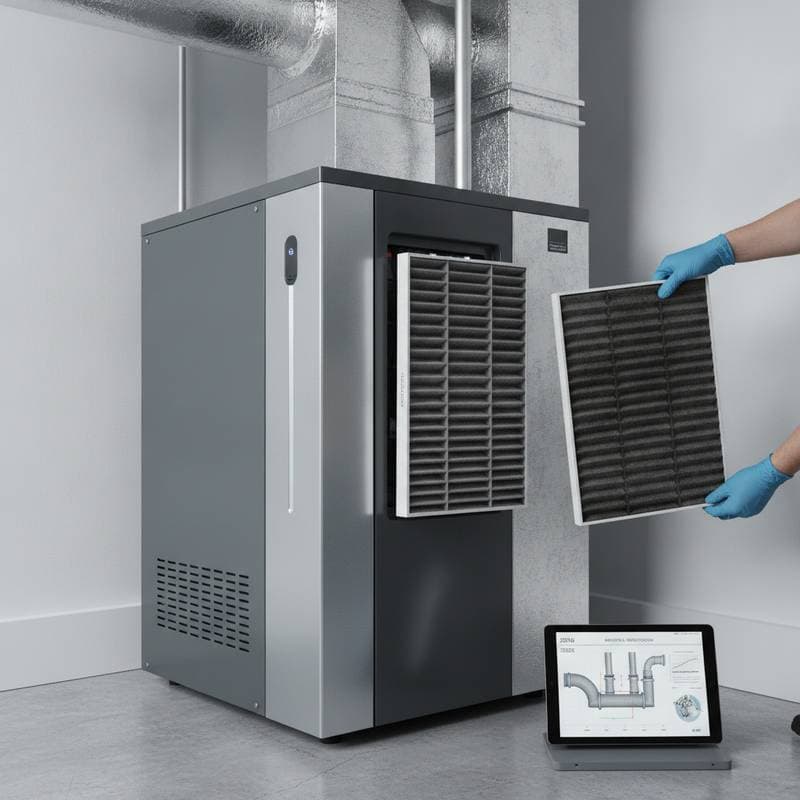
1. Replace or Clean Air Filters
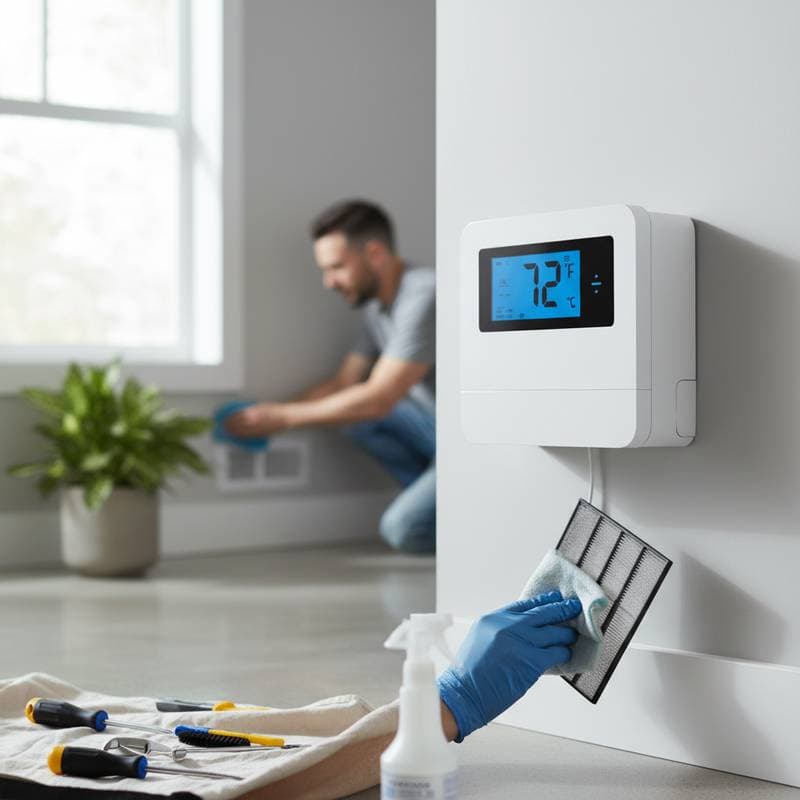
Clogged filters impede airflow, lower efficiency, and overburden the blower motor. Exchange disposable filters or rinse reusable ones every one to three months, based on dust accumulation and home occupancy. Standard filters range from ten to thirty dollars, while advanced high-efficiency options cost up to fifty dollars and enhance indoor air quality.
2. Clean Condenser Coils
The exterior unit's coils expel heat absorbed from indoors. Dirt, leaves, or debris hinder effective heat transfer. Shut off power at the disconnect, remove the access panel, and rinse coils with a garden hose at low pressure to avoid damaging fins. Apply a specialized coil cleaner spray, priced around ten dollars at hardware stores, to dissolve stubborn buildup.
3. Straighten Coil Fins
Damaged fins obstruct airflow in the condenser. Employ a fin comb, costing less than fifteen dollars, to gently realign them. This restoration promotes better circulation and superior cooling performance.
4. Clear the Condensate Drain Line
Obstructions in the drain line lead to indoor water leaks and elevated humidity. Find the PVC pipe adjacent to the indoor unit and flush it with a cup of white vinegar followed by warm water. Alternatively, use a wet-dry vacuum to extract clogs from the exterior outlet. Regular clearing inhibits mold development and structural damage.
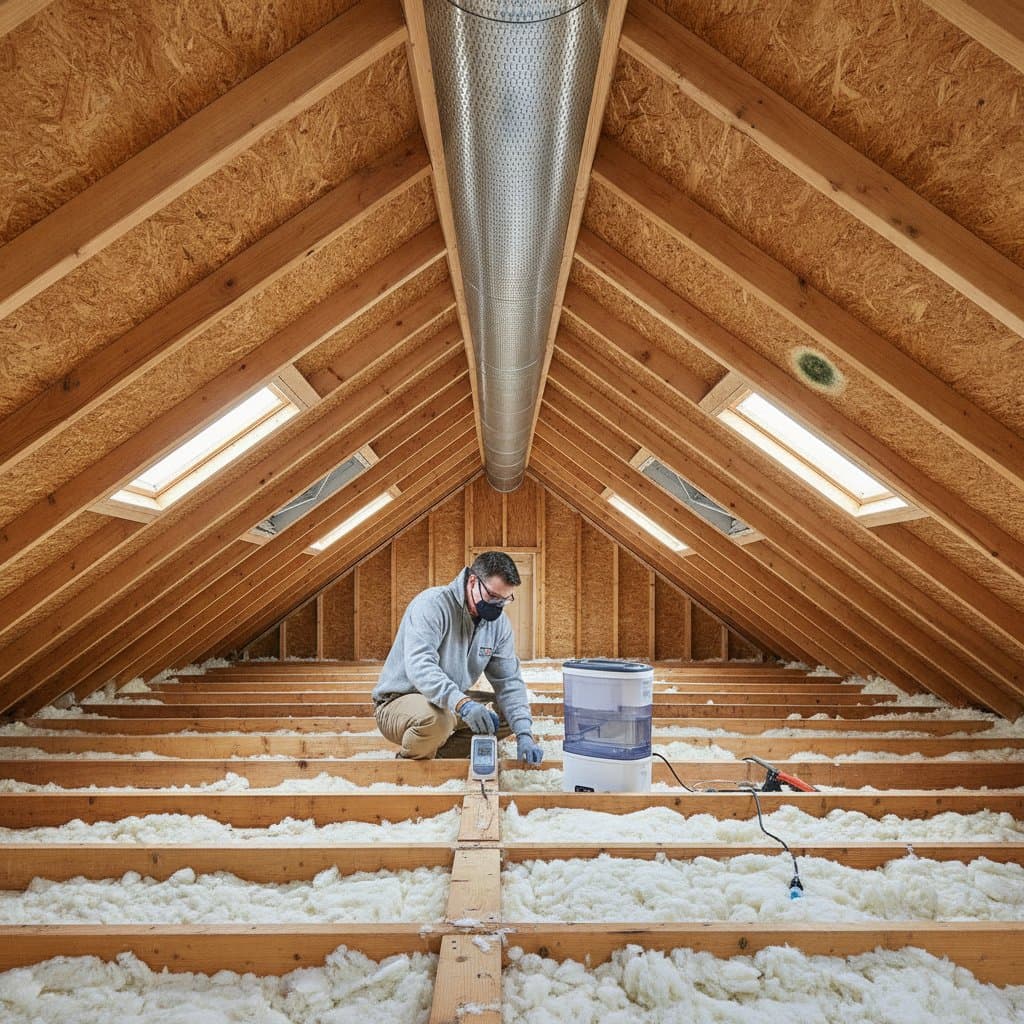
5. Examine Ductwork
Leaking ducts squander up to 30 percent of conditioned air before it arrives in living spaces. Inspect for detached joints, gaps, or perforations, particularly at connections. Apply foil tape or duct mastic to seal minor breaches. For extensive or concealed systems, professional assessments identify inefficiencies precisely. Sealing an entire home duct network costs three hundred to one thousand dollars, with enduring energy savings justifying the expense.
6. Verify Thermostat Functionality
Programmable or smart thermostats optimize cooling schedules. Confirm accuracy by cross-checking against an independent thermometer. Recalibrate or replace if discrepancies appear. Intelligent models automate adjustments during absences, potentially cutting annual cooling expenses by up to ten percent.
7. Secure Electrical Connections
Loose wiring generates voltage instability, harming motors and compressors. With power disabled, examine accessible connections for deterioration or corrosion. Summon a licensed technician for frayed insulation or scorch marks. Electrical tasks demand specialized equipment and safety protocols.
8. Lubricate Moving Components
Certain older units require oil for motor bearings to minimize friction. Add a few drops of recommended lubricant as specified in the manual. Contemporary sealed systems eliminate this need, so consult documentation before proceeding.
Indicators for Professional Service
Basic tasks suit most homeowners, yet comprehensive diagnostics require expert intervention. Technicians conduct thorough reviews, including refrigerant assessments, pressure evaluations, and motor diagnostics. Insufficient refrigerant often signals leaks that escalate without attention. Certified professionals repair and recharge systems in compliance with standards.
Professional tune-ups range from one hundred to two hundred dollars, encompassing cleaning, testing, and minor corrections. Compared to compressor replacements exceeding two thousand dollars, this preventive measure proves economical.
Recognizing Early Warning Signs
Monitor system performance for subtle shifts to avert severe issues.
-
Warm air from vents suggests low refrigerant or soiled coils.
-
Weak airflow indicates clogged filters or obstructed ducts.
-
Unusual sounds like grinding or buzzing reveal loose elements or motor faults.
-
Odd odors may stem from duct mold or electrical burning.
-
Short cycling points to thermostat errors or improper refrigerant levels.
Address these promptly through service to contain costs.
Quantifying Maintenance Savings
Consistent upkeep lowers energy use and repair incidents. HVAC research demonstrates that maintained systems last up to 40 percent longer than neglected counterparts. This durability delays replacement needs and sustains reliability. Expect annual summer savings of one hundred to three hundred dollars through diligent care.
Providers such as One Hour Heating & Air Conditioning report reduced emergency demands from proactive clients. Such reliability fosters confidence and budget stability.
Safety Precautions for Maintenance
AC units involve electrical and mechanical risks demanding vigilance. Disconnect power prior to any internal work. Use gloves to handle sharp edges on filters or fins. Direct water clear of wiring, and refrain from tampering with refrigerant circuits absent certification. Consult professionals for uncertain procedures.
Strategies to Prolong AC Lifespan
Supplement inspections with daily practices for enhanced durability. Close blinds during peak sun to lessen heat gain indoors. Operate ceiling fans to circulate air, permitting higher thermostat settings while preserving comfort. Maintain two feet of clearance around the outdoor unit by pruning nearby plants, supporting unobstructed ventilation.
Install a dedicated surge protector for the HVAC system to shield against power spikes. These devices, around one hundred dollars, safeguard compressors and controls from storm-related harm.
Practical Advice for Effective Upkeep
Establish spring reminders via calendar or app for timely tasks. Assemble a kit including spare filters, cleaner, fin comb, and flashlight. Document completion dates for each activity to monitor trends and spot patterns.
In humid climates, inspect the condensate pan regularly for pooled water, which fosters mold in the air handler. A float switch installation halts operation if levels rise, adding security.
Opt for annual maintenance contracts from local HVAC firms if preferring expert handling. These packages provide twice-yearly visits, expedited service, and part discounts for one hundred to three hundred dollars yearly, guaranteeing ongoing attention.
Securing Long-Term Comfort and Efficiency
Investing time in preventive measures distinguishes seamless summer cooling from disruptive failures. Routine care minimizes energy demands, eases component stress, and extends air conditioner longevity. Perform essentials independently or enlist professionals; the initiative yields comfort and financial advantages.
Integrate AC maintenance into seasonal habits to preserve your system. This approach curbs repairs, trims bills, and delivers consistent operation amid rising temperatures.