Summer AC Preparation: A Checklist for Efficient Cooling
High temperatures demand reliable cooling from your air conditioner. However, many homeowners delay system servicing until problems arise. Early preparation reduces costs, avoids malfunctions, and maintains steady home comfort throughout the season. This guide provides a comprehensive checklist to ensure optimal performance and decreased energy expenses.
Detailed AC Maintenance Checklist
Complete these steps before peak heat arrives. Each action supports dependable operation and efficiency.
-
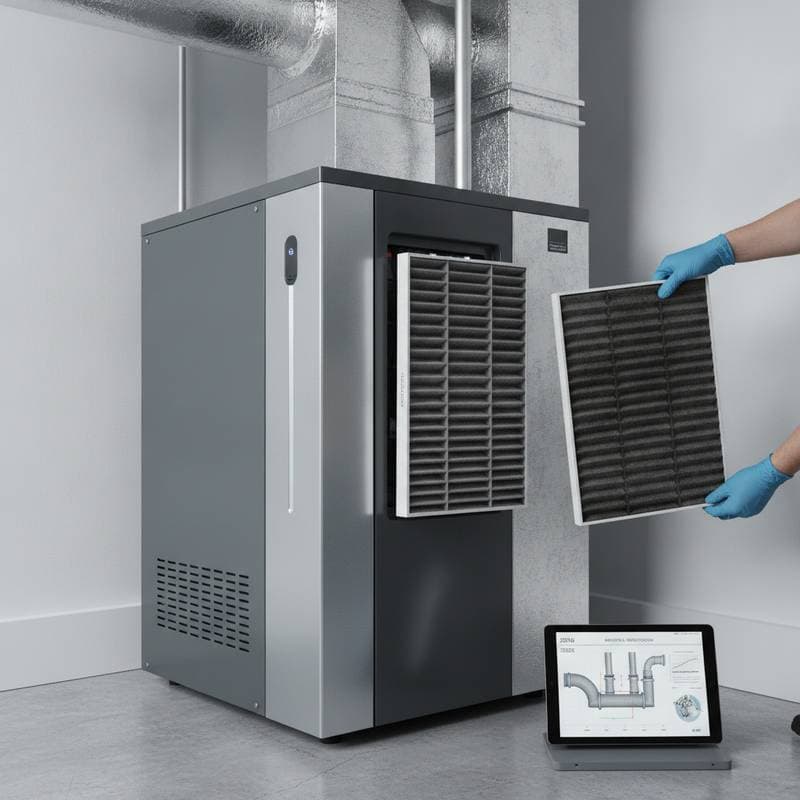
Inspect and replace air filters
Clogged filters impede airflow and overburden the fan motor. Examine filters every few weeks during intense usage periods. Replace disposable filters or clean reusable ones using mild soap and water. Select filters with a high MERV rating to capture more particles effectively. -
Clean indoor vents and registers
Accumulated dust and debris limit airflow. Detach vent covers, vacuum the interiors, and wipe surfaces with a damp cloth. Ensure that furniture or curtains do not obstruct the vents. -
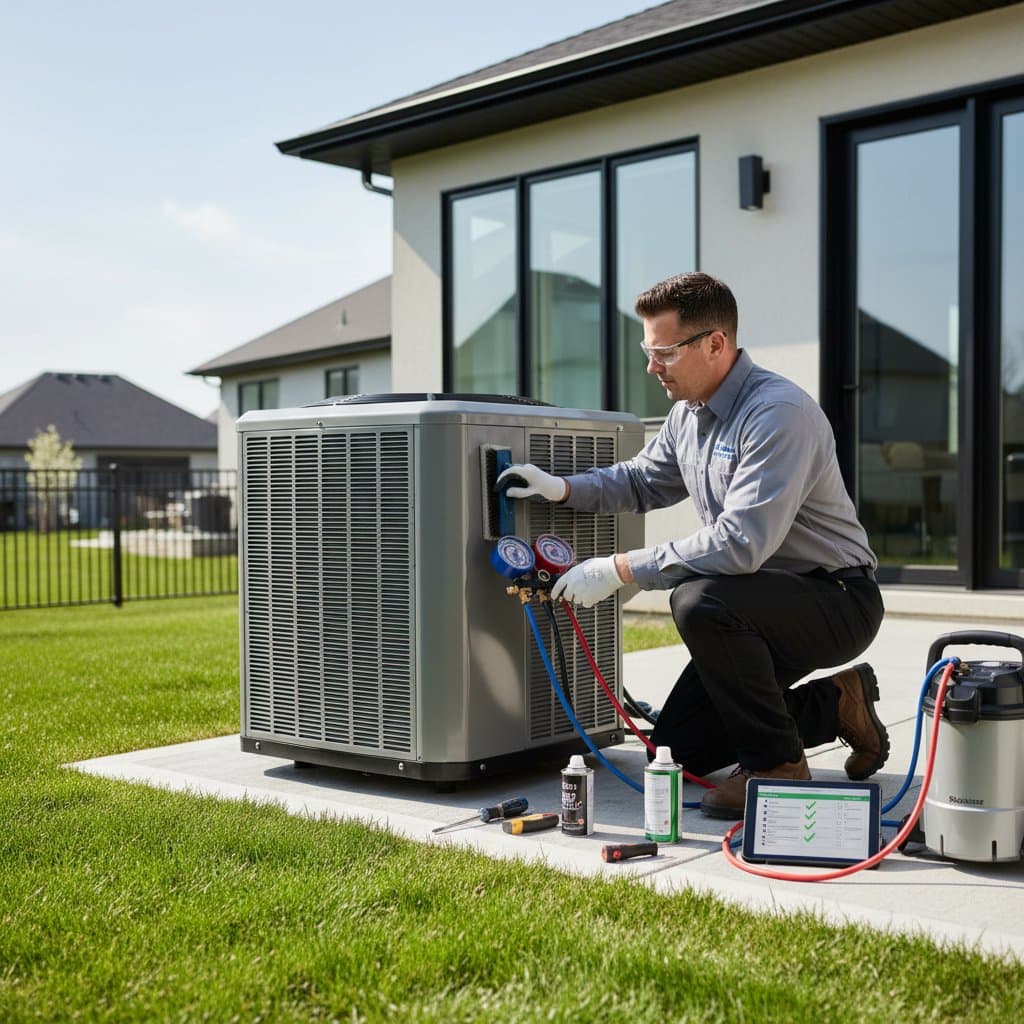
Examine the outdoor condenser unit
The condenser requires clear space to dissipate heat. Remove leaves, grass clippings, or branches surrounding the unit. Rinse dirt from the fins using a garden hose. Refrain from using pressure washers, as they may damage the delicate metal fins. -
Verify thermostat settings
Test the thermostat to ensure seamless transitions between cooling and heating modes. Upgrade to a programmable or smart thermostat for precise adjustments aligned with daily routines. -
Inspect wiring and connections
Loose or corroded wires risk electrical shorts. Disconnect power before handling any components. Secure connections with care and contact a technician for frayed wiring. -
Clean the evaporator coil
The evaporator coil draws heat from indoor air. Surface dirt diminishes its effectiveness. Access the panel, brush away dust, and apply coil cleaner according to manufacturer guidelines. -
Check the condensate drain line
Obstructions in the drain lead to water leaks or mold development. Flush the line with a solution of water and vinegar. Inspect for moisture near the indoor unit, which indicates blockages. -
Test fan blades and motor
Manually rotate fan blades to confirm free movement. Apply lubricant to bearings if the unit design permits. Monitor for unusual grinding or squealing during operation. -
Evaluate insulation on refrigerant lines
Insulation maintains stable refrigerant temperatures and prevents energy loss. Repair or replace any cracked or absent foam sections. -
Arrange a professional inspection
Professional service verifies refrigerant levels, detects duct leaks, and fine-tunes components. Schedule this even after personal maintenance efforts.
Indicators Requiring Additional Attention
Monitor for warning signs that demand prompt action. Warm air from vents, inconsistent room temperatures, or increased indoor humidity suggest airflow restrictions or low refrigerant. Unusual sounds like rattling or buzzing indicate loose components or motor degradation. A musty odor often points to mold in ducts or the drain pan. Early intervention averts costly repairs.
Supporting Visuals and Resources
Incorporate diagrams and images to simplify the process. A frequency-based chart for maintenance tasks aids in scheduling. Suggested visuals include:
- Photo of a cleaned outdoor condenser (alt text: clean outdoor AC condenser fins)
- Diagram of vent airflow (alt text: air path from supply vent to return duct)
- Chart of tune-up costs (alt text: comparison of average professional AC maintenance expenses)
These elements clarify steps for beginners and experienced users alike.
Homeowner Experiences with Routine Maintenance
Homeowners who adhere to annual tune-ups report reliable outcomes in community discussions. Systems operate more quietly, emergency services become rare, and utility bills remain stable. One individual observed a 30 percent reduction in cooling duration after consistent coil and vent maintenance. Another confirmed stable refrigerant levels following two summers of diligent care. These accounts demonstrate the value of proactive upkeep.
Sustaining Performance Through the Season
After initial preparation, monitor system function regularly. Raise the thermostat setting slightly when the home stands empty to conserve energy. Draw blinds during intense sunlight to minimize heat gain. Inspect vents monthly to maintain robust airflow. Brief weekly checks preserve efficiency and comfort.
Early action eliminates service delays during heat waves. The air conditioner operates with greater smoothness, endures longer, and provides unwavering cooling. Proactive care represents a practical approach to enhancing home environment and reducing expenses.