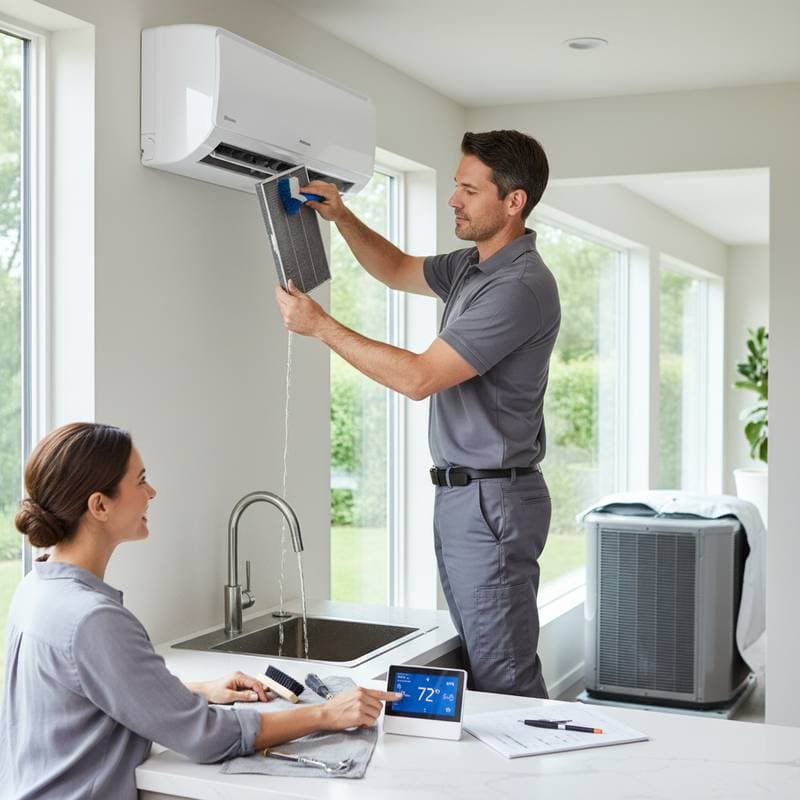
Prepare Your Air Conditioner Early to Prevent Summer Failures
Summer heat waves bring discomfort when an air conditioner fails. Preparation in advance avoids expensive repairs and ensures reliable cooling. Preventive maintenance extends equipment lifespan, minimizes energy consumption, and maintains indoor comfort during peak demand periods. Homeowners who perform regular checks often avoid the high costs of urgent service visits.
This guide details essential steps to ready your air conditioning system before temperatures rise. Basic tasks suit homeowner efforts, while complex inspections benefit from professional expertise. Proper preparation delivers noticeable improvements in performance and efficiency.
Essential Steps for Air Conditioner Preparation
Follow this sequence of actions to assess and maintain your system. Complete these tasks in early spring for optimal results. Address any issues promptly to safeguard summer operations.
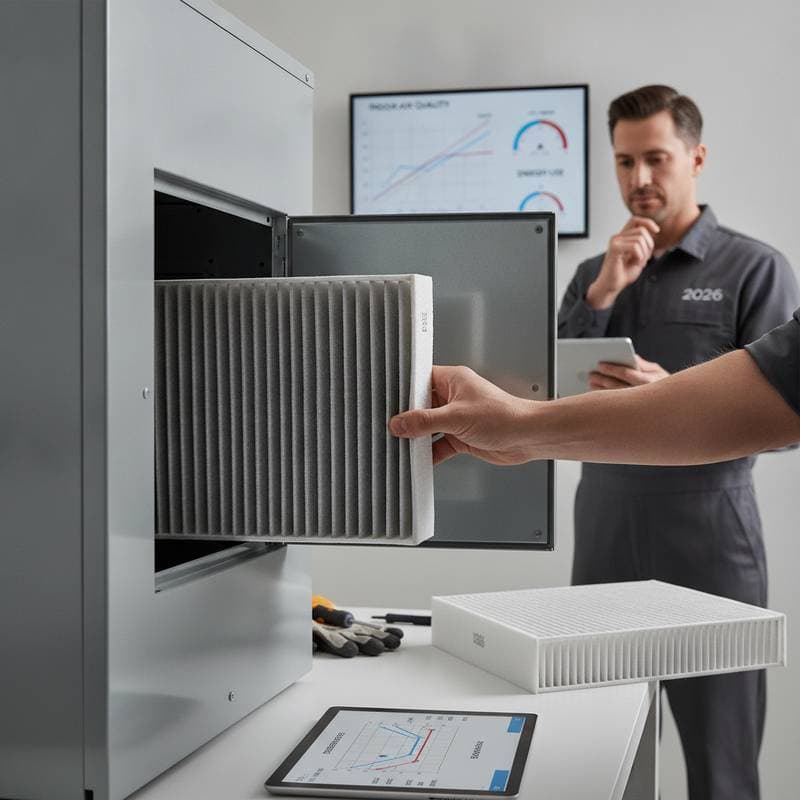
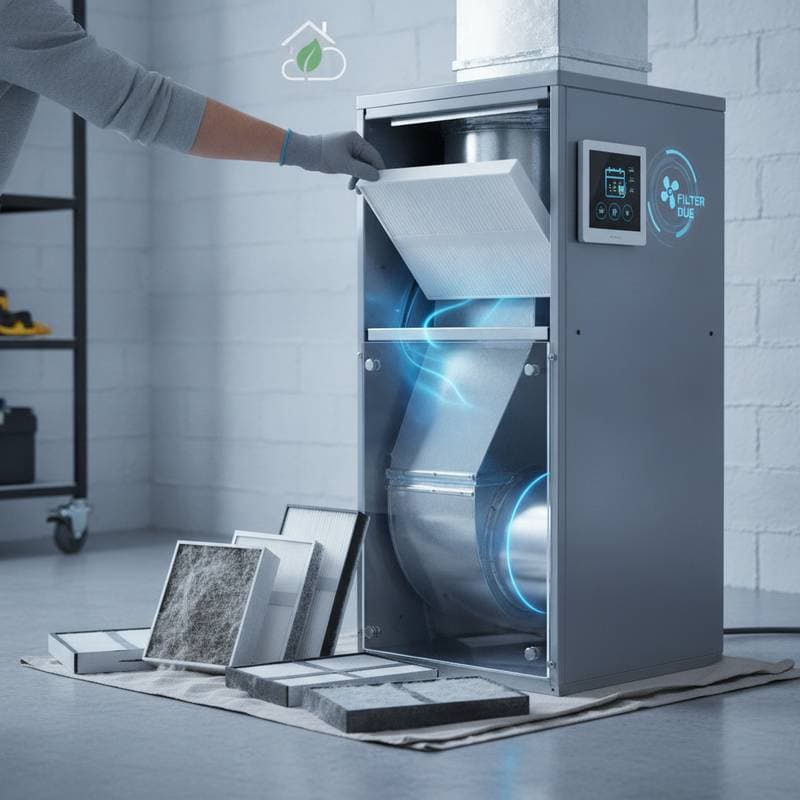
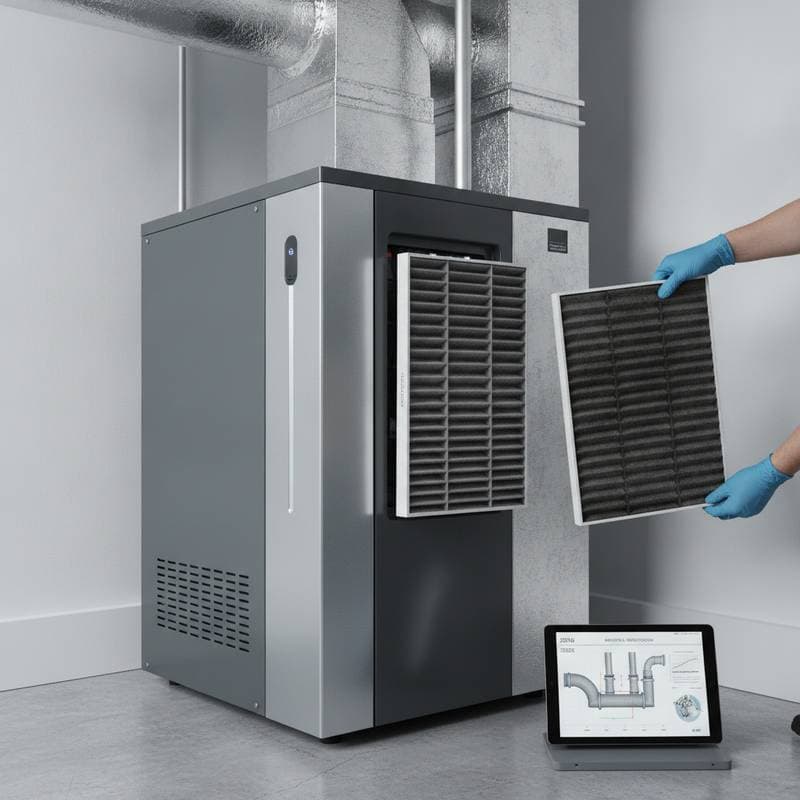
1. Clean or Replace Air Filters
Clogged filters impede airflow and strain the compressor. Exchange disposable filters monthly during active use, or wash reusable ones with mild soap and water. In homes with pets or high dust levels, inspect filters biweekly to sustain optimal performance.
2. Clear the Outdoor Condenser Unit
Debris around the condenser reduces heat dissipation efficiency. Remove leaves, grass clippings, and branches to create a two-foot clearance on all sides. Rinse coils with a low-pressure hose spray, avoiding high force that could damage delicate fins.
3. Examine the Evaporator Coil
Dust and mold on the indoor evaporator coil hinder heat absorption. Use a soft-bristle brush to dislodge surface particles, followed by a manufacturer-approved cleaner. If frost forms on the coil or water collects beneath the unit, contact a technician for a thorough evaluation.
4. Verify Thermostat Functionality
A malfunctioning thermostat leads to inconsistent temperatures. Test responsiveness by adjusting settings and observing air output changes. Upgrade to a programmable model that optimizes schedules, potentially lowering energy bills through automated adjustments during unoccupied hours.
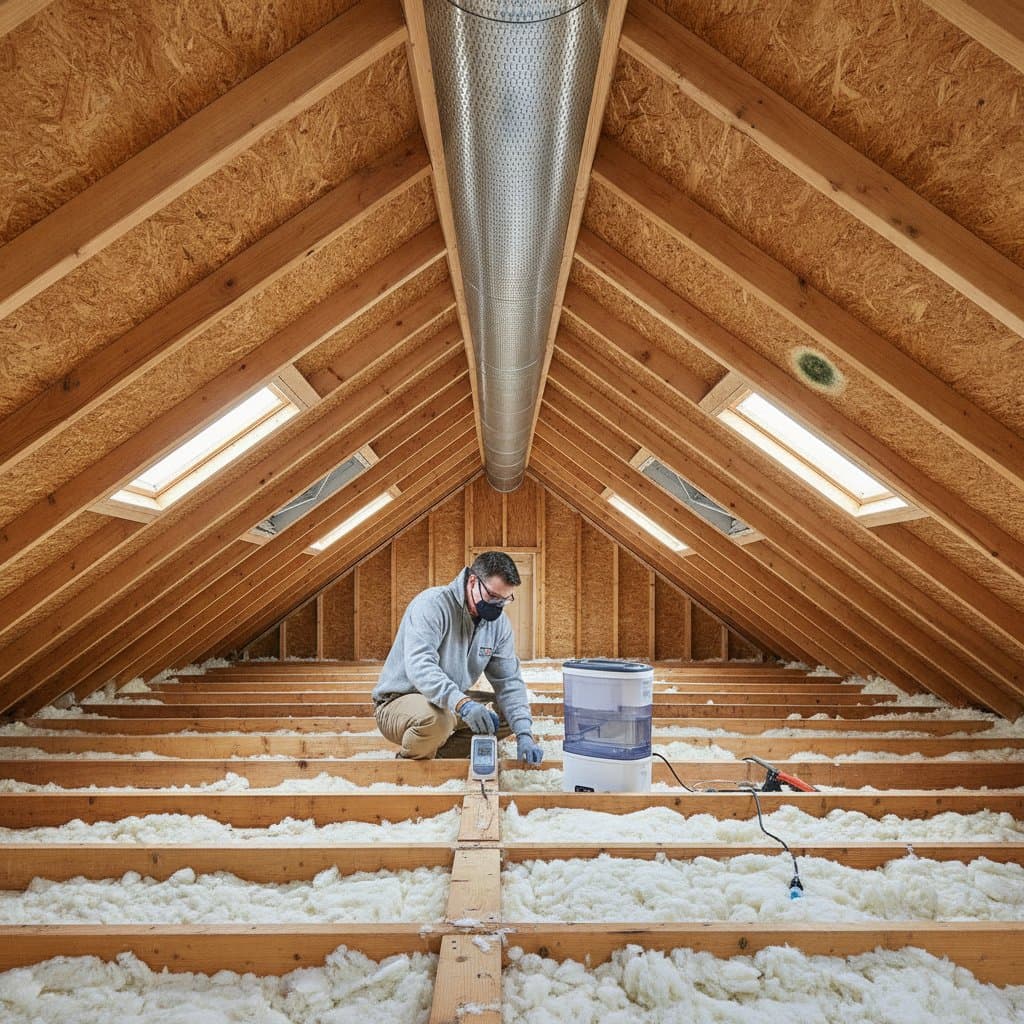
5. Assess Air Vents and Ductwork
Obstructions in vents cause imbalanced cooling and increased strain. Ensure all supply registers remain fully open and free of furniture blockages. Detect duct leaks through reduced airflow or audible whistles, then apply mastic sealant or foil tape for repairs.
6. Review Refrigerant Lines
Exposed or deteriorated lines result in refrigerant loss and inefficiency. Inspect copper tubing for corrosion, dents, or insulation gaps between indoor and outdoor components. Technicians must recharge systems or repair leaks to comply with environmental regulations.
7. Run a Full System Test
After completing inspections, activate the unit for 10 to 15 minutes. Monitor for smooth operation, even airflow from vents, and absence of odd sounds like grinding or hissing. Persistent vibrations or weak cooling indicate underlying problems requiring expert attention.
Financial and Efficiency Advantages
Investing in maintenance yields substantial returns through reduced operational costs. A standard professional service, typically priced between $75 and $200, prevents breakdowns that exceed $1,000 in repairs. Efficient systems consume less electricity, with well-maintained units achieving up to 15 percent better performance ratings.
Consider a household in a hot region facing $250 monthly cooling expenses. Proper upkeep could trim that figure by $37.50 per month, offsetting service fees within a single season and providing ongoing savings.
Choosing Between DIY and Professional Approaches
Homeowners weigh options based on skill level and system complexity. Both methods contribute to reliability when applied correctly.
DIY Tasks:
- Involve minimal tools and complete in under an hour
- Foster understanding of system components
- Suit routine items such as filter swaps and surface cleaning
Professional Services:
- Feature advanced tools for leak detection and electrical testing
- Uncover hidden issues like capacitor wear or motor imbalances
- Guarantee adherence to safety codes and warranty requirements
Combine strategies for comprehensive care. Perform accessible maintenance quarterly, and book annual professional visits to monitor critical elements.
Sustain System Reliability Through the Seasons
Air conditioners endure intensive use in demanding climates. Consistent attention preserves efficiency, enhances air quality by reducing allergens, and averts premature replacement. Set calendar alerts for seasonal reviews, including filter changes and debris removal.
Retain details for a certified HVAC specialist for swift resolution of anomalies. These practices secure uninterrupted cooling, protect financial resources, and promote a healthier living environment year after year.