Mini-Split AC Installation Costs: A Comprehensive Breakdown
Mini-split air conditioners offer targeted cooling solutions for homes without existing ductwork. These versatile systems allow precise temperature control in individual rooms, promoting energy efficiency and personalized comfort. Grasping the elements that determine installation costs empowers homeowners to budget effectively and select systems that deliver long-term value. This article details the primary cost influencers, potential additional expenses, and practical steps for a successful project.
Primary Factors Influencing Installation Costs
Multiple variables determine the overall expense of a mini-split system. Reviewing these components enables informed comparisons among contractor proposals and clarifies the allocation of funds between equipment and services.
-
System Capacity and Sizing
Proper sizing ensures effective cooling without overworking the unit. Capacity is rated in British Thermal Units (BTUs), with a typical single-zone unit for a 400-square-foot room requiring around 9,000 to 12,000 BTUs. Larger spaces or multi-room setups demand higher-capacity outdoor compressors, which increase material costs and installation duration. An undersized system strains performance, while an oversized one leads to inefficiency and higher energy consumption. -
Number of Zones and Configuration
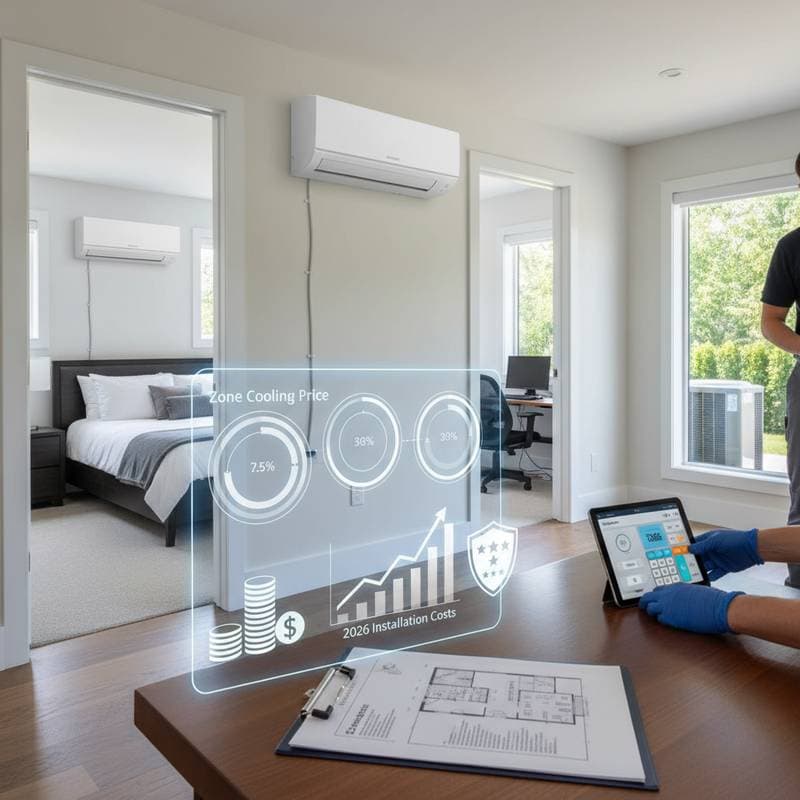
Each zone corresponds to an indoor air handler that connects to a single outdoor unit in multi-zone designs. A basic single-zone installation suits a single room and keeps costs lower, often ranging from $3,000 to $5,000 total. Expanding to three or four zones for whole-home coverage adds indoor units, refrigerant lines, and wiring, potentially elevating the price to $8,000 or more. Contractors assess layout to optimize zone placement and minimize line runs. -
Brand Quality and Energy Efficiency
Established brands like Mitsubishi or Daikin command premium prices due to superior build quality and reliability. Efficiency is quantified by the Seasonal Energy Efficiency Ratio (SEER), where models with SEER ratings above 20 outperform standard units with SEER 14. Higher-efficiency options involve advanced inverters and compressors that modulate output, reducing operational costs by up to 30 percent annually. In regions with incentives, such as federal tax credits under energy programs, these investments yield rebates that offset initial outlays. -
Installation Complexity and Site Conditions
The physical setup plays a significant role in labor demands. Factors include the distance between indoor and outdoor units, which may necessitate extended refrigerant lines up to 50 feet or more, and wall penetration requirements for mounting. Older homes might require structural reinforcements or accessibility modifications, such as installing through attics or over obstacles. Electrical compatibility is crucial; incompatible setups demand panel upgrades or dedicated circuits, adding $500 to $2,000 to the bill. -
Regional Labor Rates and Professional Fees
Installation costs fluctuate based on geographic location and local market dynamics. In high-cost metropolitan areas like New York or San Francisco, labor can reach $150 per hour, compared to $75 to $100 in rural Midwest regions. Quotes typically break down 40 to 60 percent for labor, with the balance covering equipment. Obtaining detailed, line-item bids from at least three providers reveals these variances and prevents overcharges.
Additional Expenses to Anticipate
Beyond core installation, unforeseen costs can arise during the process. Budgeting for these ensures financial preparedness and smoother execution.
- Electrical Modifications: Upgrading service panels or adding breakers if the existing system cannot support the mini-split's power needs, often costing $300 to $1,500.
- Structural Adjustments: Patching walls post-drilling or reinforcing surfaces for unit mounting, typically $200 to $800 depending on scope.
- Outdoor Unit Accessories: Brackets, vibration pads, or elevated stands to protect against weather or uneven terrain, ranging from $100 to $400.
- Drainage Solutions: Condensate pumps for units without natural drainage slopes, priced at $150 to $300 each.
- Post-Installation Services: Optional extended warranties or annual maintenance contracts, which safeguard against repairs and maintain peak efficiency.
Reputable contractors provide upfront disclosures of these potentials, allowing homeowners to prioritize essentials.
Selecting a Qualified Installer
The expertise of the installation team directly impacts system performance, safety, and warranty validity. Focus on contractors certified by organizations like NATE (North American Technician Excellence) who specialize in ductless technologies. Key inquiries include:
- Duration of experience with mini-split installations, ideally at least five years.
- Recommended brands based on local climate and home specifics, such as heat pump models for year-round use.
- Scope of services, confirming inclusion of electrical work, permitting, and code compliance.
- Availability of follow-up maintenance to monitor refrigerant levels and clean components.
Customer reviews on platforms like Angi or the Better Business Bureau offer insights into timeliness, cleanliness, and issue resolution. Experienced teams often complete projects in one to two days, minimizing disruption.
Navigating Safety and DIY Limitations
While routine upkeep like filter replacement and coil cleaning falls within homeowner capabilities, core installation tasks demand professional intervention. Refrigerant handling requires EPA certification to avoid environmental hazards and ensure proper charging. Electrical connections must adhere to National Electrical Code standards to prevent fire risks.
For those inclined toward involvement, preparatory actions include measuring unit locations, securing permits if needed, and removing nearby obstacles. These steps streamline the professional's workflow, potentially trimming labor hours by 10 to 20 percent.
Steps to Optimize Your Investment
To proceed confidently, solicit bids from vetted local experts, emphasizing comparable system specs for fair evaluation. Scrutinize warranties, which often span 10 years for compressors and five for parts. Investigate utility rebates or financing options for efficient models, which can reduce effective costs by 20 percent or more. Regular maintenance, such as biannual inspections, extends lifespan to 15 to 20 years while upholding efficiency. By addressing these aspects, homeowners achieve reliable cooling that enhances comfort and curbs energy expenses compared to less flexible central air systems.