What Homeowners Should Know About Microcement Costs in 2026
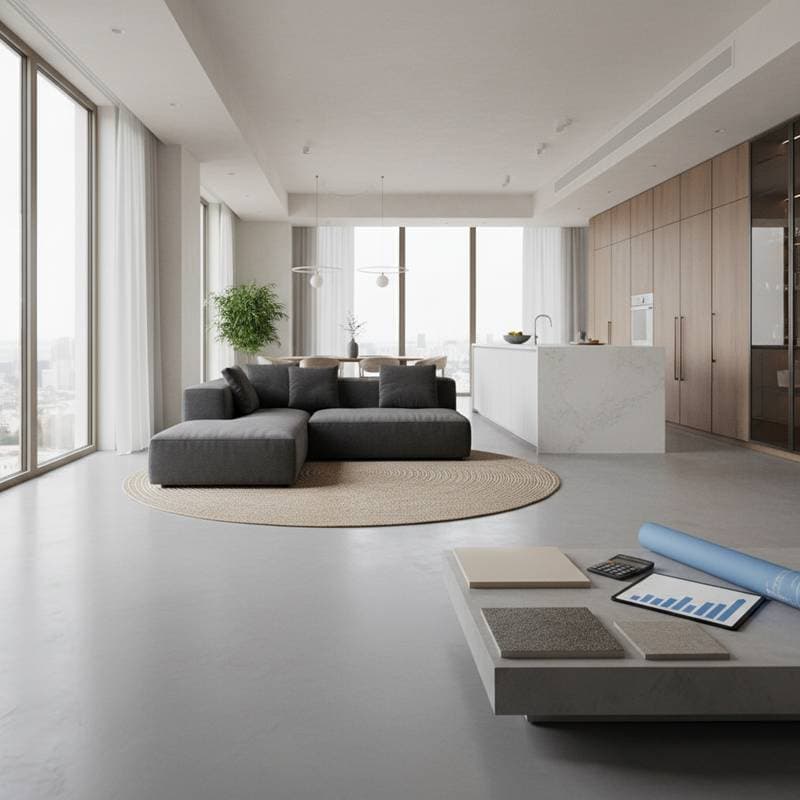
Microcement ranks among the top choices for modern interior finishes, prized for its seamless appearance, robust durability, and versatility across floors and walls. This material suits both industrial lofts and upscale residences with its minimalist elegance. Before launching a microcement project, grasp the genuine expenses tied to materials and installation. Such knowledge enables accurate budgeting and prevents surprises, whether you handle the work personally or engage specialists.
Understanding Microcement Costs
Microcement expenses fluctuate based on the project's scope, required surface preparation, and overall complexity. Homeowners typically face costs of $50 to $150 per square meter for professional installation, covering materials, labor, and finishing applications. Differences arise from the base surface type, selected finish, and extent of preparatory labor.
DIY Costs
Opting for self-application keeps expenses down, with materials ranging from $20 to $40 per square meter. Essential supplies encompass primer, base coats, pigments, sealers, and protective waxes. Acquire tools including trowels, rollers, and mixing gear as well.
Additional considerations include:
- Surface preparation equipment, such as sanders and grinders
- Safety equipment like gloves and respirators
- Personal time commitment, as the process involves applying multiple thin layers with intervals for drying
Self-application proves fulfilling for modest areas, yet it requires steady hands, meticulous attention, and a controlled, dust-free setting.
Professional Installation Costs
Engaging certified installers elevates the price, often to $80 to $150 per square meter for standard floors or walls, with premiums for intricate elements like stairs or counters. Fees account for thorough preparation, precise mixing, layered application, and final sealing.
Services provided by experts feature:
- Comprehensive substrate readying to eliminate crack risks
- Methodical layering and polishing for uniform texture
- Application of premium sealants to resist stains and moisture
The higher investment yields a superior, enduring outcome that avoids future corrections.
Factors That Affect Pricing
Multiple elements shape the total expenditure for microcement applications:
- Surface condition: Substrates with damage or irregularities demand prior fixes.
- Project scale: Extensive coverage frequently lowers the per-square-meter rate through efficiencies.
- Color options: Bespoke pigments or specialty finishes elevate charges.
- Application area: Preparations and sealants differ for floors, walls, or furnishings.
- Geographic factors: Regional labor costs and supply access impact totals.
- Sealing enhancements: Supplementary protective layers boost resilience at added expense.
Mastering these variables allows alignment of visual goals, service life, and financial limits.
DIY vs Professional: Making the Right Choice
The decision between self-directed work and expert involvement hinges on project dimensions and personal proficiency. Microcement achieves striking results with precise execution, though minor errors become permanent post-sealing.
DIY Approach
Benefits of self-application:
- Reduced initial outlay for compact zones
- Full authority over hues and surfaces
- Personal accomplishment from direct involvement
Drawbacks:
- Potential for irregular coatings, air pockets, or fissures
- Extended duration across phased steps
- Compromised longevity from flawed sealing
Reserve DIY methods for seasoned individuals tackling minor accents, not broad flooring.
Professional Installation
Benefits of expert services:
- Flawless, uniform results without defects
- Quicker completion using advanced equipment
- Proven durability from skilled execution
**Drawbacks:**n
- Elevated fees reflecting labor and knowledge
- Reduced adaptability for on-the-fly adjustments
Seek professionals for demanding zones like bathrooms or kitchens, where moisture barriers prove critical.
Safety and Time Considerations
Microcement poses no toxicity risks after curing, but installation generates fine particulates and potent sealants. Employ protective attire and maintain airflow throughout. Experts handle these substances with established protocols. Completion timelines vary: professionals finish a room in several days, whereas DIY efforts may span a week owing to interlayer curing.
Your Microcement Questions, Answered
Industry specialists address frequent inquiries below.
How long does microcement last?
With correct installation and sealing, microcement endures 15 to 20 years under routine care.
Is microcement waterproof?
Sealed surfaces resist water fully, fitting bathrooms, kitchens, and shielded exteriors.
Can microcement be applied over tiles?
Stable tiles accept it after leveling and priming for secure bonding.
What maintenance does microcement require?
Sweep regularly and mop with mild solutions. Steer clear of abrasives; opt for pH-balanced cleaners to safeguard the seal.
Can it crack over time?
Substrate shifts may cause small fissures. Mitigate with thorough prep and elastic bases.
Do I need a professional for small projects?
DIY kits suit counters or walls, yet expansive floors gain from expert input.
How do color choices affect cost?
Specialty shades or metallics raise expenses via unique additives and processes.
Is microcement slippery?
Matte or textured sealants provide solid traction; glossy variants increase slip potential.
Does microcement add height to floors?
Layers measure 2 to 3 millimeters, preserving level heights in upgrades.
Are there eco-friendly microcement options?
Solvent-free versions with low VOCs minimize ecological effects.
How to Decide: Your Step-by-Step Guide
1. Assess Your Space
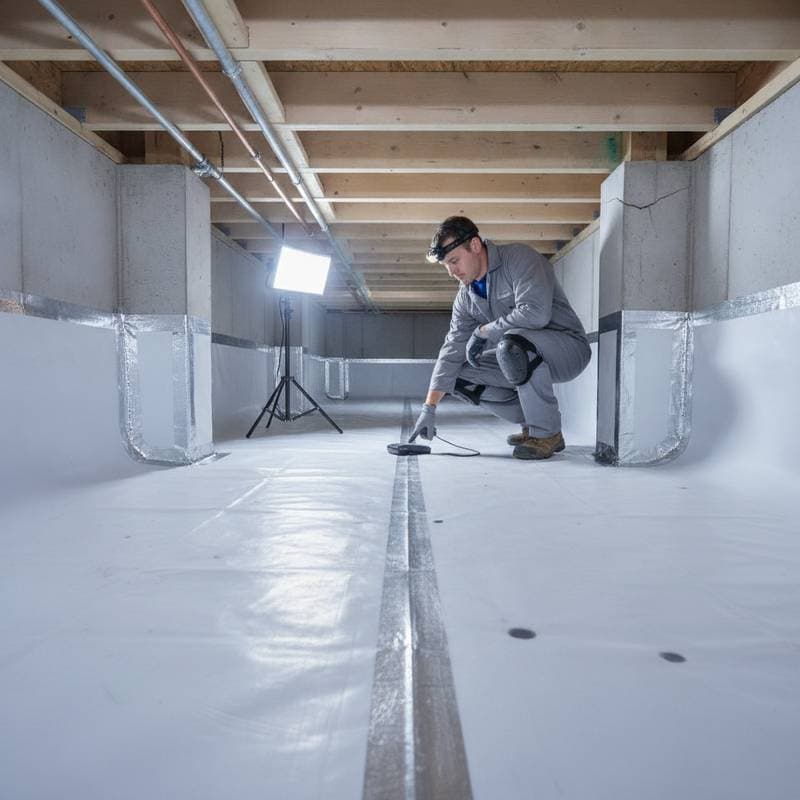
Examine existing surfaces for fractures, levelness, or dampness. Address issues prior to proceeding.
2. Evaluate Your Skills and Tools
Prior experience in plasters or coatings supports DIY feasibility. Lacking such, enlist aid.
3. Calculate True Costs
Tally supplies, equipment, and effort. Include buffers for possible fixes.
4. Consider Risk and Durability
Prioritize experts for intensive areas to secure extended performance.
5. Make the Final Decision
Weigh finances, quality aims, and self-assurance. Experts often deliver superior long-term returns.
Preparing for Your Microcement Project
Thorough setup paves the way for seamless execution and sustained quality.
- Study aesthetics fitting your interior, from cool grays to earthy tones.
- Schedule around curing intervals for each phase.
- Allocate funds for robust sealants beyond base materials.
- Evacuate areas to prevent particulate interference.
- Consult installers promptly for prep or shade coordination.
Maintaining Your Investment
Microcement sustains its allure through simple routines. Clean consistently, reseal periodically, and protect against scratches to uphold the pristine surface for years.