2026 Permeable Driveway Costs: Eco Benefits Unveiled
Homeowners seeking durable driveways that manage stormwater, minimize runoff, and enhance curb appeal increasingly choose permeable paving systems. These surfaces blend strength with sustainability by permitting rainwater to infiltrate rather than rush into storm drains. With rising environmental awareness, interest in costs, installation, and performance has surged. This guide details expectations for permeable driveway projects, covering pricing, ecological advantages, and upkeep strategies.
Understanding Permeable Driveways
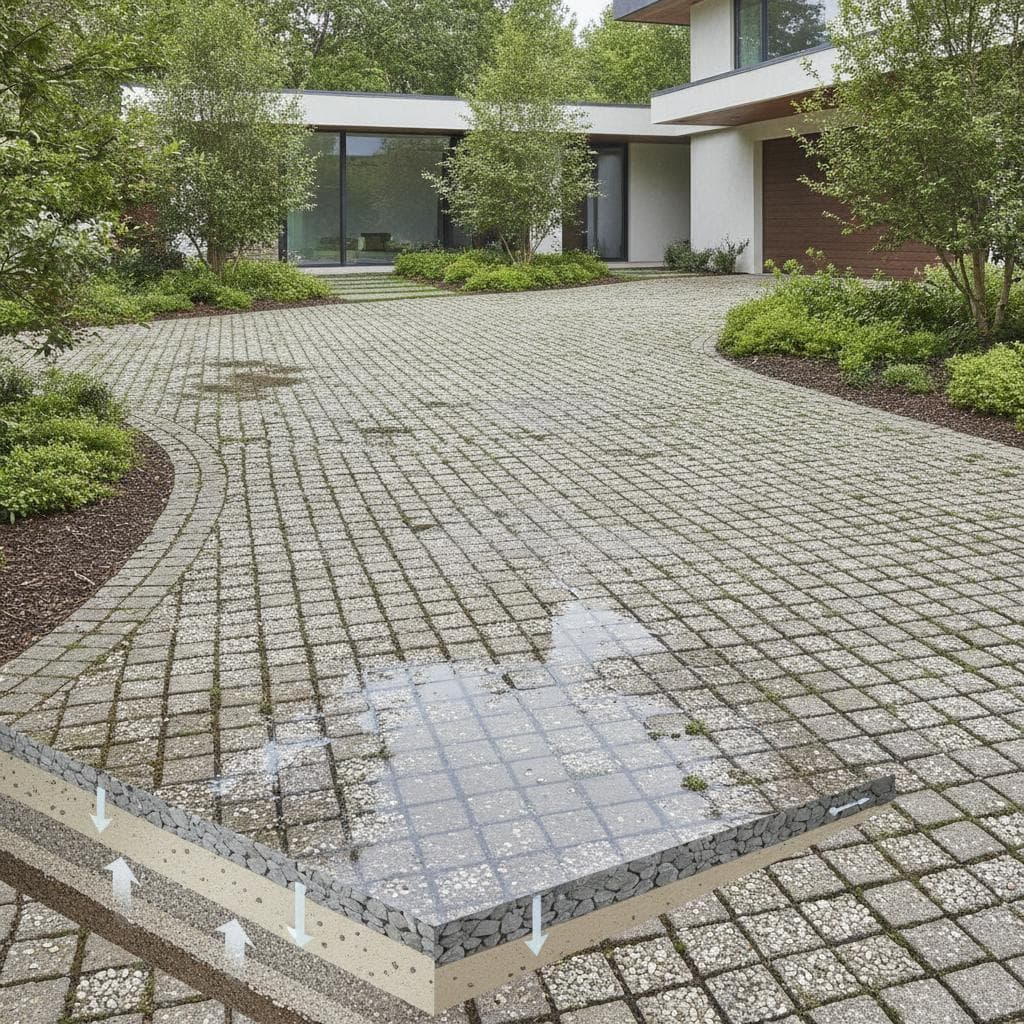
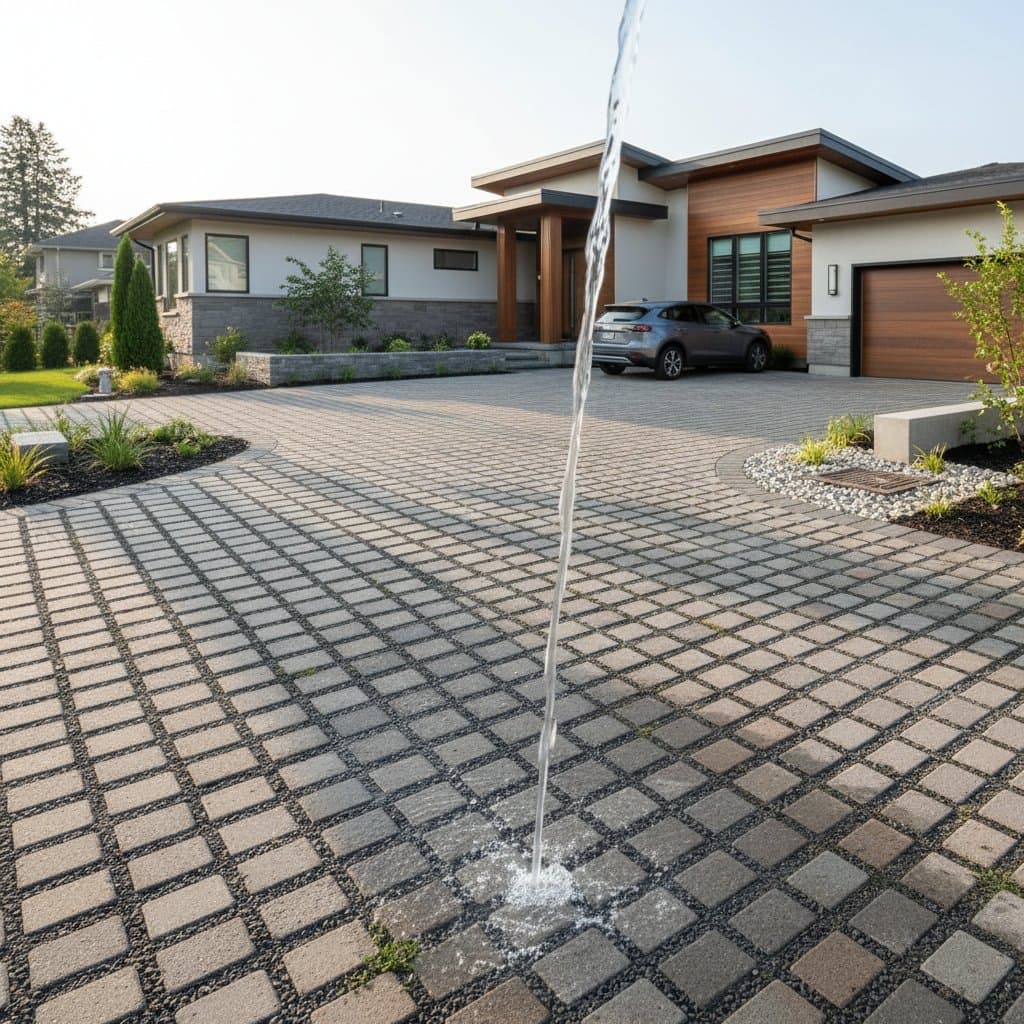
Permeable driveways use materials designed to allow water passage through surface voids. Rather than blocking absorption like sealed pavement, these systems replicate natural soil infiltration. A subbase of crushed stone or gravel beneath captures and gradually releases water into the ground, thereby decreasing pooling, erosion, and flood potential.
Standard options encompass:
- Permeable concrete pavers featuring narrow joints packed with fine gravel
- Porous asphalt resembling conventional asphalt yet incorporating aggregates that form voids for drainage
- Permeable concrete formulated with reduced fines to facilitate water flow
- Gravel or grass-filled grids constructed from recycled plastic or concrete to secure unbound surfaces
Selection depends on local climate, vehicle traffic, and desired upkeep level, as each option presents distinct strengths and expenses.
Cost Breakdown for Permeable Driveways
Costs vary based on material type, site specifics, and project intricacy. Professionals typically charge $8 to $25 per square foot for installation. Simpler gravel grids align with the lower spectrum, whereas premium pavers or custom finishes approach the upper limit.
Price ranges by material include:
- Permeable pavers: $15 to $25 per square foot
- Porous asphalt: $10 to $17 per square foot
- Permeable concrete: $12 to $20 per square foot
- Gravel or grass grids: $8 to $12 per square foot
Preparation tasks such as excavation, base assembly, and drainage setup add $2 to $5 per square foot. Removing an existing driveway incurs an extra $1 to $3 per square foot. Custom elements like patterned borders or varied hues elevate the total through design enhancements.
Key Cost Drivers
Multiple elements shape permeable driveway expenses:
- Soil composition: Dense clay soils demand deeper gravel layers or auxiliary drains for effective drainage.
- Slope and grading: Inclined sites necessitate additional earthwork and reinforcement for stability.
- Driveway size: Expansive areas leverage bulk pricing to lower per-square-foot rates.
- Material selection: Pavers involve higher initial outlay but offer extended service life and reduced replacement needs.
- Labor expertise: Contractors experienced in hydrology command premium fees yet ensure superior durability.
Home improvement forums indicate typical expenditures of $12,000 to $20,000 for a two-car driveway, influenced by regional factors and specifications.
Installation Process Explained
Effective permeable driveways demand precise subbase engineering to support loads and water volumes. Experts adhere to these phases:
- Site evaluation and excavation: Clear prior pavement and grade the subsoil, excavating 8 to 18 inches based on soil and usage.
- Base layering: Install progressive sizes of crushed stone, with coarse material at depth for storage and finer aggregates atop for support.
- Geotextile installation: Position breathable fabric between strata to block soil intrusion while permitting flow.
- Surface application: Lay and compact pavers, asphalt, or grids; sweep stabilizing gravel into paver gaps.
- Perimeter securing: Apply concrete or metal restraints to preserve alignment and resist movement.
Projects for standard residential driveways span three to five days, contingent on scale and weather.
Environmental and Functional Benefits
Permeable driveways extend beyond puddle prevention to bolster ecosystems and site efficiency. Primary gains involve:
- Stormwater handling: Infiltration replenishes aquifers, easing burdens on public infrastructure.
- Erosion prevention: Controlled flow safeguards soil, plants, and building bases from scouring.
- Heat reduction: Reflective surfaces like light pavers mitigate urban heat islands versus dark asphalt.
- Pollutant filtration: Subbase aggregates trap contaminants such as motor oils and sediments during percolation.
- Regulatory alignment: Local codes often reward these installations with fee waivers or sustainability rebates.
Environmental Protection Agency analyses reveal up to 90 percent runoff reduction in permeable setups during typical storms, curbing floods and aiding water tables.
Comparing Permeable vs. Traditional Driveways
Conventional asphalt or concrete provides familiarity and lower entry costs but generates impervious barriers needing supplemental drainage. Long-term contrasts in upkeep and resilience emerge distinctly.
Permeable strengths:
- Eliminates ponding and slippery ice
- Achieves drainage sans auxiliary conduits
- Resists cracking from thermal expansion
- Accesses eco-certifications and financial incentives
Traditional limitations:
- Accelerates runoff and soil loss
- Succumbs to seasonal fracturing
- Demands costly gutter or channel additions
Initial permeable premiums of 20 to 50 percent yield savings via minimized repairs and utility charges. In wet climates or regulated zones, payback accelerates.
Maintenance and Lifespan
Quality installations endure 20 to 30 years under regular attention. Upkeep proves simple yet essential for sustained function.
Essential practices:
- Clear debris: Use vacuums or blowers to eliminate leaves, grit, and buildup that obstruct voids.
- Monitor infill: Replenish joint gravel in pavers as erosion occurs.
- Gentle cleaning: Employ low-pressure washing to refresh infiltration without harm.
- Manage growth: Deploy eco-friendly treatments against weeds or algae in seams.
Asphalt and concrete variants benefit from routine sweeping to preserve openness. Refrain from impermeable sealants that hinder passage.
Modular designs enable targeted fixes for shifts, outperforming monolithic slabs prone to widespread failure.
Long-term Financial Perspective
Elevated starting costs contrast with permeable driveways' fiscal advantages over decades. Diminished drainage expenses, repair infrequency, and rebate eligibility enhance value.
Sustainability appeals also lift resale prices. Regional studies highlight 30 percent reductions in cumulative upkeep for permeable adopters, including simplified winter clearing in snowy areas.
Utility discounts for compliant surfaces further trim ongoing bills. Across ten years, such offsets can recover much of the upfront investment.
Design Flexibility and Aesthetic Appeal
Permeable options afford extensive customization to harmonize with home styles. Pavers support color blends, textures, and layouts from rustic to contemporary, while grids suit organic settings.
Incorporate borders, inlays, or hybrid materials for visual interest. Integrate with features like rain gardens to unify aesthetics and hydrology.
Design resources demonstrate matching tones to facades or fixtures, transforming driveways into architectural assets.
Safety and Accessibility Considerations
Permeable surfaces enhance security by curbing water accumulation and slickness. Even thermal profiles limit winter hazards.
Proper execution ensures compliance with accessibility norms; narrow joints accommodate mobility aids, and textures boost footing. Optional underlay heating facilitates snow melt, albeit at added expense.
Sustaining Performance Over Time
Annual checks and basic cleaning preserve longevity. Distribute heavy loads to avoid depressions. Address any stagnation promptly through professional extraction or adjustment.
Complement with site-wide strategies like permeable walkways or collection systems for holistic water stewardship.
Vet contractors via portfolios of prior permeable work and secure warranties covering installation and components.
Enduring Advantages in a Changing Climate
As urban policies prioritize resilience, permeable driveways deliver enduring utility, weather resistance, and ecological contributions for forward-thinking properties.