2026 Greywater Costs: Slash Bills with Smart Recycling
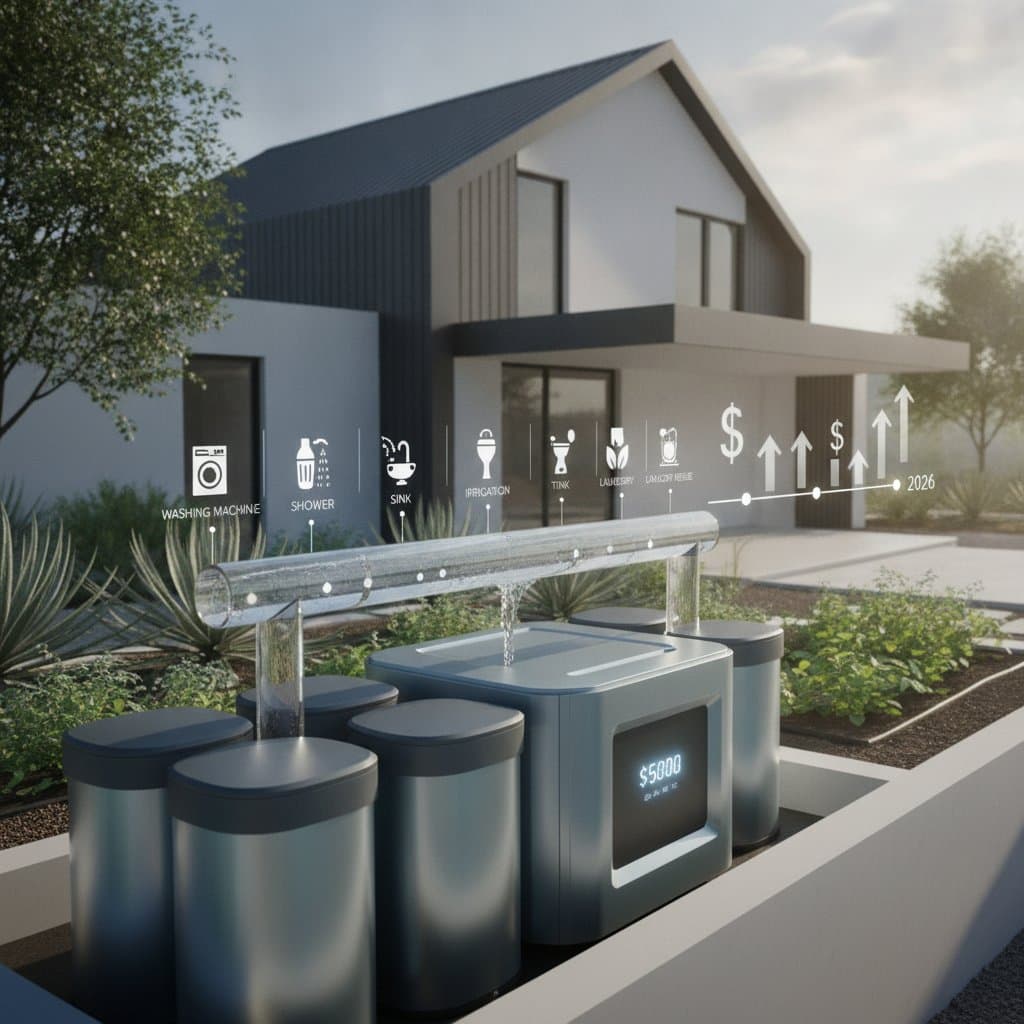
Rising water costs and persistent drought concerns prompt homeowners to reconsider water usage. Greywater recycling systems capture water from sinks, showers, and laundry for reuse in irrigation or toilet flushing. These systems reduce household water consumption by up to 50 percent, which translates to substantial annual savings and decreased pressure on municipal supplies.
This guide details installation costs for 2026, system selection criteria, maintenance requirements, performance expectations, and long-term financial returns.
Cost Breakdown for Greywater Systems
Costs for greywater systems fluctuate based on design complexity, capacity, and site-specific factors. Homeowners should budget for both initial installation and ongoing operational expenses. The following outlines common system types with associated price ranges.
Basic Laundry-to-Landscape Systems
- Cost Range: $600 to $2,000
- DIY Difficulty: Low to moderate
- Time Estimate: One to two days
- Maintenance: Clean filters and inspect valves every three to six months
These entry-level systems divert laundry water directly to garden beds via simple piping. They suit small households with nearby landscaping and minimal elevation changes.
Gravity-Fed Landscape Systems
- Cost Range: $1,500 to $3,500
- DIY Difficulty: Moderate
- Time Estimate: Two to four days
- Maintenance: Flush pipes and clean filters quarterly
Gravity-fed designs use the property's natural slope to distribute water without pumps. Expenses increase with extensive trenching or routing through interior spaces.
Pumped and Filtered Systems
- Cost Range: $4,000 to $9,000
- DIY Difficulty: High
- Time Estimate: Four to seven days
- Maintenance: Check filters monthly, service pumps biannually, and calibrate sensors as needed
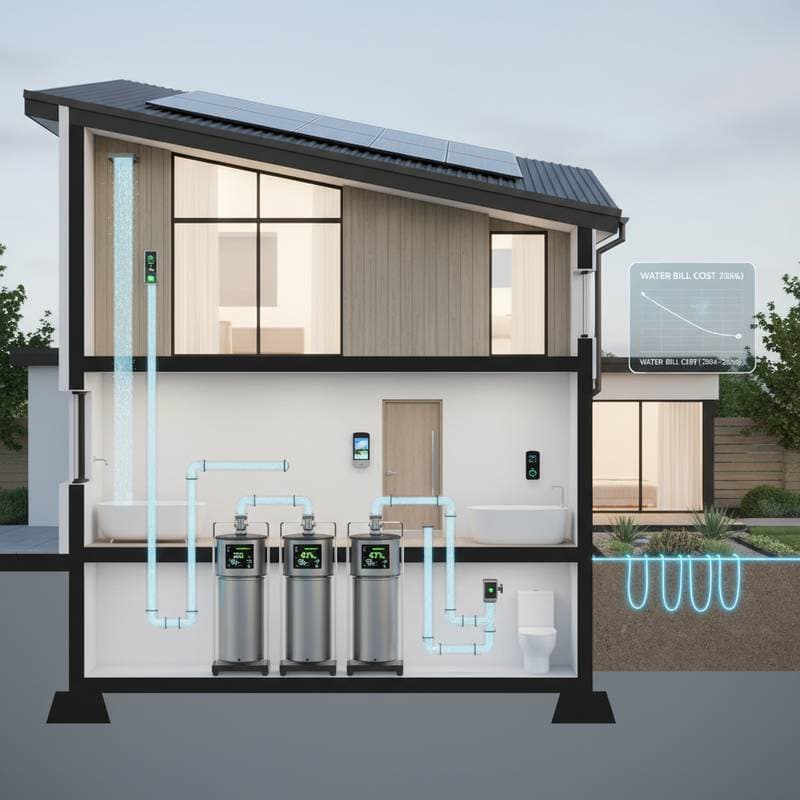
Pumped systems deliver water to elevated or distant areas, making them ideal for multi-level homes or expansive yards. Electricity consumption adds about $50 to $100 annually to operating costs.
Whole-Home Treatment Systems
- Cost Range: $9,000 to $20,000
- DIY Difficulty: Professional installation required
- Time Estimate: One to two weeks
- Maintenance: Conduct scheduled servicing, replace filters every six months, and test water quality annually
Advanced treatment systems process greywater from all household sources for both indoor and outdoor applications. Compliance with plumbing codes necessitates certified installers and regular inspections.
Expected Savings and Return on Investment
Effective greywater systems lower water usage by 25 to 50 percent, depending on household size and local rates. An average family of four might save $200 to $800 per year on water bills alone.
Payback periods range from two to three years for simple setups to five to eight years for comprehensive ones. Additional benefits include enhanced property value through sustainable features that attract environmentally aware buyers.
Homeowners on improvement forums report quicker returns when systems support large gardens, as irrigation costs drop significantly. Consistent usage and upkeep maximize these outcomes.
Maintenance Tips for Long-Term Performance
Greywater systems demand routine attention to ensure safety and efficiency. Follow these steps to prevent issues and extend system life.
-
Clean Filters Regularly
Remove sediment and debris from filters every one to three months, depending on usage. Replacement parts cost $20 to $50 each. -
Inspect Valves and Hoses
Examine connections monthly for leaks or wear. Protect hoses from direct sunlight to avoid material degradation. -
Avoid Harsh Chemicals
Select biodegradable, phosphate-free detergents to safeguard soil health and prevent clogs. Avoid bleach or antibacterial products entirely. -
Flush the System Occasionally
Introduce fresh water monthly to clear mineral deposits from pipes and storage tanks. -
Test Soil and Plants
Assess moisture levels in irrigated areas weekly during growing seasons. Adjust diverter valves to balance distribution and avoid root damage. -
Schedule Annual Service for Complex Systems
Engage professionals to evaluate pumps, seals, and electrical components once yearly, with costs around $200 to $400.
Environmental and Lifestyle Benefits
Greywater recycling diminishes reliance on treated municipal water and reduces wastewater volume sent to processing facilities. In arid regions, these systems provide a steady supply during conservation mandates.
Conservation specialists emphasize that greywater reuse achieves up to 50 percent reduction in overall consumption without altering daily routines. This practice fosters household resilience and contributes to broader water security efforts.
Comparing Greywater with Other Water-Saving Methods
Homeowners benefit from evaluating greywater against alternatives to inform decisions.
| Method | Average Cost | Savings Potential | Maintenance Level | Ideal Use Case |
|---|---|---|---|---|
| Low-flow fixtures | $200 to $800 | 10-20% | Very low | Quick bathroom or kitchen upgrades |
| Rainwater harvesting | $2,000 to $10,000 | 20-40% | Medium | Properties with ample roof area and storage |
| Greywater recycling | $600 to $20,000 | 25-50% | Moderate | Year-round indoor and outdoor applications |
Greywater offers reliable performance independent of weather patterns. Combining it with rainwater collection optimizes resource use for comprehensive conservation.
Preventing Future Issues
Select durable, corrosion-resistant materials during installation to withstand exposure to soaps and minerals. Position filters in easily accessible locations and maintain records of all upkeep activities.
Incorporate greywater infrastructure into renovation plans from the outset to minimize disruption and expense. Consult code-compliant experts for expansions, as many plumbers now specialize in sustainable systems.
Realizing Lasting Value Through Greywater
Greywater systems represent a strategic investment in financial efficiency and ecological responsibility. They transform everyday wastewater into a valuable asset, yielding ongoing savings and bolstering home resilience. With informed planning and diligent care, homeowners secure a future of reduced costs and preserved resources.