2026 Greywater Costs: Permits and Savings Revealed
Greywater systems attract increasing interest from homeowners seeking to conserve water, lower utility bills, and foster sustainable living. The key concerns involve installation expenses, necessary permits, and the timeline for financial recovery. A clear grasp of financial and regulatory elements enables confident project planning.
What Greywater Systems Accomplish
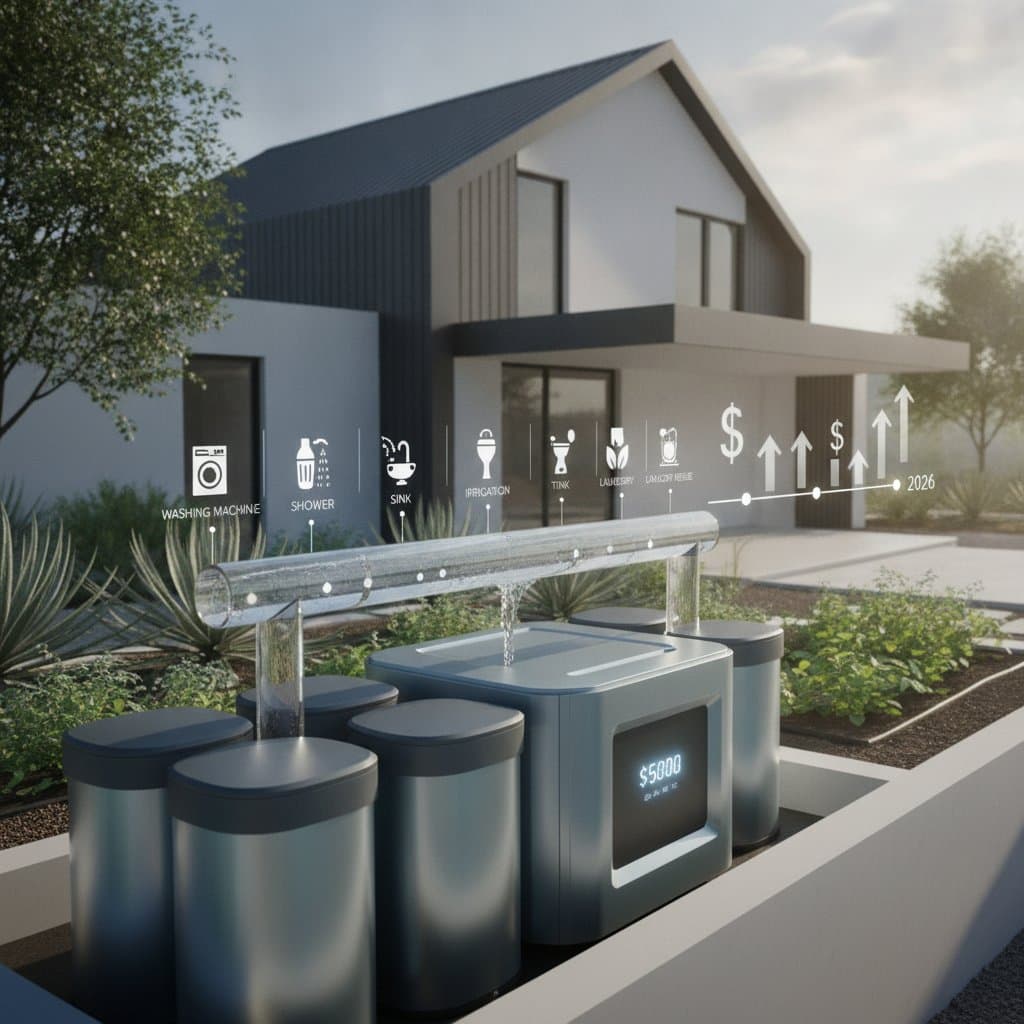
Greywater consists of mildly used water from sinks, showers, bathtubs, and washing machines. This water excludes toilet waste and kitchen sink drainage, which carry greater contaminants. Rather than directing this relatively clean water to the sewer, a greywater system captures, filters, and redirects it for landscape irrigation or toilet flushing.
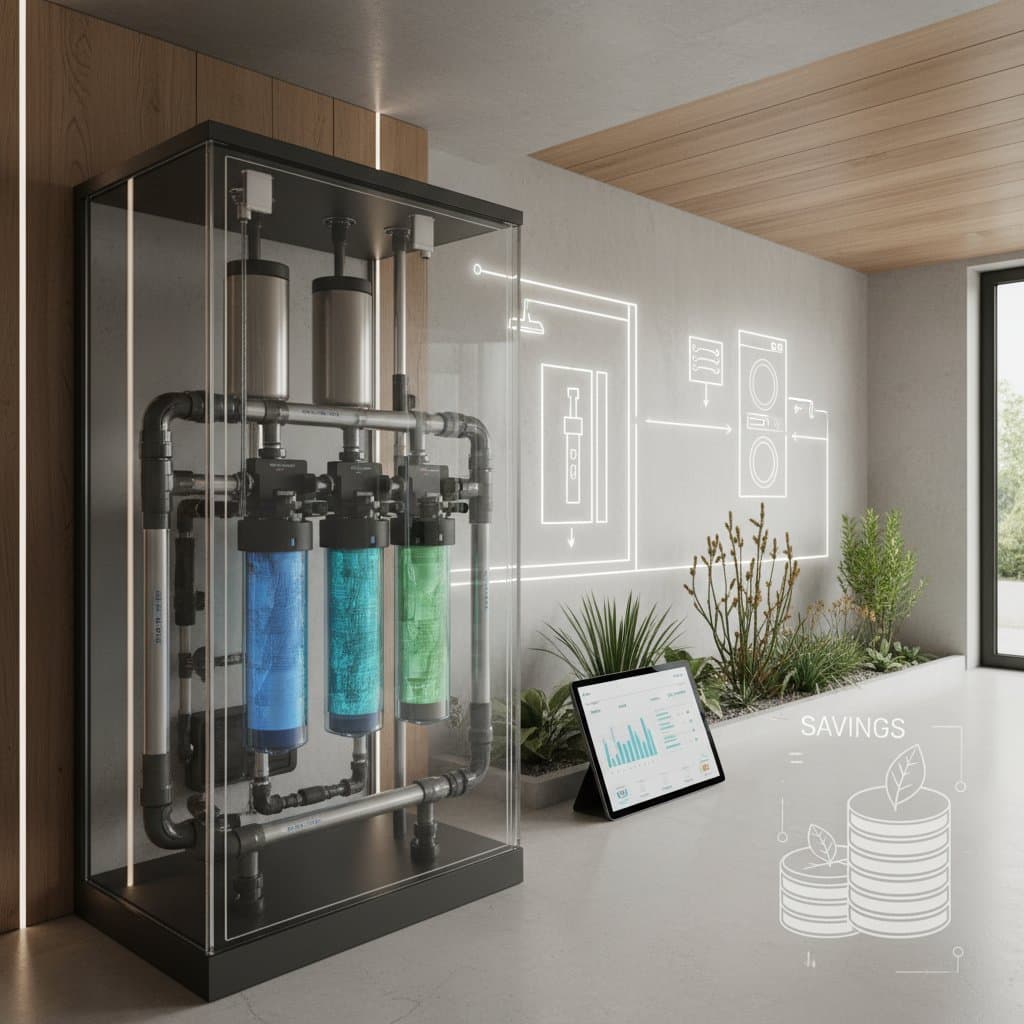
Basic configurations reroute washing machine output to irrigation lines. Advanced versions incorporate filtration tanks, pumps, and automated controls for even distribution to plants or secondary fixtures. Such systems diminish freshwater needs, particularly in water-scarce regions.
Analyzing Greywater System Expenses
Overall expenses for a greywater system hinge on design intricacy, current plumbing, site configuration, and regional codes. Systems fall into three main categories: manual, semi-automatic, and fully automated.
-
Manual systems provide the most straightforward option. They redirect washing machine water to a garden hose or subsurface line. Expect costs of $400 to $1,200 for components and plumber installation.
-
Semi-automatic systems feature filters and diverter valves for toggling between greywater output and sewer flow. These range from $1,800 to $3,500 in total.
-
Fully automated systems employ sensors, pumps, and multi-stage filtration for indoor applications. Prices span $4,000 to $8,000 or higher, especially for retrofits in older structures.
New construction allows for cost-effective integration by aligning plumbing from the outset. Retrofitting existing homes increases budgets by 20 to 40 percent due to added labor and materials.
Navigating Permits and Inspections
Homeowners must review local plumbing and environmental rules prior to installation. Requirements differ by location, with most areas categorizing greywater under recycling or alternative plumbing guidelines.
Simple laundry-to-landscape setups often bypass full permitting if they adhere to safety and distance standards. Complex installations with tanks, pumps, or indoor use demand plumbing permits and inspections. Permit fees range from $100 to $600 based on system scope and jurisdiction.
Inspections verify protection of drinking water sources. Codes mandate backflow preventers and labeled pipes. A licensed plumber or certified professional typically certifies the work for approval.
Unforeseen Expenses and Expert Charges
Material and permit costs prove predictable, yet other factors emerge. Trenching for lines or site modifications can add $500 to $2,000. Electrical additions for pumps or timers may necessitate an electrician, costing $200 to $600.
Challenging soil, such as clay or dense earth, demands extra effort for drainage. Professional consultations, evaluating soil, terrain, plant requirements, and plumbing, cost $300 to $800. Bundled design-installation services streamline processes but limit material choices.
Projected Savings and Recovery Timeline
Effective greywater systems cut freshwater consumption by 25 to 40 percent, varying with family size and usage patterns. Moderate irrigation households save $200 to $600 yearly on bills. Tiered pricing amplifies benefits by avoiding peak rates.
Small systems recover costs in four to six years on average. Automated versions extend this slightly but yield steadier gains. Additional advantages include eased municipal sewer loads, reduced pollution, and drought-resistant landscaping.
Greywater Versus Rainwater Collection
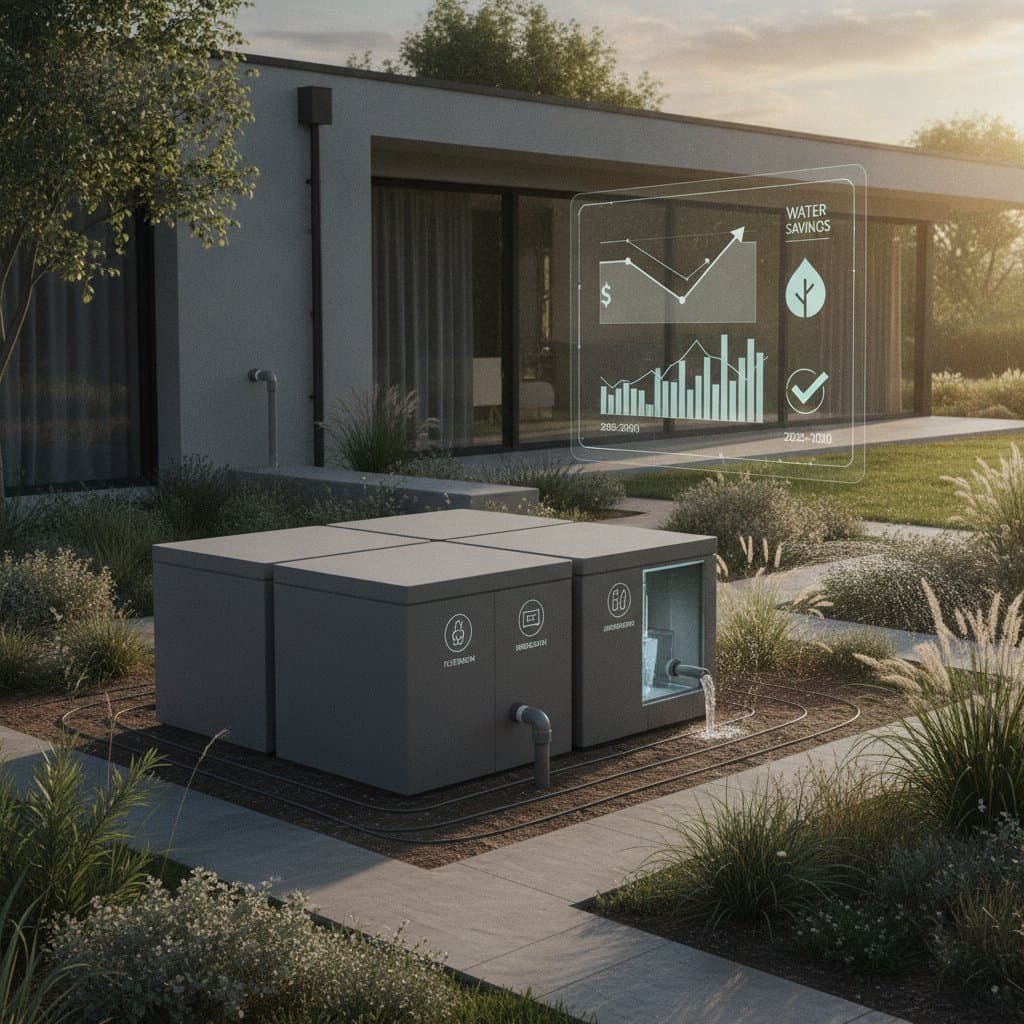
Both methods advance conservation, yet they differ in function. Rainwater systems gather roof runoff for storage and use, while greywater recycles indoor wastewater. Greywater ensures steady availability tied to routine activities, independent of weather.
Combining approaches maximizes outcomes. Use greywater for outdoor needs and rainwater for indoor non-drinking tasks like flushing. Though integration poses challenges, it achieves near-total reuse for enduring sustainability.
Typical Installation Hurdles
Access to plumbing presents major obstacles. Slab foundations may require concrete cuts, elevating labor expenses. Constrained outdoor areas limit placement of lines and filters.
Water composition matters too. Harsh detergents with bleach, boron, or sodium damage vegetation, so adopt biodegradable alternatives pre-installation. Maintenance involves filter cleaning every few months and line checks for obstructions.
In cooler regions, winter draining prevents freezing. Incorporate drain valves and insulation for easier seasonal management.
Available Incentives and Rebates
Local governments and utilities frequently subsidize conservation efforts. Greywater rebates vary from $150 to $1,000 by system and program. Low-interest loans support upgrades in qualifying areas.
Prepare estimates, permits, and plans for applications. Pairing incentives with bill reductions accelerates payback.
Health and Ecological Priorities
Properly handled greywater reuse poses minimal risks, provided standards are followed. Limit untreated storage to under 24 hours to curb bacteria. Apply subsurface to avoid human or animal exposure.
Reserve advanced systems for edible plants; otherwise, direct to ornamentals, trees, or shrubs. This sustains moisture without potable resources, enhancing soil biology and cutting fertilizer reliance.
Practical Strategies for Optimal Results
-
Integrate during construction. Early planning reduces complexity and expense compared to additions.
-
Engage certified experts. They guarantee code adherence and avert errors.
-
Select compatible cleaners. Opt for biodegradable, greywater-approved formulas.
-
Conduct routine evaluations. Prevent issues through consistent monitoring.
-
Maintain records. Document permits, checks, and upkeep for property value or claims.
Ensuring Longevity Through Care
Reliability sustains a greywater system's value. Annual reviews assess pumps, filters, and pipes. Address minor issues promptly to preserve efficiency.
Install flow meters to quantify output and detect faults. With diligent attention, systems endure over ten years, with low-cost part replacements offset by savings.
Adopting a greywater system advances conservation while curbing expenses and safeguarding resources. Strategic preparation, regulatory compliance, and ongoing upkeep deliver lasting safety, performance, and environmental gains.