2026 Greywater Installation: Costs, Return on Investment, and Water Savings
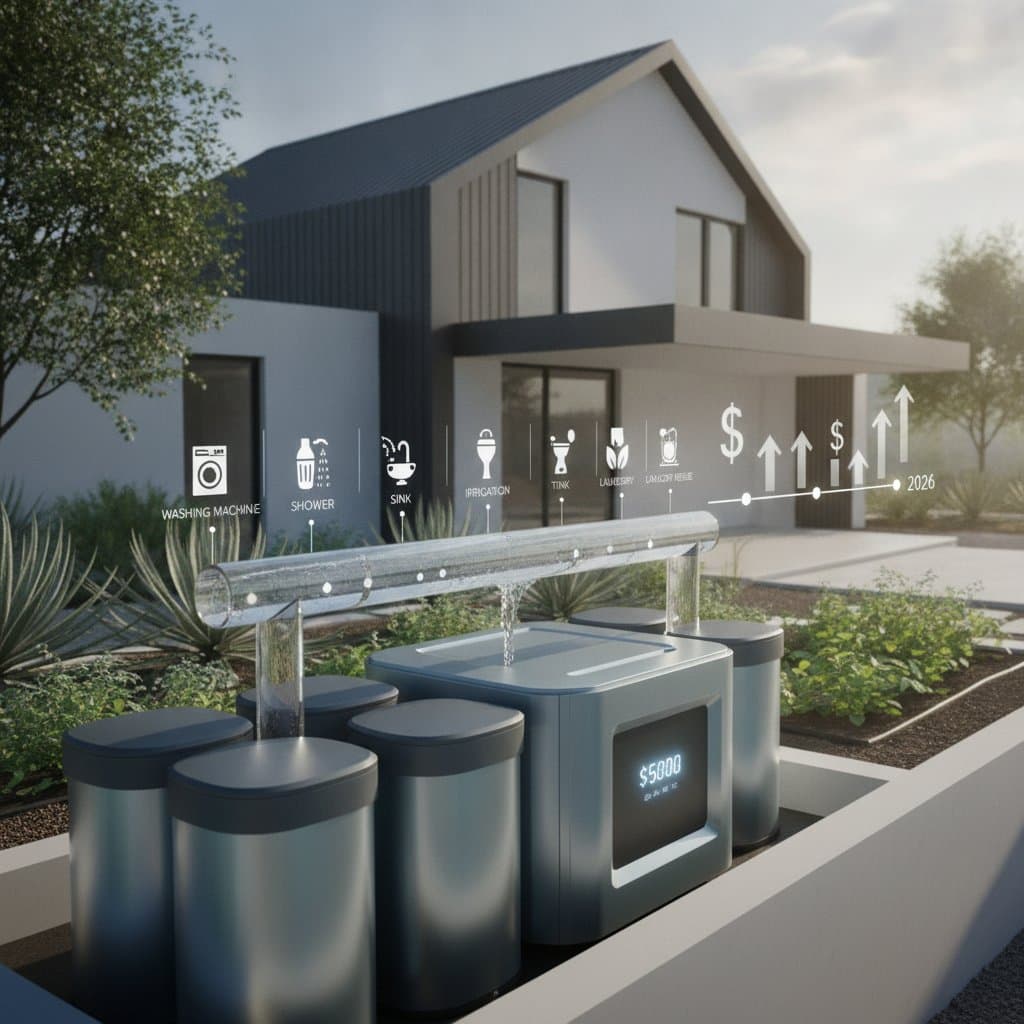
Homeowners seeking to lower water bills and enhance sustainability often consider greywater systems. These systems collect water from sources such as showers, bathtubs, bathroom sinks, and washing machines. The water undergoes filtration and disinfection before reuse in irrigation or toilet flushing. With rising water costs and expanding conservation incentives, such installations offer practical benefits in savings and environmental stewardship.
How Greywater Systems Function
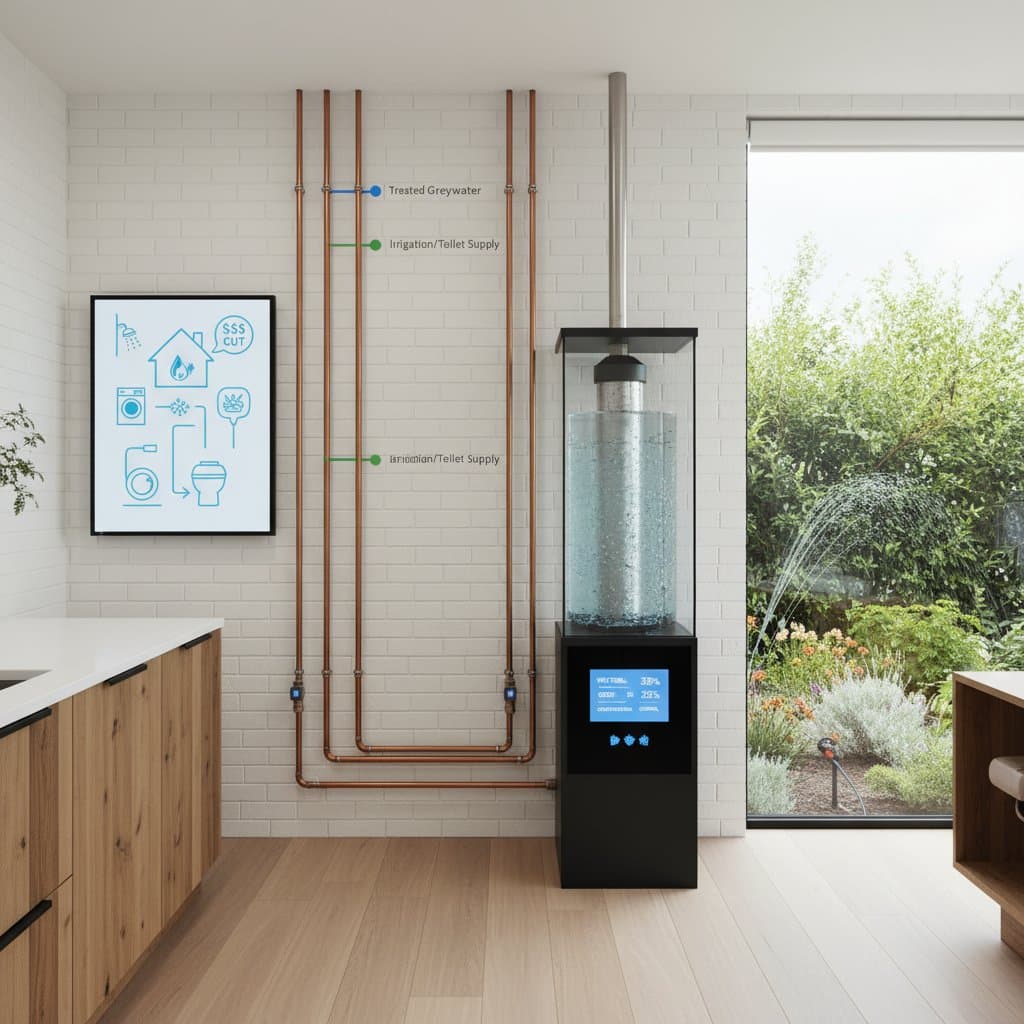
Greywater systems gather used water free from sewage or kitchen waste. This water passes through filtration and disinfection processes for safe property reuse. In contrast to rainwater harvesting, which relies on weather, greywater systems utilize water already in daily home use, providing a consistent supply.
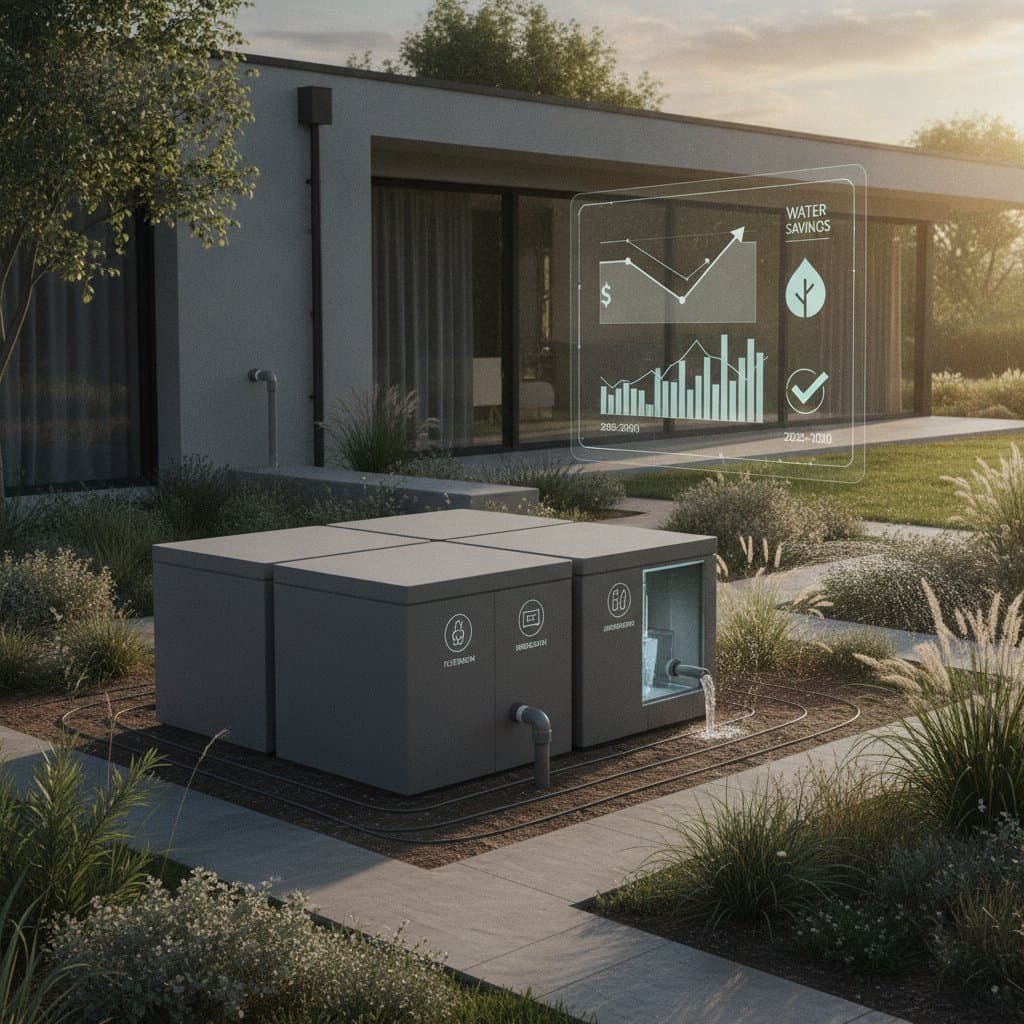
Basic systems direct greywater to outdoor landscaping via subsurface irrigation lines. Advanced configurations treat and store water for indoor applications like toilet flushing or laundry. Selection depends on plumbing configuration, local regulations, and reuse objectives.
Installation Cost Details
Installation costs vary based on system scale, filtration complexity, and plumbing adjustments. A simple outdoor irrigation system from one source typically costs between $1,500 and $3,000. Components include a diverter valve, basic filters, and irrigation lines.
Whole-home systems with treatment tanks, pumps, and indoor capabilities range from $6,000 to $15,000. Higher prices cover custom plumbing, automated controls, and professional disinfection. Retrofitting older homes may increase expenses if accessing drain lines requires structural work.
Labor rates from licensed plumbers and specialists fall between $80 and $150 per hour, influenced by region and expertise. Permitting fees add $100 to $500, varying by local codes.
Key Cost-Influencing Factors
- System Design: Gravity-fed options cost less than those requiring pumps and advanced filters.
- Property Configuration: Accessible plumbing or existing irrigation lowers retrofitting expenses.
- Filtration Extent: Additional treatment and storage elevate prices.
- Regulatory Demands: Inspections or certified professionals in some areas raise total costs.
- Irrigation Expansion: New lines or drip systems contribute to overall outlay.
Consult an installer to assess reusable plumbing elements and optimize efficiency. Integrating greywater with rainwater systems can share components, reducing expenses.
Return on Investment and Payback Period
Return on investment hinges on local water rates, household usage, and available incentives. Homes with substantial irrigation or high rates see quicker savings. Operational systems typically reduce annual water bills by 25 to 40 percent.
Payback for mid-sized systems occurs in five to eight years. Utility rebates or tax credits, ranging from $500 to $2,000 in some regions, accelerate this timeline. Beyond finances, consistent irrigation extends landscaping durability, especially in dry climates, and boosts property appeal through demonstrated efficiency.
Quantifiable Water Savings and Ecological Advantages
Greywater systems reduce household water use by up to 40 percent, based on redirected volume. A family of four might save thousands of gallons monthly. Primary applications involve lawns, shrubs, and gardens, decreasing municipal water dependence.
Sustainable plumbing specialists note that greywater enhances soil health. It supplies nutrients like phosphates and nitrogen, serving as natural fertilizer. Proper application minimizes chemical fertilizer needs and fosters soil balance.
Options for Installation: DIY or Professional
Skilled homeowners can manage basic diversion systems for outdoor use, particularly with accessible plumbing. Kits from retailers, priced at $600 to $1,200, include instructions and fittings, ideal for modest properties.
Filtration, storage, or indoor systems demand professional expertise to avoid contamination, backflow, or code violations. Professionals guarantee compliance and separation from drinking water lines.
Essential Maintenance Practices
Regular upkeep preserves water quality and system function. Clean filters every few months and inspect tanks for sediment. Test pumps and valves periodically for steady flow. Annual professional checks cost $150 to $300.
Opt for biodegradable soaps to protect performance. Harsh chemicals harm plants and clog filters. Reserve greywater for non-edible plants unless advanced treatment ensures safety.
Practical Troubleshooting Strategies
- Reduced Flow or Blockages: Inspect filters and valves for debris; clean screens and flush lines routinely.
- Odor Issues: Stagnant storage causes smells; promote drainage to prevent buildup.
- Pump Failures: Verify electrical links and backup power.
- Uneven Irrigation: Modify emitters and rates for balanced coverage.
Monthly monitoring averts minor problems. A maintenance log tracks filter changes and services.
Situations Requiring Expert Intervention
Seek professionals for significant pressure loss, ongoing odors, or control failures. Technicians test water, examine joints, and adjust sensors. Early action mitigates contamination and maintains code adherence.
Sustaining Long-Term Value
Properly installed greywater systems yield enduring savings and efficient water management. Routine care ensures dependable irrigation and reduced municipal reliance. Such investments lower costs, advance conservation, and enhance home resilience amid growing water challenges.