- Scale and sophistication: Larger properties require extensive plumbing, advanced filtration, and greater storage capacity, elevating costs.
- Regulatory requirements: Certain locales mandate permits, engineering reviews, or water quality tests, which contribute additional fees.
- Professional labor and materials: Engaging certified plumbers or specialists guarantees adherence to codes and optimal performance, though it increases outlay.
- Integration with current infrastructure: Properties with exposed drain lines simplify retrofits; concealed pipes demand more invasive work and higher labor charges.
Expect total costs to range from $500 for simple diverter kits to $10,000 or more for full-home installations. Professional setups provide reliability and often include warranties against defects.
Maintenance and Annual Expenses
Regular upkeep prevents issues like blockages or unpleasant smells in greywater systems. Homeowners should clean filters monthly and flush tanks quarterly to eliminate sediment buildup. Annual costs for replacement parts, such as mesh screens or valves, typically amount to $100 to $200.
Most systems operate with minimal energy demands. Gravity-based designs require no power, while those with pumps draw electricity comparable to a small appliance, far below the energy embedded in producing fresh potable water. These low ongoing costs enhance the overall value proposition.
Calculating Long-Term Financial Returns
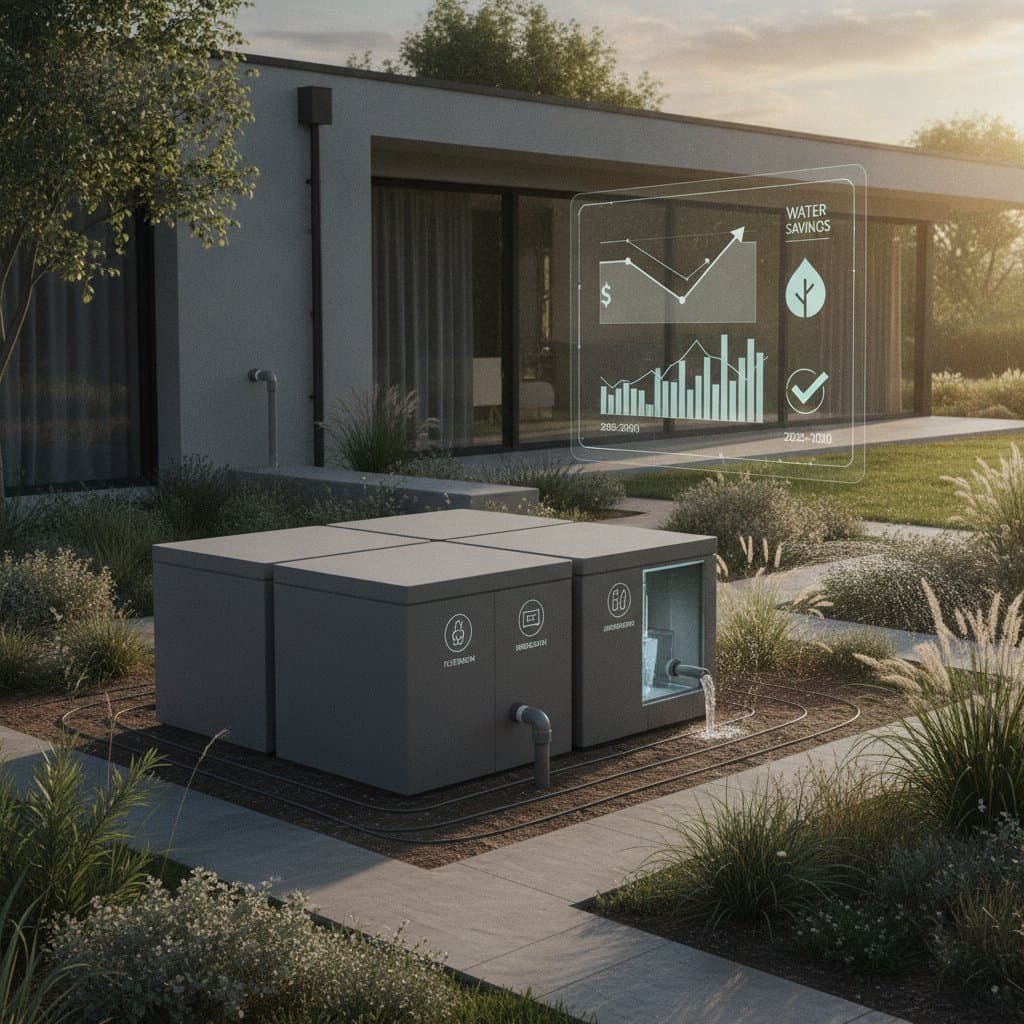
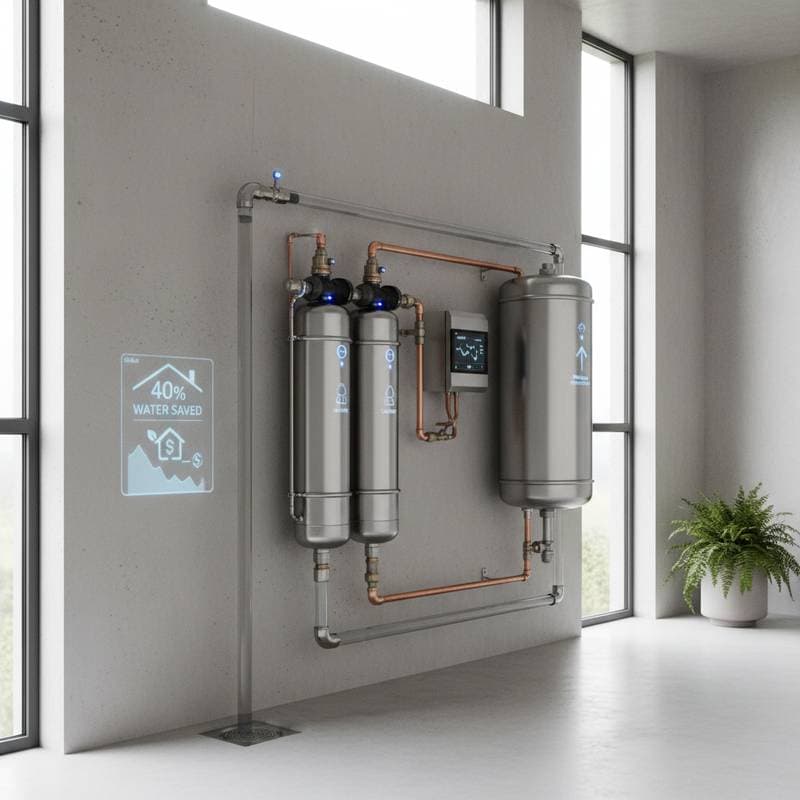
Greywater systems deliver their primary benefits through sustained reductions in water usage. By diverting shower and laundry water to irrigation, households can decrease bills by 25 to 40 percent, influenced by daily routines and outdoor needs. In water-scarce zones, annual savings often exceed $300.
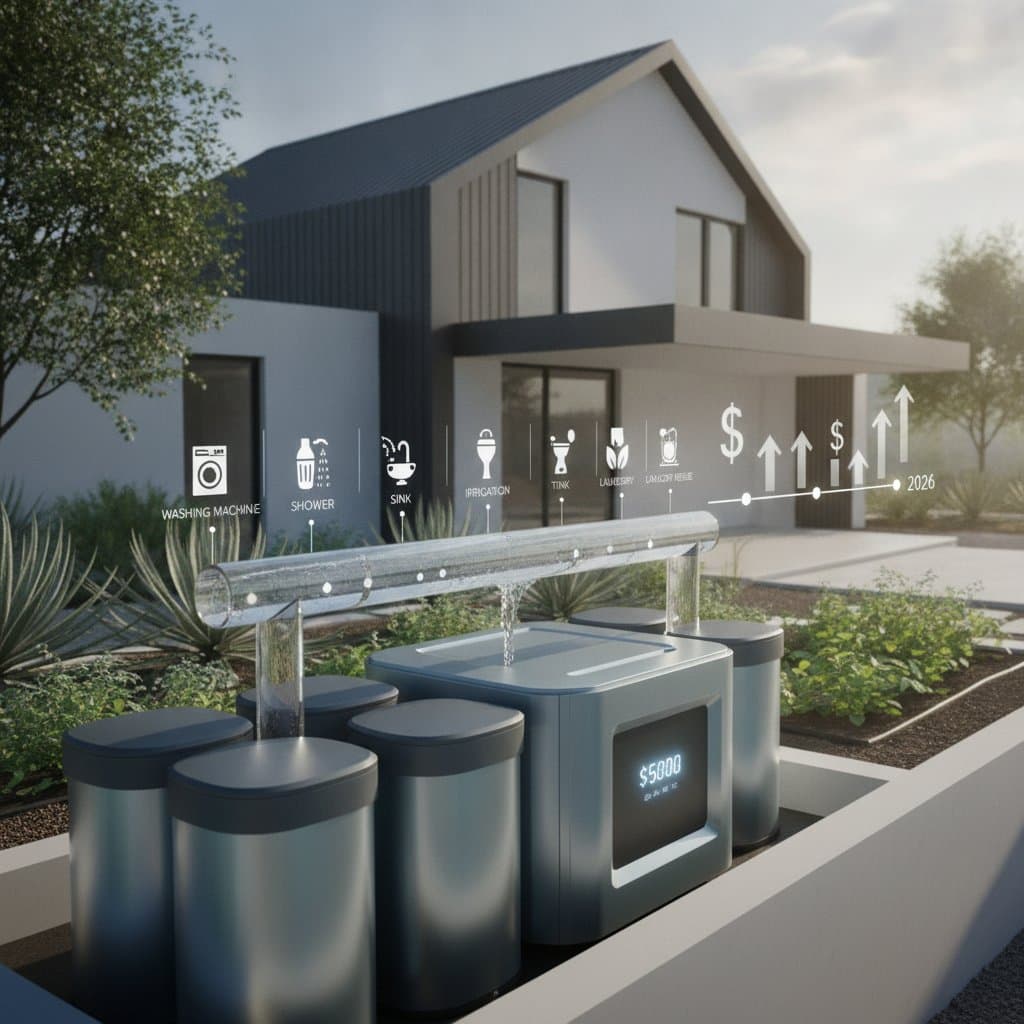
Consider a real-world example: A four-person household in a suburban setting installed a mid-tier system costing $3,500. Their monthly water bill fell from $150 to $100, achieving full payback within four years while supporting a drought-resistant yard.
To estimate personal savings, track current water consumption via utility statements, then calculate 30 percent reduction applied to irrigation and flushing volumes. Tools like online calculators from conservation organizations can refine these projections.
Options for DIY and Expert Installation
Individuals with basic plumbing skills can tackle simple laundry-to-landscape conversions over a weekend. These involve installing diverter valves on washing machine hoses and routing output through mulch basins for plant absorption. Source materials from hardware stores for under $300, and follow manufacturer guides for safe setup.
Whole-home configurations demand greater expertise, as they connect diverse drains and may require subsurface tanks or electrical wiring for pumps. Compliance with building codes often prohibits certain reuse methods, such as indoor applications without treatment. Professionals conduct site assessments, secure approvals, and test for cross-contamination risks, ensuring system longevity.
Broader Environmental and Practical Advantages
Implementing greywater reduces strain on public water treatment facilities and minimizes sewage volume sent to treatment plants. This practice sustains landscapes during water restrictions, preserving soil moisture and plant health without extra expense.
Sustainability experts note that greywater diversion lightens the burden on septic tanks, potentially extending their service life by 20 percent and deferring costly repairs. Homeowners gain a measure of self-reliance, particularly in areas prone to shortages, while cultivating mindful consumption patterns.
Steps to Sustain System Performance
Conduct inspections every three months to identify leaks or clogs early. Rinse filters under running water, verify pump functionality if applicable, and clear distribution lines of roots or debris. Select plant-friendly cleaners free of salts or antimicrobials to protect both the system and downstream vegetation.
Address signs of trouble promptly: Persistent odors signal bacterial growth, resolvable by adding beneficial microbes or professional servicing. Many installers provide annual contracts for $150 to $300, covering tune-ups and part replacements to maintain efficiency.
Diligent maintenance yields systems that operate for 20 years or longer, consistently offsetting initial costs through reliable water recycling.
Steps to Implement Greywater Recycling
Begin by evaluating your home's water usage patterns and local incentives, such as rebates for conservation projects. Consult municipal guidelines to confirm permissible uses and required certifications.
Select a system aligned with your budget and needs, then engage a specialist for complex installs or proceed with DIY for modest scopes. Monitor performance post-installation, adjusting as household dynamics evolve.
This approach transforms everyday wastewater into an asset, yielding financial relief and environmental stewardship for years ahead.