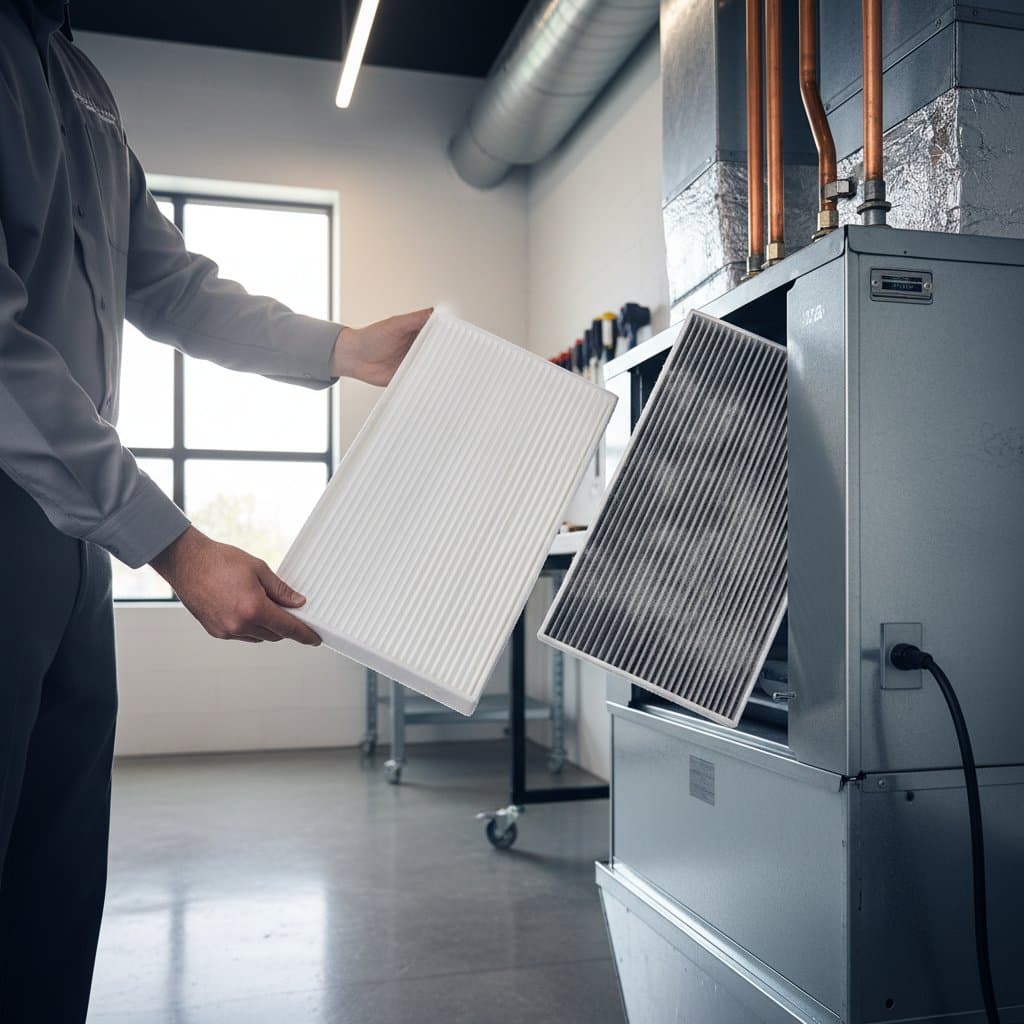
The Biannual Filter Change That Protects Your HVAC System
Homeowners frequently overlook the impact of a simple air filter on the HVAC system. Replacing the filter twice a year maintains cleaner air, lowers energy bills, and avoids expensive repairs. The process requires only minutes, yet it extends equipment life by several years. Establishing this biannual filter change ranks among the most effective and economical home maintenance practices.
Why Regular Filter Changes Are Essential
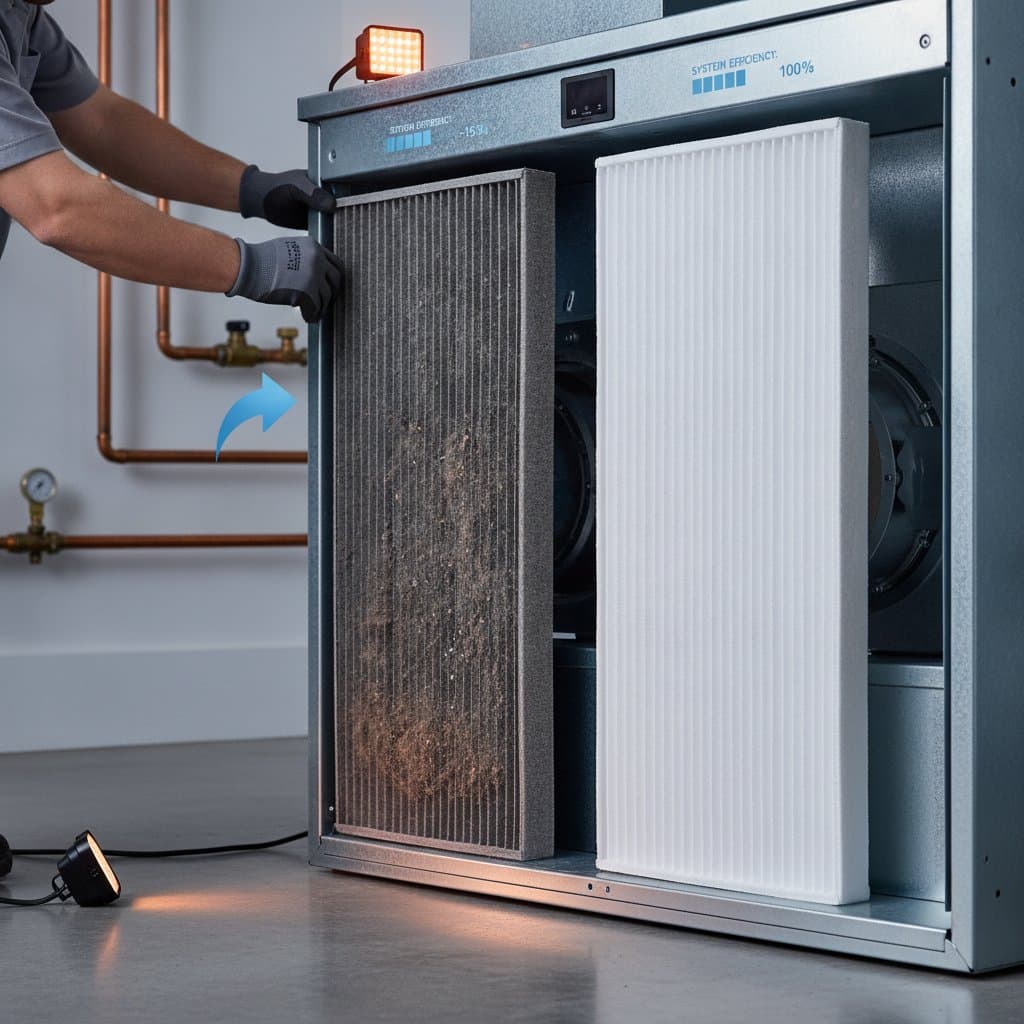
Every HVAC system relies on unrestricted airflow. As the filter accumulates dust, pet hair, pollen, and debris, airflow becomes restricted. This forces the blower motor to operate harder, increasing energy consumption and accelerating wear on components. A clogged filter may lead to coil icing during cooling seasons or excessive strain on the heat exchanger in heating periods.
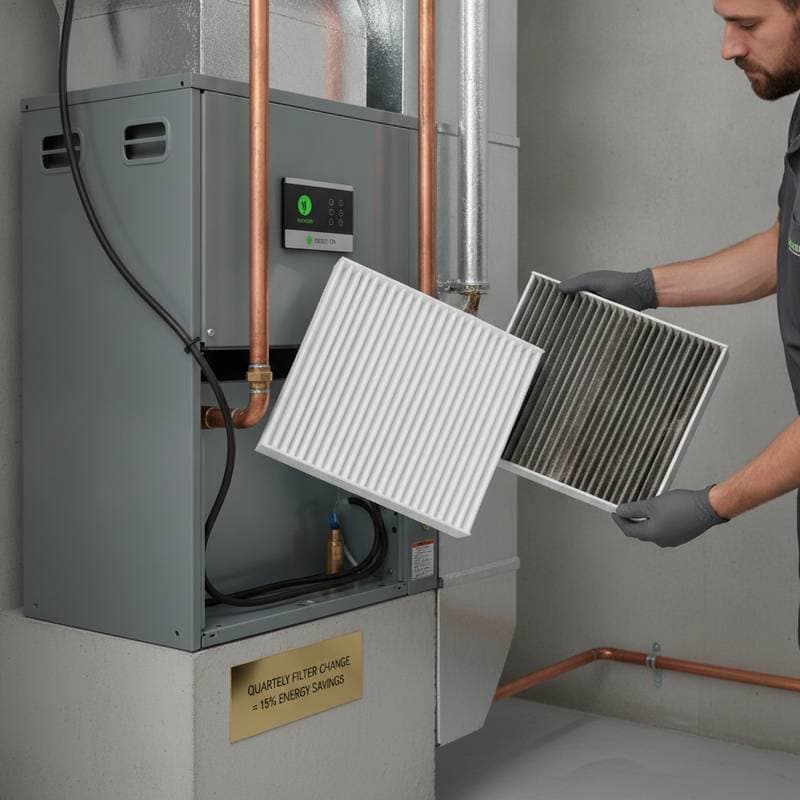
A Department of Energy report indicates that replacing dirty filters reduces energy use by up to 15 percent. Such savings appear directly on utility statements. Additionally, cleaner filters enhance indoor air quality, providing significant benefits for individuals with allergies or respiratory issues.
Establishing an Effective Filter Change Schedule
Recommendations often suggest replacing filters every one to three months. However, not all households require such frequent changes. A biannual schedule, aligned with spring and fall transitions, suits many residences. This timing allows inspection of the system before peak heating or cooling demands.
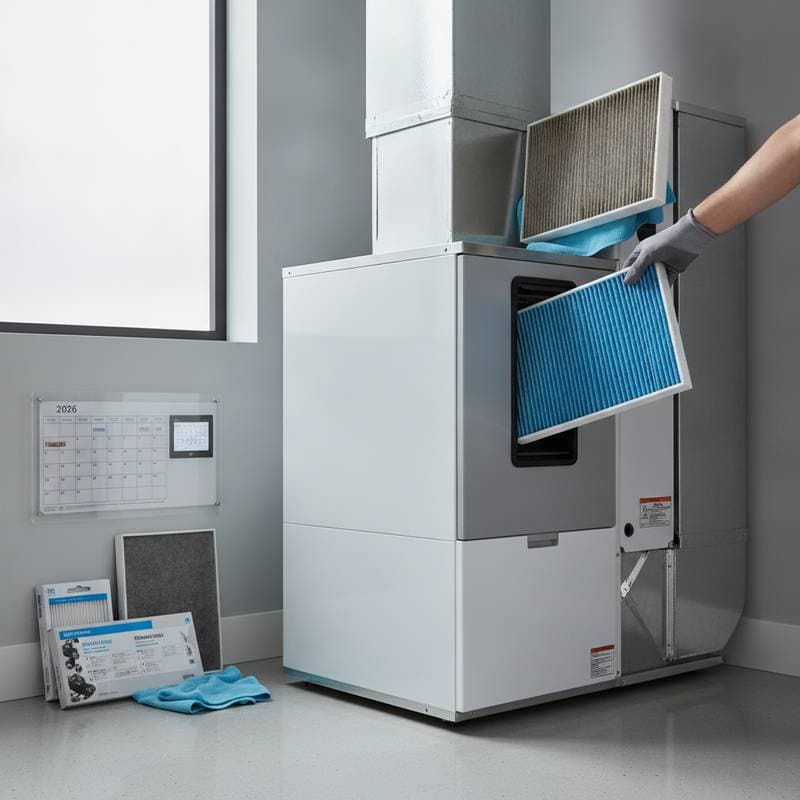
Households with multiple pets, smokers, or elevated dust levels benefit from more frequent checks. In contrast, a single occupant in a newer, well-sealed home often maintains strong airflow and acceptable air quality with twice-yearly replacements. Consistency proves crucial. Schedule the changes on a calendar or use phone reminders to integrate them into seasonal routines.
Selecting the Appropriate Filter Type
Filters vary in materials, thickness, and efficiency ratings. The MERV rating, or Minimum Efficiency Reporting Value, measures filtration capability. Higher ratings capture finer particles, though they may not suit every system due to potential airflow restrictions.
- MERV 1–4: Basic fiberglass options that capture large particles such as lint and coarse dust. These prove inexpensive but offer limited protection against fine allergens.
- MERV 5–8: Pleated designs that trap smaller particles like mold spores and pet dander. These serve most standard homes effectively.
- MERV 9–12: Advanced filters that remove nearly all airborne contaminants. They suit households with asthma or severe allergies.
- MERV 13 and above: Hospital-grade filtration levels that risk restricting airflow in systems not equipped for them.
Residential HVAC units typically perform optimally with MERV 7 to 10 filters. Consult the owner’s manual or an HVAC technician before selecting a higher rating. An incompatible filter reduces airflow and stresses the equipment.
Step-by-Step Guide to Filter Replacement
Replacing the filter demands minimal effort when performed correctly, ensuring optimal system efficiency.
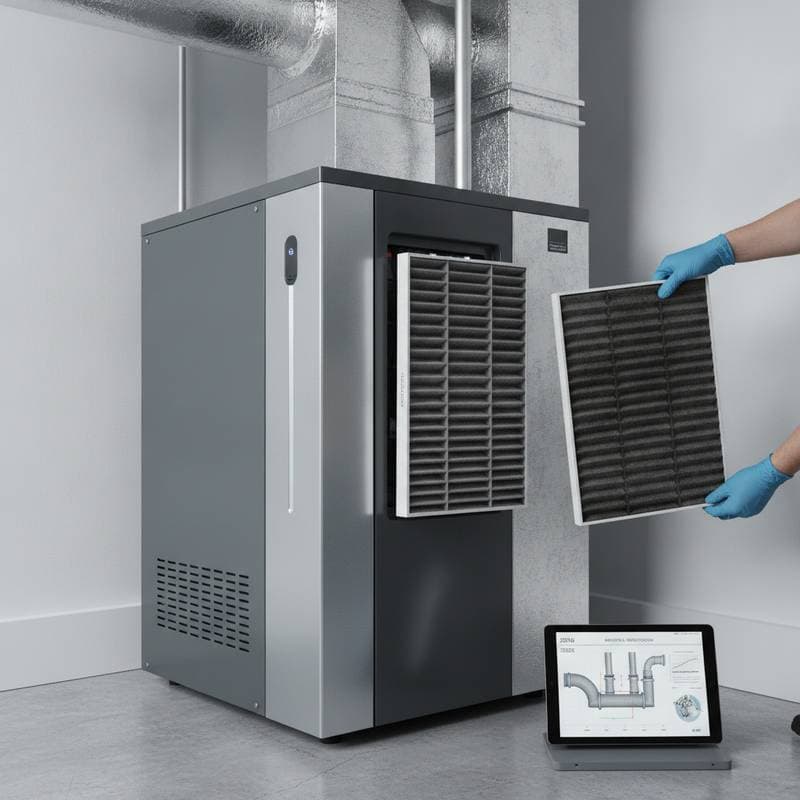
- Power off the HVAC system. This step avoids drawing dust into the ducts during the process.
- Identify the filter housing. It resides behind a return air grille or within the air handler unit.
- Extract the old filter. Remove it carefully to minimize debris dispersal.
- Verify airflow direction. Arrows on the filter frame indicate orientation toward the blower motor.
- Install the new filter. Ensure a secure fit without gaps around the edges.
- Secure the housing and restore power. Test the system briefly to confirm normal operation.
Place the used filter in a sealed trash bag to contain dust and prevent its release into the living space.
Evaluating Costs and Time Investment
A standard pleated filter ranges from 10 to 30 dollars in price. High-efficiency variants may cost up to 60 dollars, varying by size and manufacturer. Professional replacement during a maintenance visit typically incurs 75 to 150 dollars, including a full system inspection.
The DIY process consumes less than ten minutes for most setups. Even with premium filters, yearly expenses remain below 120 dollars. This outlay pales in comparison to repairing a failed blower motor or addressing a frozen coil. As HVAC contractor Jason Hart noted in a trade interview, “A ten-dollar filter can save a two-thousand-dollar compressor. The math is simple.”
Situations Requiring Professional Assistance
Most homeowners manage filter changes independently. However, specific indicators warrant expert intervention. Uneven airflow, unusual noises, or musty odors suggest issues like duct blockages, mold accumulation, or mechanical faults exceeding a simple filter problem.
Technicians measure system pressure to verify that the selected filter permits adequate airflow. Upgrading to a higher MERV rating or adopting a reusable electrostatic filter necessitates compatibility checks. Many service plans incorporate biannual visits for inspections and replacements, delivering convenience and reliability.
Resolving Frequent Filter-Related Challenges
Regular changes minimize issues, yet some persist. Consider these common situations and solutions:
- Diminished airflow post-installation: The filter might face the wrong direction or prove too restrictive. Confirm arrow alignment and MERV suitability.
- Ongoing dust near vents: Leaky ducts could introduce unfiltered air from attics or crawl spaces. Arrange for inspection and sealing.
- Persistent odors: Moisture in the filter or unit condensation fosters mildew. Replace immediately and examine drainage.
- Frequent system cycling: Thermostat misreads or rapid filter clogging may cause this. Check both elements prior to professional service.
Prolonging HVAC System Longevity
Consistent filter maintenance eases stress on components, including the fan motor and evaporator coil. Unobstructed airflow maintains even temperatures and prevents overheating. Over years, this practice extends system life by five to ten years.
Efficiency gains follow suit. Consumer Reports data shows that clean filters boost performance by up to 10 percent in heating and cooling modes. The system requires less effort for comfort, resulting in quieter function and reduced failure risks.
Integrating Broader Seasonal Upkeep
Combine filter changes with additional checks for a comprehensive maintenance strategy. During each replacement:
- Vacuum supply and return vents to remove surface dust.
- Clear vegetation and debris from outdoor condenser units.
- Test thermostat batteries and calibrate settings for accuracy.
- Seal drafts around windows and doors to support balanced airflow.
- Monitor for atypical sounds during system startup or shutdown.
These actions identify potential problems early, averting costly interventions.
Build a Sustainable HVAC Maintenance Routine
Incorporate biannual filter changes as essential tune-ups for your home’s comfort infrastructure. The investment remains modest, while advantages accumulate steadily. Clean filters safeguard air quality, curb energy demands, and ensure seamless HVAC operation.
Adherents to this schedule experience fewer service needs and consistent temperatures year-round. This practice yields tangible outcomes. Schedule the upcoming change today, whether through self-service or professional support.