Greywater Systems in 2026: Reduce Water Bills Through Effective Recycling
Homeowners increasingly seek ways to lower water bills amid rising utility rates and water scarcity in many areas. Greywater systems capture and repurpose water from household uses such as sinks, showers, and laundry, which reduces overall consumption significantly. These systems divert hundreds of gallons monthly from the sewer, easing both financial burdens and environmental strain. Evaluating the expenses, installation options, and upkeep requirements enables informed decisions tailored to specific homes and budgets.
Functions of Greywater Systems
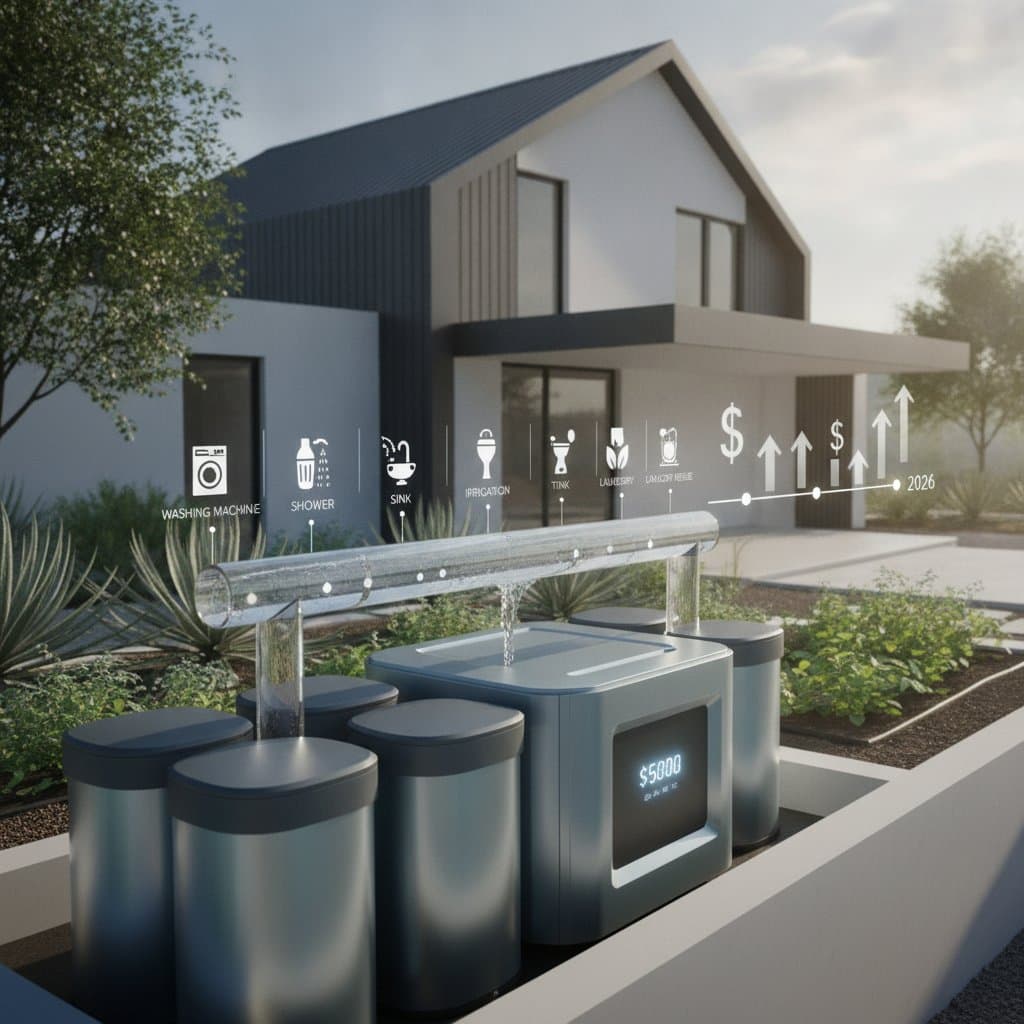
Greywater systems gather water used once in the home that remains suitable for secondary purposes, avoiding drinking or cooking applications. Sources include bathroom sinks, bathtubs, and washing machines, while toilet and kitchen wastewater stay excluded to minimize health risks. The system filters this water and routes it toward landscape irrigation, toilet flushing, or additional laundry cycles, based on the chosen configuration.
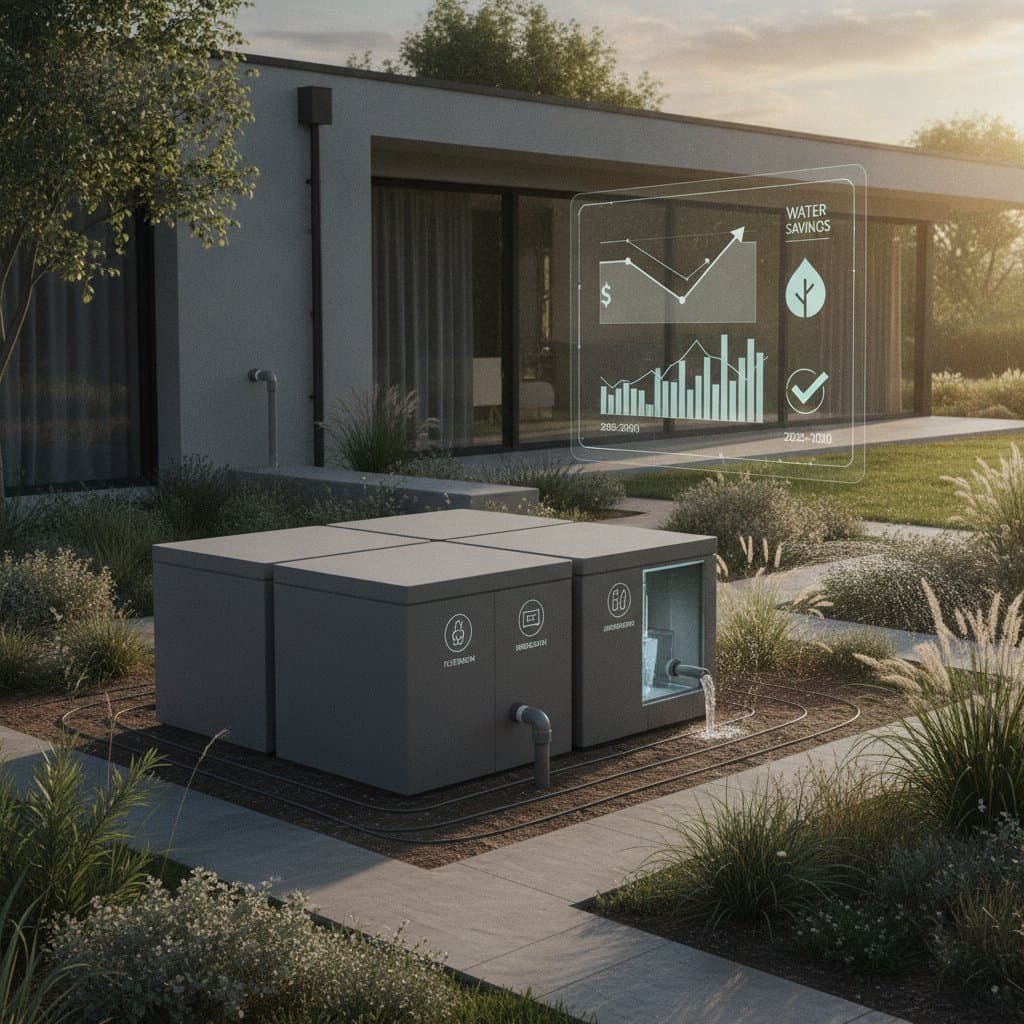
Automated versions store water in tanks with basic filtration mechanisms, while gravity-fed designs operate without electricity. Proper engineering ensures optimal performance, as the simplicity of the technology hinges on precise installation to maximize reuse efficiency and durability.
Cost Ranges for Greywater Installations
Expenses for greywater systems vary widely depending on scale, features, and installation method. Simple setups that redirect laundry water to garden beds begin at 300 to 500 dollars for materials if handled personally. Systems integrating multiple sources for broader applications, such as irrigation and indoor flushing, typically range from 2,000 to 5,000 dollars, covering pipes, filters, and professional labor.
Comprehensive whole-home solutions, including advanced treatment for varied uses, often surpass 10,000 dollars due to extensive plumbing adjustments and specialized components. Key variables include filtration quality; basic screens cost under 100 dollars, whereas advanced units with ultraviolet disinfection exceed 1,000 dollars. Additional plumbing work, like installing backflow preventers in existing structures, further influences the total outlay.
Options for DIY and Professional Setup
Individuals with plumbing knowledge may opt for do-it-yourself installation on straightforward systems, particularly those limited to laundry output. These require standard tools, diverter valves, and mulch basins to distribute water safely outdoors. Follow manufacturer guidelines to connect hoses and ensure even flow, testing the setup thoroughly before regular use.
Complex or multi-source installations demand licensed plumbers to meet safety and code standards. Experts manage tasks like trenching lines, calibrating pumps, and conducting pressure tests. Although initial costs rise with professional involvement, such approaches minimize risks of failures, such as leaks or inefficient drainage, that could lead to repairs exceeding 500 dollars.
Plumbers emphasize the need for correct pipe angles to avoid stagnation; systems with inadequate slopes foster bacterial growth and attract pests. Selecting experienced installers ensures compliance and enhances long-term reliability.
Navigating Permits and Local Rules
Most jurisdictions mandate permits for greywater projects to safeguard water quality and public safety. Regulations dictate usage limits, such as restricting surface application to prevent contamination. Contact the local building department early to review approved methods, like subsurface drip lines versus treated reuse indoors.
Incentive programs in supportive areas provide rebates up to 1,000 dollars or tax credits for qualifying installations. Submit plans and inspection reports to access these funds, which offset 20 to 50 percent of expenses. Integrating these benefits into planning accelerates return on investment.
Ongoing Maintenance and Expenses
Greywater systems demand minimal routine care to sustain performance. Clean filters monthly using a soft brush and mild soap to remove debris, replacing them annually at a cost of 50 to 200 dollars. Inspect tanks biannually for buildup, flushing with fresh water if sediment accumulates.
Powered components, such as pumps, require professional checks every three to five years, budgeting 100 to 300 dollars per service. Optional smart sensors monitor usage and alert via apps for proactive maintenance, adding 200 to 500 dollars initially but reducing downtime.
Calculating Returns and Long-Term Savings
Effective greywater setups decrease reliance on municipal water by 30 to 50 percent, yielding annual savings of 200 to 600 dollars for average households. Payback occurs within three to seven years, depending on local rates and system scope. In water-scarce zones, restrictions amplify value by preserving lawns without fines.
Greywater supplies natural nutrients to plants, often eliminating supplemental fertilizers and saving an additional 100 dollars yearly on yard care. Track monthly bills pre- and post-installation to quantify benefits and adjust usage patterns for maximum efficiency.
Selecting an Appropriate System
Assess primary needs first: irrigation-focused designs suit gardens, while flushing systems demand robust filtration. Measure available yard space and indoor access points to accommodate tanks and lines. Factor in electricity needs; gravity systems idealize off-grid properties.
Prioritize corrosion-resistant materials like schedule 40 PVC pipes and UV-stabilized plastic tanks, which endure 20 years or more. Invest in reliable seals and check valves to avert leaks, as subpar components lead to frequent replacements costing hundreds over time.
Practical Strategies for Optimal Performance
- Initiate with a single-source pilot, such as laundry diversion, to test compatibility before scaling.
- Select plant-friendly soaps free of salts or antimicrobials to protect soil health and system flow.
- Schedule quarterly visual checks of all connections and outlets to identify wear early.
- Mark non-potable lines with purple tape or signs to avoid accidental mixing with drinking water.
- Document all service dates and part replacements for rebate eligibility and troubleshooting.
Consistent adherence to these practices minimizes disruptions and extends system viability to 15 years or longer.
Sustaining Benefits Through Care
Greywater integration fortifies household resilience against escalating water demands. Regular upkeep preserves savings and ecological gains, transforming recycled water into a reliable asset. Homeowners embracing these systems contribute to broader conservation while securing financial advantages for years ahead.