What Fall Chimney Checks Cost and Why
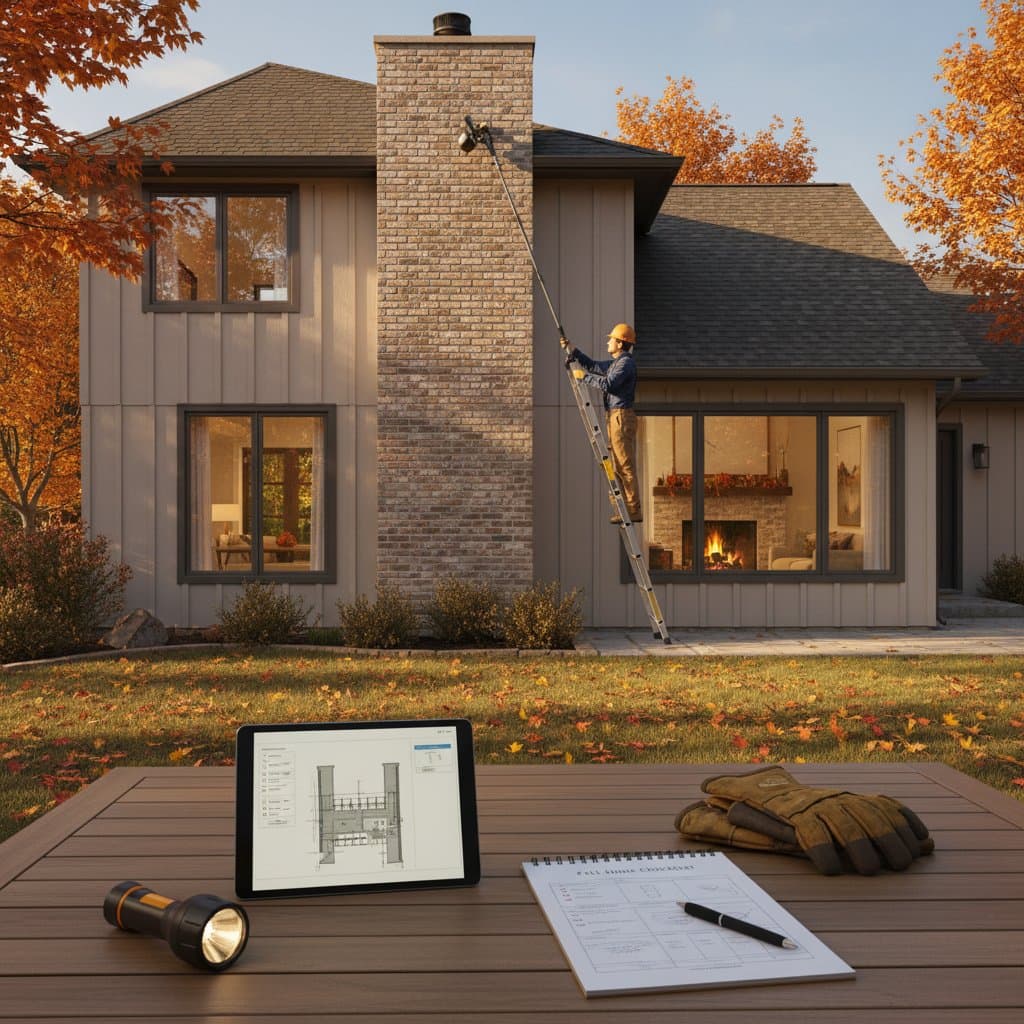
As temperatures drop and thoughts turn to cozy evenings by the fire, ensuring your chimney operates safely becomes essential. A professional fall inspection identifies potential issues such as creosote buildup, structural cracks, or blockages that could lead to fires, carbon monoxide leaks, or expensive repairs. Homeowners often seek clarity on pricing to budget effectively for this preventive measure, which ultimately safeguards their property and loved ones.
Understanding the factors that influence costs empowers you to select the right service level without overspending. Prices vary based on the inspection's depth, your home's location, and the chimney's age and condition. This knowledge helps avoid unexpected expenses during the busy heating season.
Typical Cost Range for a Fall Chimney Inspection
Expect to pay between $150 and $400 for most fall chimney inspections, though prices can climb higher for complex cases. The exact amount depends on the service type, regional labor rates, and any additional work required. For instance, homes in coastal or metropolitan areas may face 20 to 30 percent higher fees due to increased operational costs for service providers.
-
Basic visual inspection: This entry-level service typically ranges from $150 to $250. Inspectors examine the chimney's exterior, firebox, and damper for obvious damage like mortar erosion or bird nests. It suits well-maintained chimneys with recent usage history.
-
Camera or internal inspection: Priced at $250 to $350, this method employs a flexible camera probe to inspect the flue's interior lining. It uncovers hidden problems, such as internal corrosion or partial blockages, that visual checks overlook. Professionals recommend this for chimneys over 10 years old or those showing irregular burning patterns.
-
Full structural inspection: The comprehensive option costs $350 to $600 or more, especially if access involves ladders or scaffolding. It includes detailed assessments of the entire system, from the crown to the smoke chamber, often with a formal report. Reserve this for chimneys with visible leaning, water damage, or post-event evaluations like after a storm.
Other variables include chimney height and material; a two-story brick chimney demands more time than a single-story prefab unit. Some providers bundle basic cleaning with inspections for an additional $100 to $200, while standalone cleaning adds to the bill. Always request a written quote upfront to compare options across local sweepers.
Recommended Visual Aids
Incorporate these elements to enhance reader comprehension in your fall maintenance resources:
- Photo of a clean chimney flue with alt text: “Clean chimney flue after fall inspection showing clear passage for smoke.”
- Diagram of chimney parts with alt text: “Labeled chimney diagram showing cap, crown, flue, and damper.”
- Cost comparison chart showing inspection types and average price ranges with alt text: “Bar chart comparing basic, camera, and structural inspection costs.”
Such visuals illustrate inspection processes and justify the investment in professional services.
Common Questions About Chimney Inspections
Do all fireplaces need yearly checks?
Annual inspections benefit every chimney, regardless of usage frequency. Weather, wildlife, and natural settling can introduce hazards over time. Even dormant fireplaces risk sudden blockages from falling leaves or animal intrusions, which ignite dangerously upon first use.
Can I inspect the chimney myself?
Surface-level checks for exterior cracks or roof debris fall within homeowner capabilities using basic tools like binoculars. However, internal evaluations require specialized equipment and expertise to avoid risks like dislodging soot. Certified sweepers ensure thorough, safe assessments that meet building codes.
What signs mean my chimney needs cleaning?
Indicators include excessive smoke backing into the room, persistent odors of burning wood outside the fireplace, or visible creosote residue on the damper. Auditory cues, such as unusual rattling during drafts, or sightings of twigs and nests signal immediate attention. Address these before lighting the first fire to prevent chimney fires or inefficient burning.
How to Choose a Reliable Chimney Professional
Selecting a trustworthy chimney service starts with verifying credentials from organizations like the Chimney Safety Institute of America. Look for technicians with at least five years of experience and proof of liability insurance to cover potential on-site incidents. Online reviews from platforms like the Better Business Bureau provide insights into reliability and workmanship.
Request references from recent clients in your area and inquire about their process, including arrival times and post-inspection reports. Avoid providers who pressure for unnecessary upsells; a reputable one explains findings clearly and offers tailored recommendations. Schedule consultations with two or three candidates to compare estimates and communication styles.
Prioritize companies that use modern tools, such as high-resolution cameras and level-2 certification for advanced diagnostics. This ensures compliance with National Fire Protection Association standards, reducing your liability. Building a relationship with a local expert facilitates ongoing maintenance and emergency responses.
Maintaining Your Investment
Beyond the initial inspection, simple habits extend your chimney's lifespan and efficiency. Install a chimney cap to deter animals and rainwater entry, and use high-quality, seasoned firewood to minimize creosote accumulation. After each season, remove ash buildup from the firebox to promote even burning.
Monitor for subtle changes like draft variations or unusual heat loss, which may indicate emerging issues. Pair chimney care with annual HVAC tune-ups for optimal home heating performance. These steps not only lower utility bills but also enhance indoor air quality throughout winter.
Regular attention transforms your fireplace from a seasonal feature into a dependable asset. Proactive measures yield long-term savings and security, allowing you to enjoy fireside gatherings without worry.