Essential Fall HVAC Filter Replacement Guide
As autumn arrives and homes switch from cooling to heating, performing a filter replacement stands out as a vital maintenance step. This task safeguards the HVAC system, enhances indoor air quality, and helps manage energy expenses. Homeowners often overlook the filter's role, yet it directly affects the performance of blowers, coils, and ducts throughout the heating season.
Understanding HVAC Filter Costs
HVAC filter prices depend on dimensions, construction materials, and efficiency levels. Standard fiberglass filters, suitable for basic dust capture, generally cost five to twenty dollars. Pleated filters, designed to trap finer particles and endure longer use, fall between fifteen and forty dollars. Advanced options like HEPA or specialized allergen filters may cost fifty to one hundred dollars, particularly for systems in larger homes.
Costs vary by location. Urban areas with abundant suppliers often offer lower prices due to competition. In rural settings, limited access can raise expenses. Prices may increase slightly in early fall as demand grows with seasonal changes. Broader economic factors, including production expenses and logistics, also affect pricing trends.
Options for Purchasing and Service Plans
Filters come in single units, bulk packs, or subscription deliveries. Buying one at a time suits infrequent needs, though unit costs remain higher. Bulk purchases lower the price per filter and benefit regular users. Subscriptions from HVAC suppliers provide scheduled deliveries, frequently with reduced rates and no shipping fees.
Annual maintenance contracts often bundle filter changes with full inspections. These plans range from one hundred to three hundred dollars, based on system capacity and visit frequency. Technicians perform comprehensive checks during service, aligning filter swaps with overall system health. Long-term clients may qualify for discounts, especially when services cover both heating and cooling.
Service Levels and Associated Costs
HVAC filter replacement services divide into four categories.
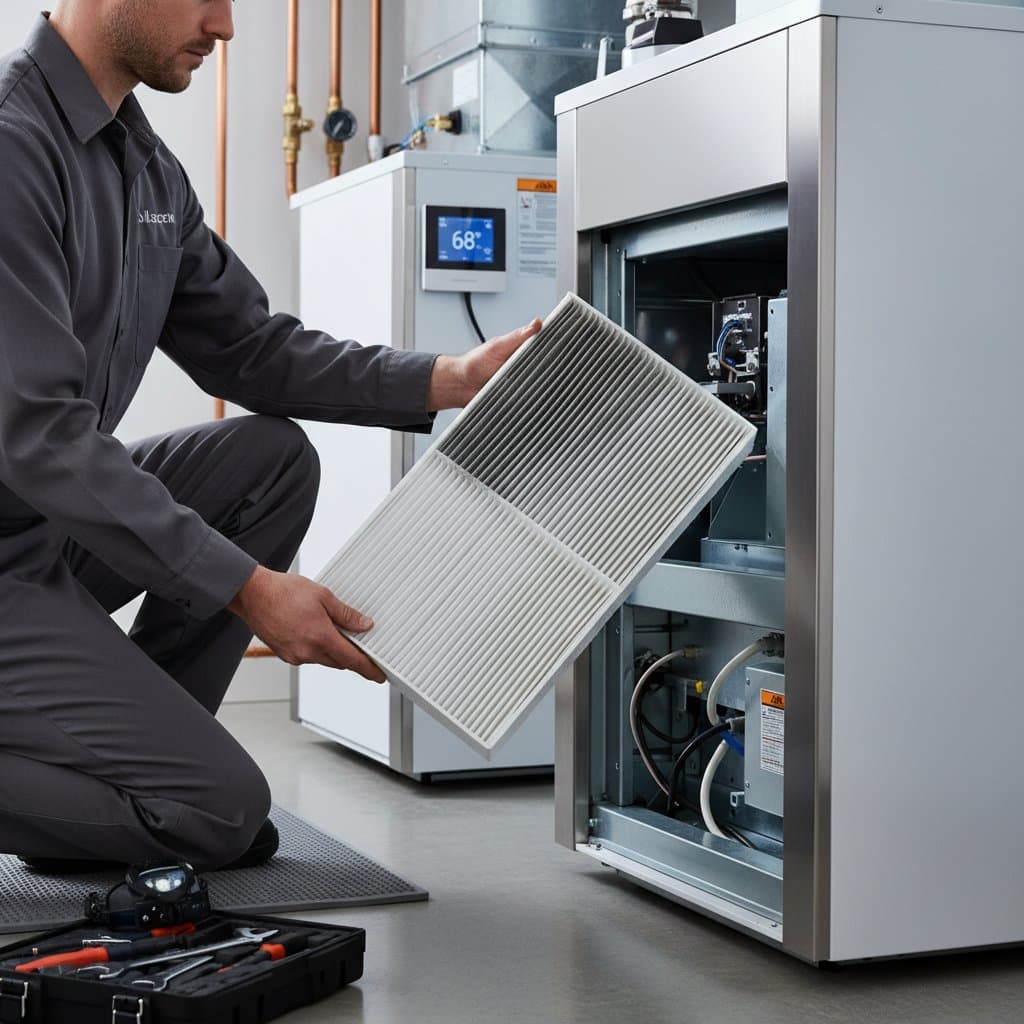
Basic replacement swaps in a standard fiberglass or pleated filter with minimal labor. This option costs twenty to fifty dollars and fits simple, routine needs.
Standard replacement installs a mid-level pleated filter, verifies airflow, and conducts a basic system review. Fees typically span sixty to one hundred dollars.
Premium replacement employs MERV 13 or superior filters, tests duct pressure, and cleans coils. Expect charges from one hundred fifty to three hundred dollars.
Customized replacement handles unique filter dimensions, advanced allergy filtration, or system adjustments. Costs can surpass four hundred dollars, appealing to those with health concerns or complex setups.
Factors Shaping Replacement Expenses
Multiple elements influence the price of an HVAC filter swap.
-
System scale and configuration. Bigger units demand larger filters with greater material needs, elevating costs. Configurations with multiple filters compound the expense.
-
Efficiency standards. The MERV rating indicates particle capture ability. Residential filters often range from MERV 8 to MERV 13. Elevated ratings improve filtration but may limit airflow, requiring careful selection for older equipment.
-
Build materials. Fiberglass provides affordability but brief service life. Pleated versions in cotton or polyester offer durability and better contaminant removal. HEPA or carbon-activated types deliver superior purification at a premium.
-
Replacement schedule. Monthly changes incur higher yearly costs than biannual ones, yet frequent swaps yield efficiency gains.
-
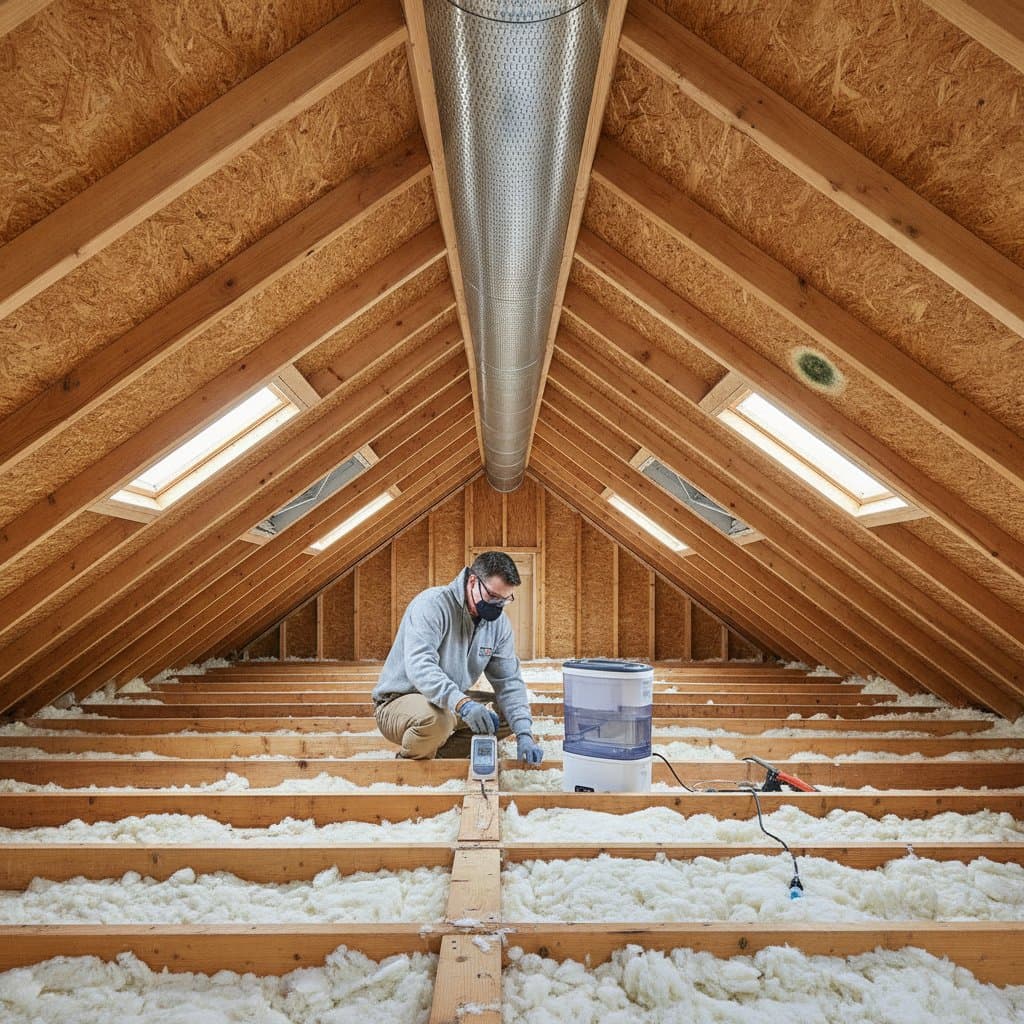
Access and labor demands. Filters in remote spots like attics add twenty to fifty dollars in labor fees.
Optional Enhancements and Fees
During fall visits, technicians suggest complementary services.
-
Duct cleaning. Clearing accumulated dust boosts circulation and performance. Fees average three hundred to six hundred dollars, scaled to home size.
-
Coil maintenance. Cleaning soiled coils restores efficiency. This adds seventy-five to one hundred fifty dollars.
-
Thermostat adjustments. Calibrating for precision and optimal settings costs around fifty dollars.
-
Rush service premiums. Urgent appointments incur twenty to thirty percent surcharges over standard rates.
These additions raise immediate costs but avert costly breakdowns. Industry data from the Air Conditioning Contractors of America indicates that eighty percent of airflow problems stem from dirty filters, underscoring preventive value.
Benefits of Consistent Filter Maintenance
Fresh filters ensure consistent airflow, minimizing strain on internal parts. Clogged ones force the system to overwork, raising energy consumption and accelerating wear. The Department of Energy reports potential fifteen percent energy savings from timely replacements, reflected in lower utility statements.
Improved filtration also elevates air purity by capturing pollen, dander, and pollutants that trigger allergies. Even heat distribution follows, eliminating uneven temperatures caused by restricted flow.
Weighing DIY Against Professional Service
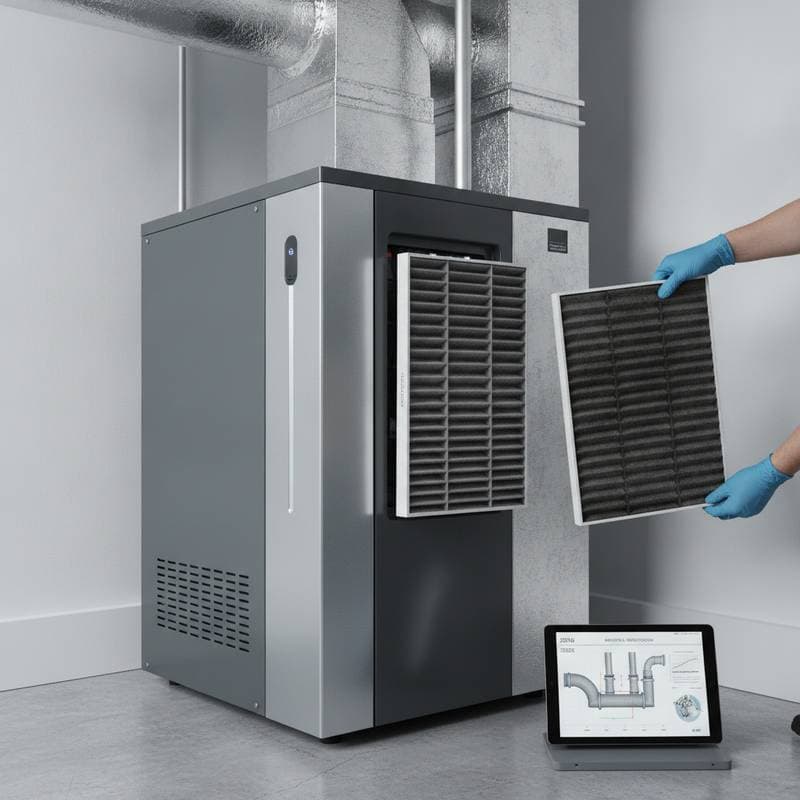
Most homeowners can replace filters independently, spending just the filter price, usually under thirty dollars. The task requires locating the unit, removing the old filter, and inserting the new one correctly, often completed in under ten minutes.
Hiring professionals incurs higher fees but delivers thorough evaluations. Experts assess motors, belts, seals, ducts, and humidity. For novices, this guidance avoids errors like improper sizing or installation that could harm the system.
Selecting an Appropriate Fall Filter
Balance filtration needs, system compatibility, and budget when choosing. Pleated filters at MERV 8 to 11 suit typical homes, controlling dust and allergens effectively without overload. Pet owners or allergy patients might opt for MERV 13 to snag smaller irritants.
Consult a technician for aging systems before selecting high-MERV options to prevent strain. Sustainable choices include washable electrostatic filters, which reduce long-term waste despite initial expense.
Optimal Timing for the Swap
Perform the replacement in early fall to clear summer buildup before heavy heating use. Monthly visual checks guide timing; swap if dirt appears, regardless of calendar intervals.
Steps to Implement Your Filter Routine
Initiate the fall swap to secure system reliability, trim expenses, and purify home air. Opt for DIY simplicity or professional expertise based on comfort level. Stock extras, schedule alerts, and integrate this into broader home upkeep for sustained advantages.