Fall Filter Swaps: Reduce HVAC Energy Costs by 15 Percent
When autumn arrives and temperatures drop, the HVAC system shifts from cooling to heating duties. Homeowners often overlook the filter, yet this small component plays a crucial role in system efficiency and indoor air quality. A timely filter replacement in the fall prepares the system for demanding winter operation, ensuring optimal performance and lower utility bills.
Importance of Fall Filter Replacements
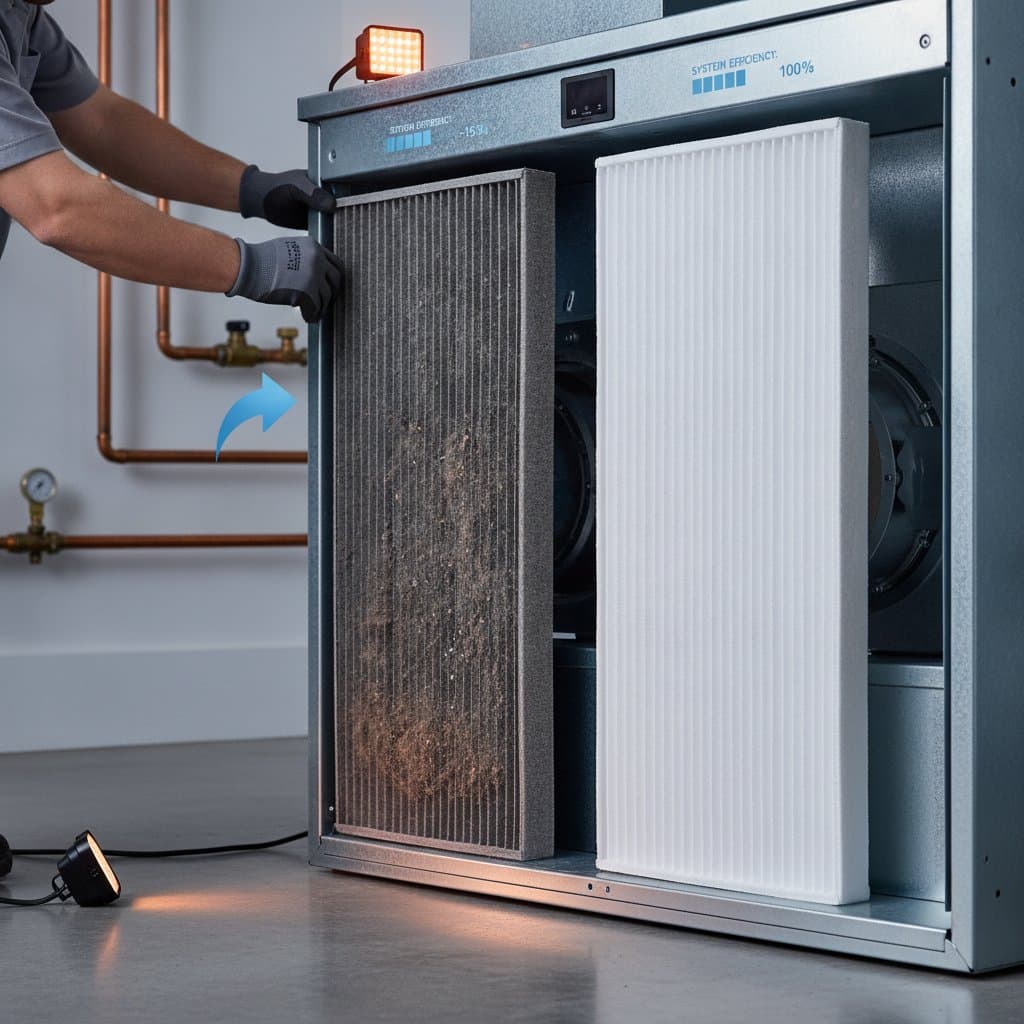
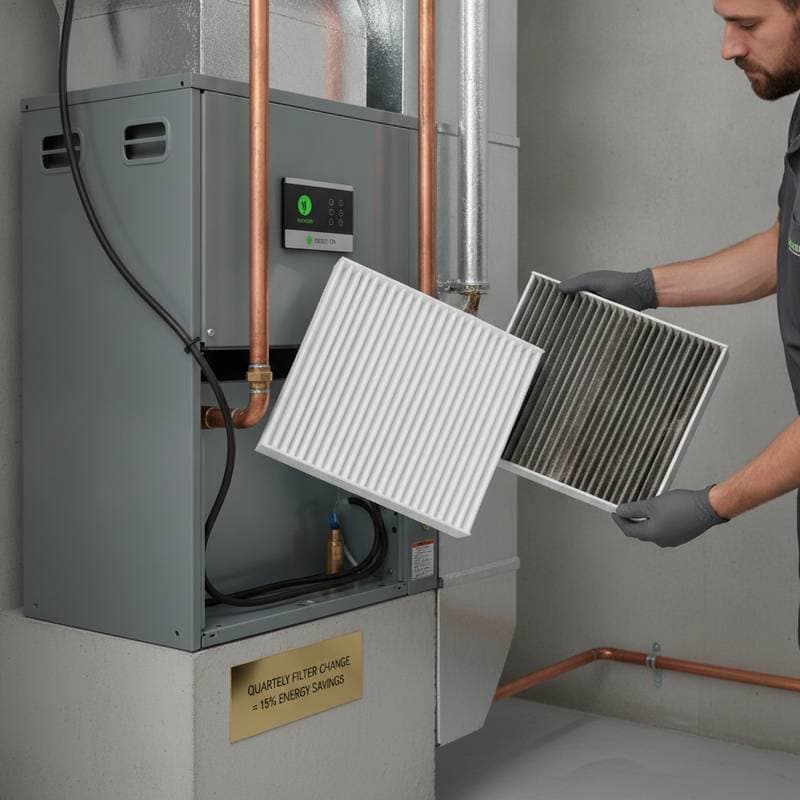
Summer activities generate dust, pollen, and debris that accumulate on filters over months of use. As heating begins, a clogged filter restricts airflow, compelling the blower motor to strain against resistance. This increased workload elevates energy consumption by up to 15 percent and accelerates wear on critical parts like the motor and heat exchanger. Regular replacement maintains unrestricted air movement, promotes uniform heating, and extends equipment longevity.
In addition to cost savings, clean filters improve air quality by trapping contaminants before they circulate. Families with children or elderly members benefit from reduced exposure to irritants, fostering a healthier home environment during the indoor-heavy winter season.
Recommended Replacement Schedule
Standard pleated filters require replacement every 60 to 90 days under normal conditions. Households with pets, allergy sufferers, or proximity to dusty environments should inspect and replace every 45 days to sustain performance. High-efficiency filters featuring extended pleats may last up to 120 days, provided monthly visual checks reveal no significant accumulation.
To assess filter condition, hold it against a light source. Clear visibility through the pleats indicates adequate cleanliness; opacity signals the need for immediate replacement. Establishing a monthly inspection routine prevents unexpected clogs and associated efficiency losses.
Selecting the Appropriate Filter for Autumn Use
Filters are rated by MERV, which stands for Minimum Efficiency Reporting Value, indicating particle capture capability. A MERV 8 to 11 rating suits most residences, offering effective filtration without excessive airflow restriction. For individuals with asthma or sensitivities, MERV 12 or 13 filters target finer particles such as viruses and mold spores, though compatibility with the HVAC system must be verified to avoid strain.
Consult the system manual or a professional to determine maximum MERV tolerance. Oversized ratings can reduce airflow in standard units, leading to uneven heating and higher energy use. Balance filtration needs with system design for optimal results.
| MERV Rating | Particle Size Captured | Best For |
|---|---|---|
| 6 to 8 | Dust, lint, pollen | Standard residential use |
| 9 to 11 | Pet dander, fine dust, mold | Homes with pets or mild allergies |
| 12 to 13 | Smoke, bacteria, viruses | Allergy-sensitive households |
| 14+ | Microscopic contaminants, ultra-fine | Specialized or commercial systems |
Guide to Replacing Your HVAC Filter
Follow these steps for a safe and effective filter change:
- Power down the HVAC system at the thermostat and breaker to halt operation and avoid drawing in loose particles.
- Identify the filter compartment, typically accessible via a slot in the return air duct or within the furnace housing.
- Remove the old filter and note its dimensions, such as 16x25x1 or 20x30x1 inches, printed on the frame edge.
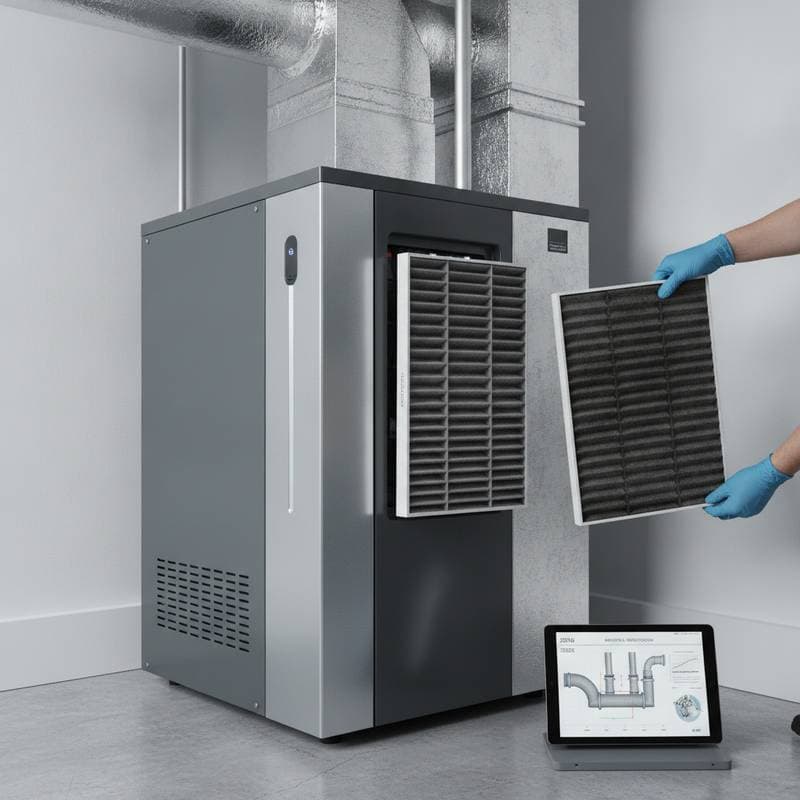
- Slide the new filter into place, aligning the airflow direction arrow toward the furnace blower, away from the incoming air side.
- Close the access panel securely, restore power, and listen for smooth operation without unusual noises.
This process demands minimal time, often under five minutes, and basic tools like a flathead screwdriver for panel removal. Perform the task with the system off to prioritize safety.
Pitfalls to Sidestep During Replacement
Avoid attempting to clean and reuse a heavily soiled filter, as vacuuming fails to restore full capacity and may damage the media. Ensure a precise fit to prevent air leaks that diminish filtration effectiveness. Select a MERV rating appropriate for your equipment; excessive resistance in aging systems causes overheating and inefficiency.
Delaying replacement until deep winter exacerbates strain during peak demand. Proactive swaps in early fall align with seasonal transitions, preserving comfort and reducing repair risks.
Adaptations for Accessibility and Optimal Airflow
Individuals with limited mobility can benefit from HVAC setups featuring side-access filter slots at waist height, minimizing bending or ladder use. Upgrading to models with easy-open latches simplifies maintenance for all users.
Integrate smart technology, such as thermostats that monitor differential pressure across the filter. Alerts notify users of rising resistance, prompting timely action. Proper airflow management also regulates humidity levels, preventing issues like dry skin or static buildup in energy-efficient homes.
Indicators for Professional Assistance
Persistent problems, including frequent on-off cycling, uneven room temperatures, or visible dust on surfaces post-replacement, warrant expert evaluation. A certified technician employs tools like anemometers to quantify airflow in cubic feet per minute, diagnosing issues such as ductwork leaks or motor inefficiencies.
Annual tune-ups complement filter maintenance, uncovering hidden problems before they escalate into costly breakdowns.
Establish a Reliable Maintenance Routine
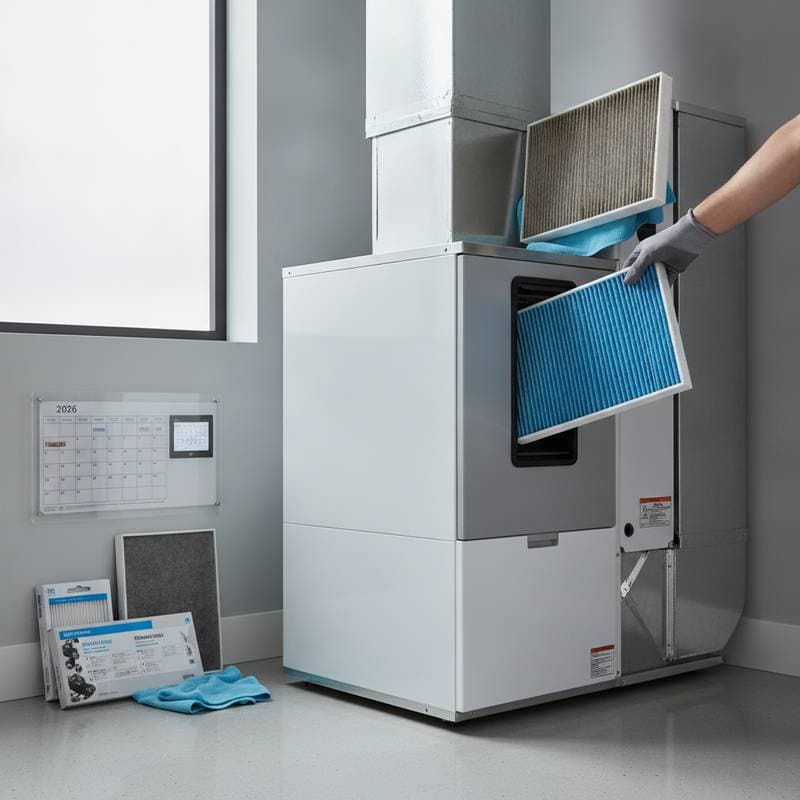
Incorporate filter replacement into your seasonal checklist alongside gutter cleaning and thermostat adjustments. Label each new filter with the installation date using a permanent marker, and keep spares in a convenient storage spot. Digital calendar reminders ensure adherence, transforming upkeep into a seamless habit.
Consistent attention to this detail yields cleaner air, reliable heating, and measurable savings on energy bills throughout the season.