Understanding Greywater Systems
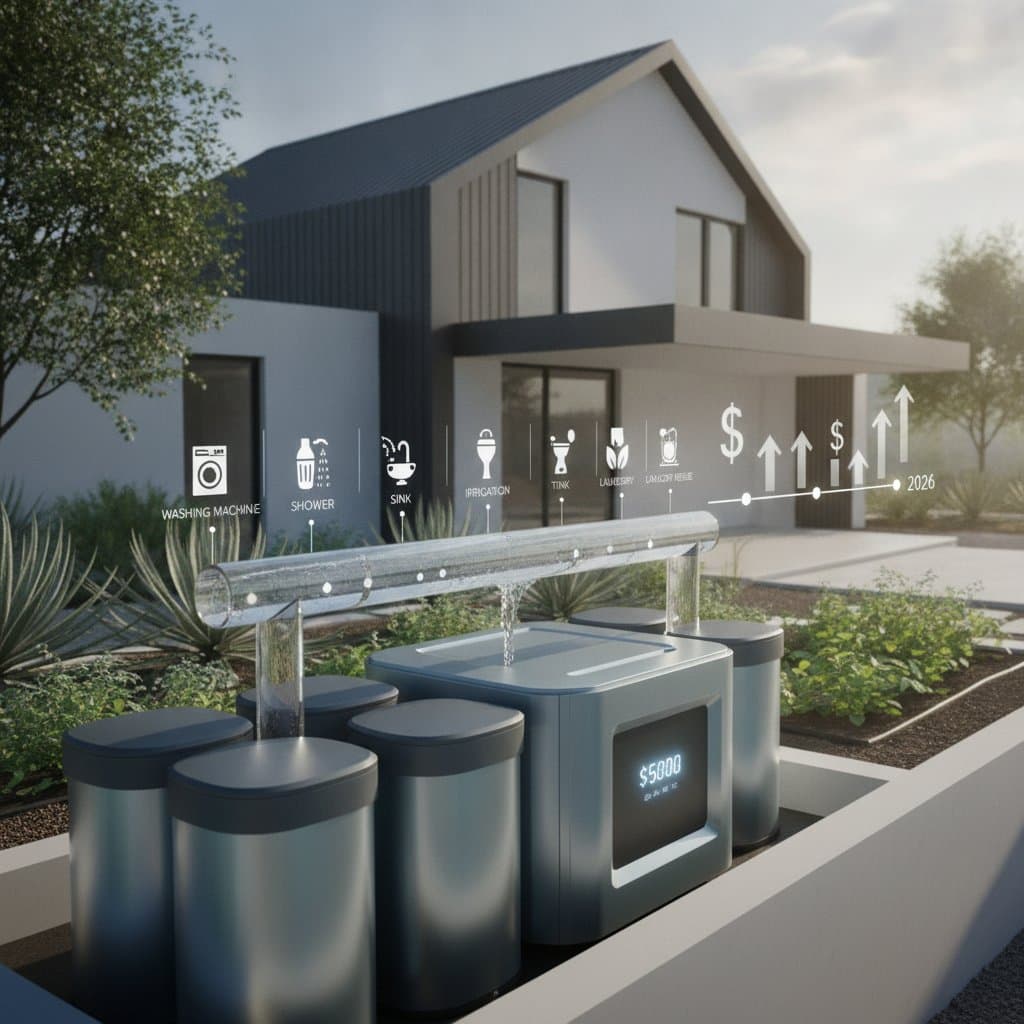
Greywater refers to wastewater from sinks, showers, bathtubs, and washing machines, excluding toilet waste. These systems collect and treat this water for non-potable uses such as garden irrigation or toilet replenishment. By diverting greywater from sewers, households conserve fresh water resources while lowering utility expenses.
Installation varies by system type, from basic setups that redirect laundry water directly to plants to advanced configurations with filtration and storage. Local climate and water needs influence the best choice. Proper design ensures safe reuse without risking soil or plant health.
Types of Greywater Systems
Simple systems suit smaller homes or budgets. For instance, a laundry-to-landscape setup channels washing machine outflow through hoses to nearby landscaping, requiring minimal equipment. Gravity-fed systems route water from multiple fixtures to a central point for outdoor use, relying on natural slope without pumps.
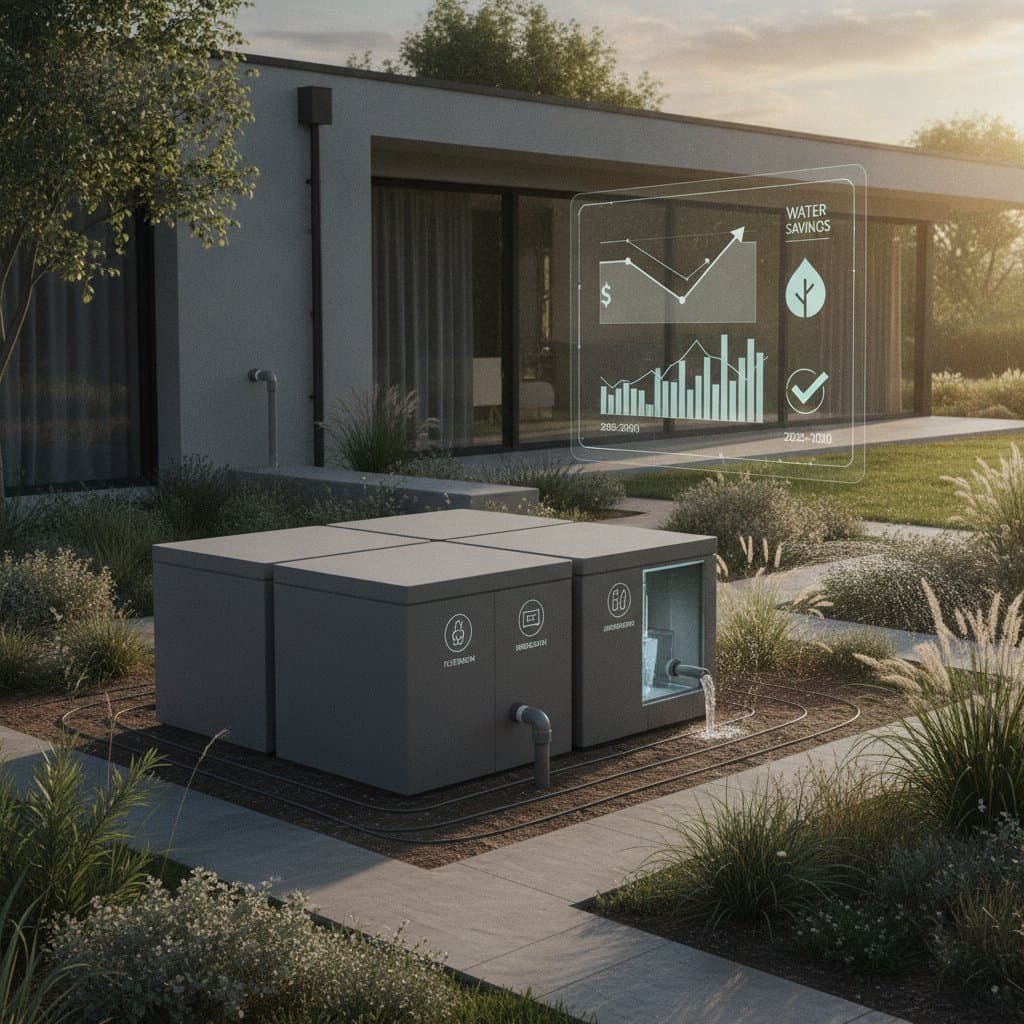
More elaborate options include branched drain systems that split greywater from plumbing lines before it reaches the sewer. Treatment systems with storage tanks filter and store water for broader applications, such as indoor flushing. Pressurized variants use pumps to distribute treated water across larger properties.
- Laundry-to-landscape: Basic diversion for irrigation.
- Branched drain: Collects from various sources via plumbing modifications.
- Pumped or full treatment: Advanced filtration for storage and versatile reuse.
Each type balances cost, complexity, and efficiency. Assess your household's water production, typically 20 to 50 gallons per person daily from greywater sources, to select appropriately.
Installation Considerations
Begin with a site evaluation to confirm feasibility. Check soil percolation rates for irrigation systems, as clay-heavy ground may require additional drainage. Review local plumbing codes, which often mandate separation from blackwater and backflow prevention.
Permits vary by jurisdiction. Some areas classify simple systems as exempt, while others demand engineering plans for anything involving tanks or pumps. Contact your building department early to outline requirements and avoid delays. Professional surveys can identify optimal placement, such as downhill from the home for gravity flow.
DIY installation works for straightforward designs using off-the-shelf kits. Follow manufacturer guidelines precisely, testing connections for leaks before full operation. For complex setups, professional involvement ensures compliance and longevity.
- Treatment system with storage: Complex, professional installation recommended.
When to Hire a Professional
Certain projects exceed typical DIY skills. Engage a licensed plumber or greywater specialist when connecting multiple sources, incorporating storage tanks or pumps, navigating strict local regulations, or integrating with existing irrigation or indoor plumbing.
Experts possess knowledge of regional codes and can facilitate smooth inspections. They calculate system capacity based on your daily water output and reuse goals, preventing undersized or inefficient designs. Initial consultations often reveal hidden challenges, such as elevation issues or electrical needs for pumps.
Cost and Value Comparison: DIY vs Professional Installation
Expenses depend on system scale and features. Basic kits start affordably, but add-ons like filters or pumps increase totals. Factor in potential rebates from water districts, which can offset 20 to 50 percent of costs in water-scarce regions.
| Type | DIY Cost Range | Professional Cost Range | Notes |
|---|---|---|---|
| Laundry-to-landscape | $400 - $1,200 | $700 - $2,000 | Simple system with direct irrigation |
| Whole-home gravity | $1,500 - $3,500 | $3,000 - $6,000 | Requires rerouting drain lines |
| Pressurized with storage | $4,000 - $8,000 | $7,000 - $15,000 | Includes advanced filtration and pumps |
DIY approaches save upfront but risk errors leading to leaks or contamination. Professionals provide warranties and code assurance, often recouping costs through avoided repairs.
Maintenance and Upkeep
Routine care sustains system performance. Inspect filters every three months, cleaning or replacing as needed to maintain flow. Flush storage tanks annually to eliminate sediment buildup, using a hose or dedicated drain.
Disinfection components, such as UV lights, require bulb changes yearly. Monitor for signs of trouble like odors or discoloration, which indicate clogs or stagnation. Integrate checks with yard maintenance schedules for consistency.
Homeowners report that diligent upkeep extends system life beyond 15 years. Track activities in a log to predict part replacements and demonstrate compliance during inspections.
Common Issues and Troubleshooting
Problems arise occasionally but respond well to prompt action. Address foul odors by flushing lines and scrubbing filters to remove stagnant water. Low flow often stems from clogged emitters; clear them with a soft brush or vinegar solution.
Pump issues may involve power supply checks or intake cleaning. Discolored water signals filter exhaustion or bacterial growth; swap media and sanitize components. Persistent faults warrant professional valve and seal inspections.
Preventive measures, like seasonal deep cleans, reduce downtime. Keep spare parts on hand for quick fixes, ensuring uninterrupted operation.
Environmental and Community Benefits
Greywater reuse eases pressure on public water infrastructure. Each conserved gallon decreases demand on treatment facilities and aquifers. In drought-prone areas, this practice preserves communal supplies during shortages.
The Environmental Protection Agency notes that household recycling can boost local water availability by up to 30 percent in dry periods. Greywater's natural nutrients, from soaps and organics, enrich soil without synthetic fertilizers, promoting healthier gardens.
Communities benefit from collective adoption, lowering overall consumption and supporting biodiversity. Homeowners contribute to resilience against water scarcity while enjoying lush landscapes year-round.
Maximizing Long-Term Returns
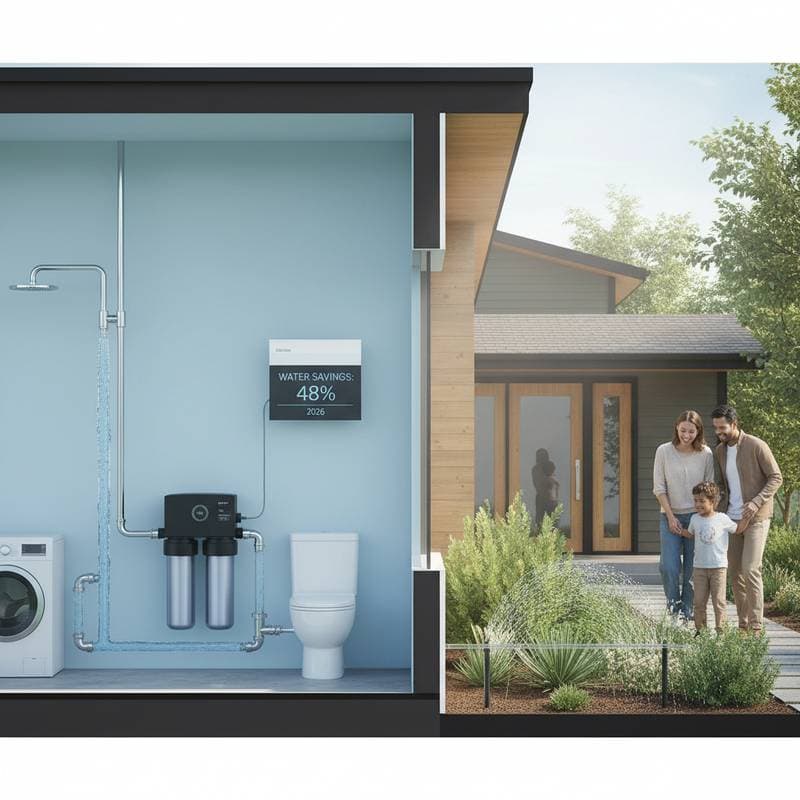
Pair greywater systems with complementary efficiencies, such as low-flow showerheads or smart irrigation controllers, to amplify savings. Track utility bills quarterly to measure impact, often seeing 30 to 50 percent reductions within the first year.
Investments typically break even in three to five years, depending on usage and local rates. Beyond finances, these systems foster self-sufficiency and environmental stewardship. Select a design aligned with your needs, commit to maintenance, and reap sustained rewards in cost savings and resource conservation.