Prepare Your Chimney and Fireplace for Safe Fall Fires
A crackling fire creates a welcoming atmosphere during cooler months. Homeowners often overlook the importance of seasonal maintenance for fireplaces and chimneys. Proper preparation prevents dangerous buildup, ensures efficient burning, and protects your home from potential hazards.
Neglected chimneys accumulate creosote, a flammable residue from wood smoke. This substance poses a significant fire risk if not addressed. Regular cleaning and inspection allow for safe, enjoyable use throughout the season.
Essential Inspection and Cleaning Steps
Begin with a thorough visual check to identify issues early. These steps guide you through the process, from exterior examination to professional assistance.
-
Examine the chimney exterior. Circle your home and inspect for cracks in the masonry, missing or damaged bricks, and any signs of structural tilt. Such damage allows water infiltration, which accelerates deterioration. Document findings with photographs for reference during repairs.
-
Verify the chimney cap condition. This protective cover blocks debris, animals, and precipitation from entering the flue. Ensure it fits securely; replace any damaged or absent cap to avoid blockages and water damage.
-
Inspect the flue and damper mechanism. Fully open the damper and use a bright flashlight to peer inside the flue. Look for excessive soot, creosote layers, bird nests, or other obstructions that impede airflow. A restricted flue leads to smoke backup and increased fire danger.
-
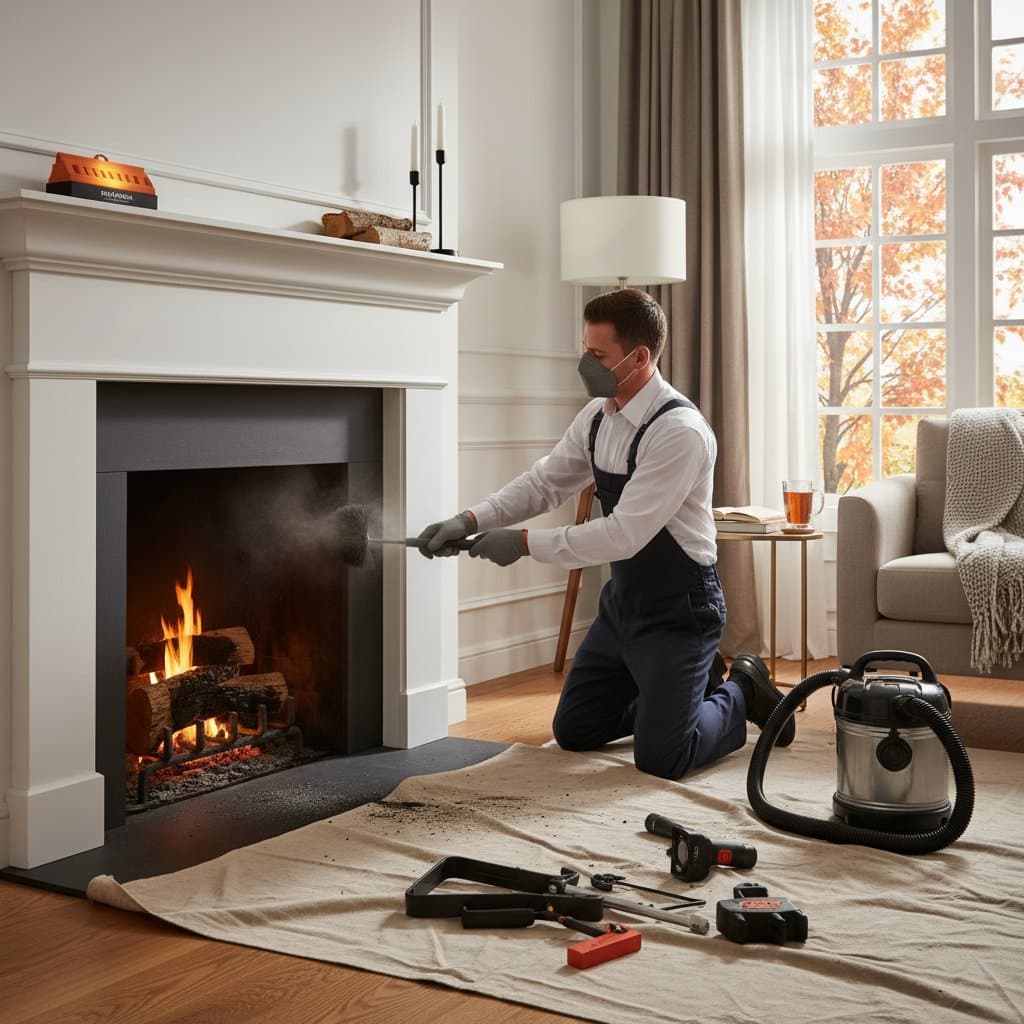
Clear the firebox of debris. Scoop out accumulated ashes and remnants from previous burns using an ash shovel and metal container. Employ an ash-rated vacuum for fine particles. Avoid standard vacuums, as lingering embers may ignite and cause injury.
-
Test all safety detectors. Install smoke and carbon monoxide alarms in proximity to the fireplace and on every level of your home. Change batteries annually and activate the test function to confirm operational status.
-
Arrange for professional service. Qualified chimney technicians employ cameras and rotating brushes to access the entire flue length. They detect hidden cracks, deteriorating mortar, and draft problems that DIY methods miss. Annual professional visits provide peace of mind, especially for frequently used fireplaces.
Select Fuels That Promote Safety and Efficiency
Fuel choice influences burn quality, emissions, and residue formation. Opt for seasoned hardwoods such as oak, hickory, or maple, which dry for at least six months to reduce moisture content below 20 percent. These woods ignite steadily, produce intense heat, and generate less creosote than alternatives.
Steer clear of green or unseasoned wood, which smokes heavily and deposits thick tar layers. Softwoods like pine create excessive sparks and resin buildup. Prohibit the burning of household waste, painted lumber, or pressure-treated materials, as they emit toxic fumes and accelerate chimney corrosion.
Store firewood off the ground in a sheltered location with adequate spacing for air circulation. Maintain a reserve supply indoors to keep it dry and accessible. For convenience, choose manufactured fire logs certified for fireplace use; adhere strictly to package guidelines for optimal results.
Understand Costs and Long-Term Savings
Investing in maintenance yields substantial returns through hazard prevention and longevity. Basic cleaning sessions typically range from moderate fees, far below the expense of fire restoration or structural overhauls.
Consider these service options and their advantages:
| Service Type | Average Cost Range | Key Benefits |
|---|---|---|
| Basic Cleaning | Low | Eliminates creosote and improves draft |
| Chimney Cap Installation | Low | Blocks debris and weather intrusion |
| Flue Liner Repair | Medium | Enhances safety and heat retention |
| Complete Rebuild | High | Ensures full structural integrity |
Prompt attention to minor issues keeps expenses minimal. For instance, a cap installation prevents costly water damage repairs. Over time, diligent care extends chimney lifespan and reduces insurance claims related to fire incidents.
Implement Your Fall Maintenance Plan
Schedule inspections well before the first cold snap arrives. Combine DIY efforts with expert input for comprehensive coverage. Track maintenance dates in a home log to maintain consistency year after year.
This proactive approach transforms your fireplace into a reliable heat source. Families benefit from reduced allergens, lower heating bills, and the simple joy of a well-tended fire. Safe preparation ensures that fall gatherings remain warm and incident-free.