Understanding Greywater System Costs and Permits
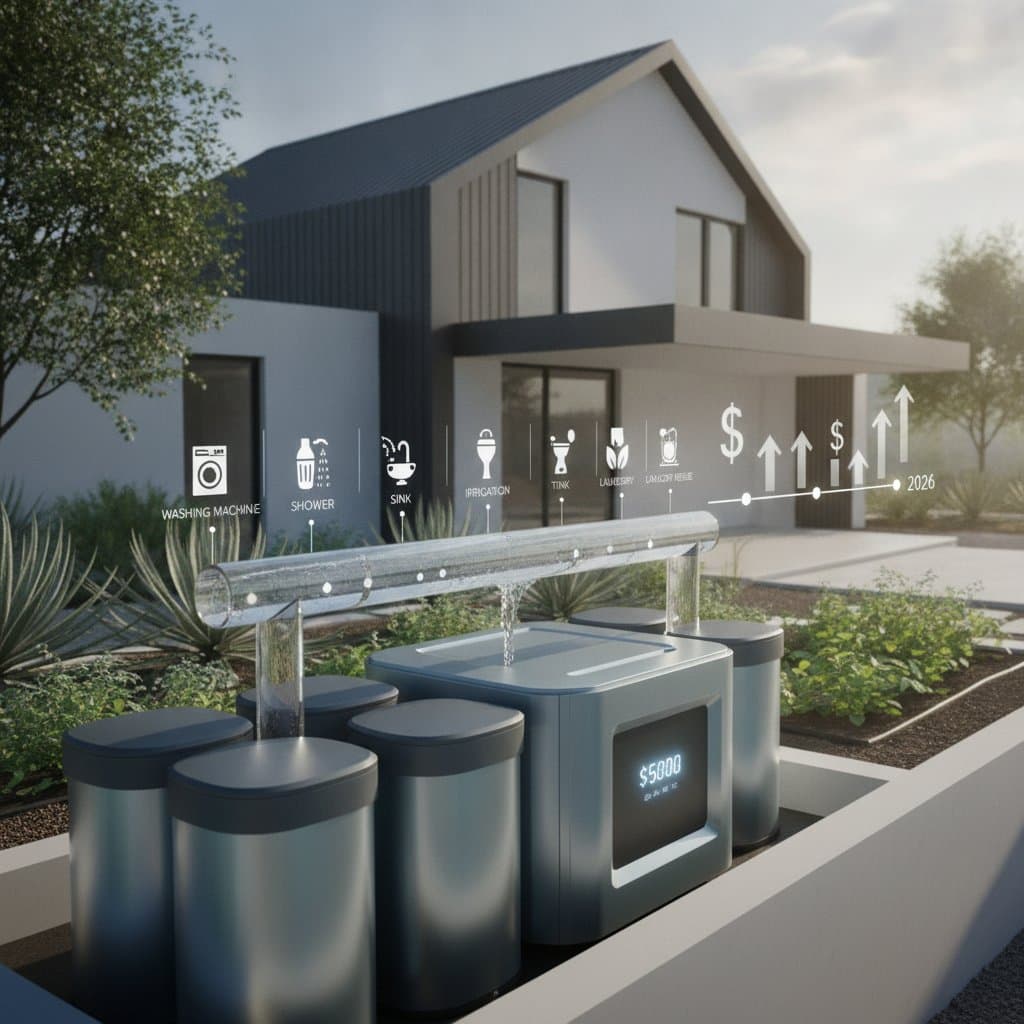
Greywater systems represent a practical solution for households aiming to minimize water waste and lower utility expenses. These systems recycle water from sources such as showers, sinks, and laundry machines for uses like landscape irrigation or toilet flushing. Homeowners benefit from installing such systems through careful financial planning and adherence to local permit requirements. Awareness of cost-influencing factors enables informed choices that align environmental advantages with budgetary constraints.
Core Elements of Greywater Costs
Homeowners typically invest between 1,500 and 5,000 dollars for a basic greywater system installation. This range encompasses simple single-tank configurations for garden watering up to comprehensive filtration and distribution setups for whole-home applications. Prices fluctuate nationwide based on regional labor costs, plumbing regulations, and available water conservation rebates. Urban areas often incur elevated expenses due to rigorous permitting and premium labor rates, whereas rural locations may experience reduced costs offset by potential supplier delivery charges.
Seasonal factors play a role in pricing dynamics. Peak summer demand, coinciding with heightened water usage, prompts plumbers and installers to apply surcharges. Broader economic pressures, including inflation or shortages of materials like PVC pipes and filters, can elevate system prices. Expanding sustainability programs in certain regions provide rebates that mitigate upfront costs, easing the financial commitment for participants.
Common Pricing Approaches
Installers employ diverse pricing strategies for greywater projects. Hourly billing prevails in some cases, with rates spanning 75 to 150 dollars based on the professional's qualifications and certifications. Flat fees dominate for routine installations, allowing accurate forecasting of labor and materials.
Project-based packages bundle design, components, and setup into one comprehensive quote, ideal for those seeking budget certainty. Modular or tiered options enable customization, from essential to sophisticated automated variants. Maintenance subscriptions are gaining traction, encompassing routine inspections, filter replacements, and efficiency evaluations. Although initial purchases seem more economical, these ongoing plans prolong equipment durability and uphold compliance standards.
Service Levels and Associated Costs
Greywater offerings divide into distinct tiers, each with defined price ranges:
- Basic Configurations: These redirect water from laundry or sinks to gardens via elementary filtration. Expect costs of 1,500 to 2,000 dollars for setup.
- Standard Configurations: Tailored for modest residences, featuring enhanced filtration and automated pumps. Pricing falls between 3,000 and 4,000 dollars.
- Premium Configurations: Encompassing full-home recycling with controls and storage, these command 5,000 to 8,000 dollars.
- Custom or Specialized Configurations: Engineered for expansive estates or business applications, expenses surpass 10,000 dollars contingent on technical demands and reuse objectives.
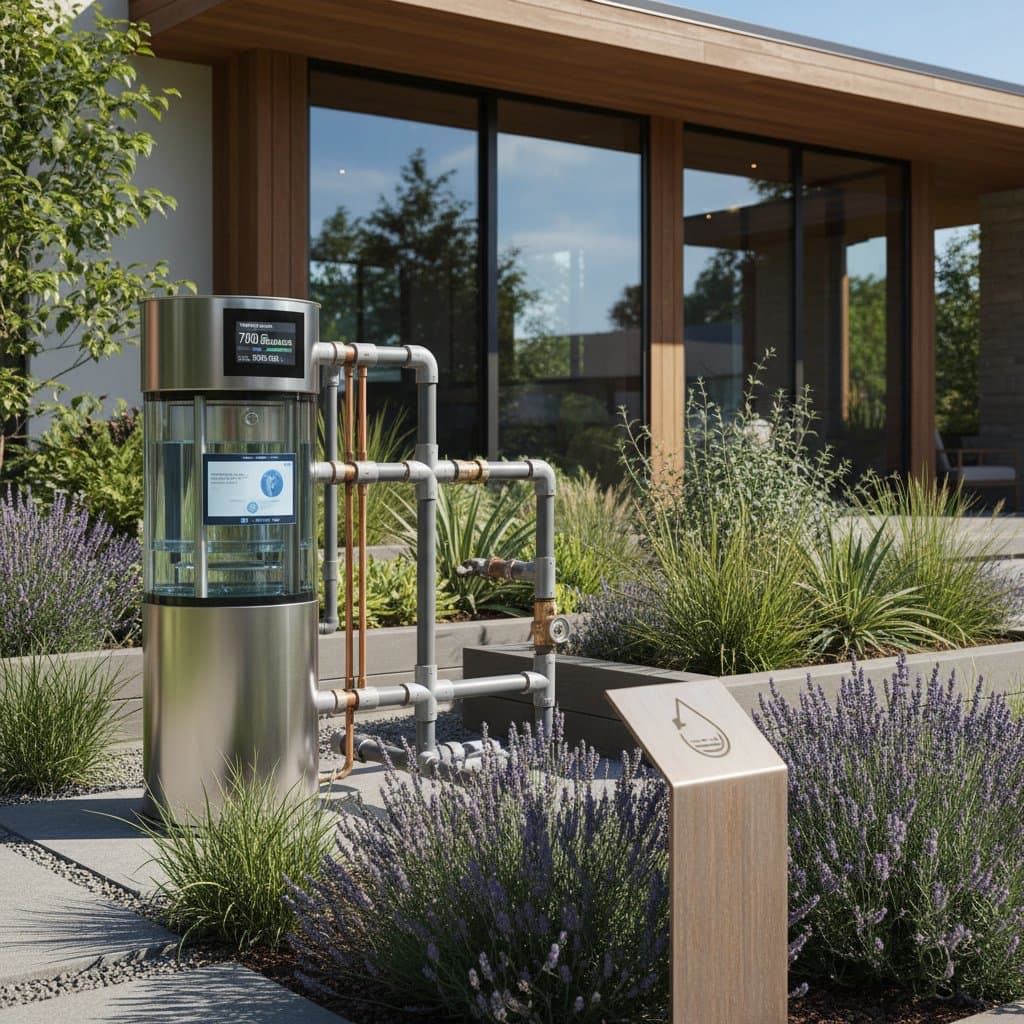
Experts advise pairing greywater setups with rainwater harvesting to optimize performance. Such integration, despite added expense, substantially diminishes reliance on treated water, fostering enduring savings.
Factors Shaping Overall Expenses
Property scale and reuse ambitions dictate system architecture and costs. A modest unit for one bathroom incurs far lower charges than an extensive network across a spacious dwelling. Installation intricacy further impacts pricing; trenching, structural alterations, or plumbing mergers necessitate expert intervention and extended timelines.
Project duration influences labor fees, with straightforward jobs spanning one to three days and complex ones reaching a week. Component quality varies expenses: durable options like stainless steel filters or robust plastics endure longer yet inflate starting investments. Regulatory mandates for backflow safeguards or electrical setups contribute to material and approval outlays.
Supplementary Services and Fees
Additional offerings extend beyond core installation and affect totals:
- Permit Acquisition Costs: Municipalities levy 100 to 500 dollars for approvals. Post-installation inspections in select areas incur extra charges.
- Site Evaluation: Soil testing for irrigation viability averages 200 dollars.
- Quality Assurance: Yearly water analysis or monitoring devices range from 200 to 400 dollars annually.
- Rush Scheduling: Prioritized timelines can increment labor by up to 20 percent.
Maintenance agreements warrant consideration, priced at 200 to 600 dollars yearly for servicing, repairs, and assessments. Firms such as Water Wise Homes and GreyFlow Systems note that subscribed clients encounter reduced failures and extended operational periods.
Financial and Ecological Advantages
Implementing greywater recycling slashes freshwater consumption by up to 40 percent, yielding tangible reductions in utility payments amid escalating rates. The Environmental Plumbing Association indicates that typical households recover investments in five to seven years via bill decreases. Moreover, these installations enhance real estate appeal by demonstrating eco-conscious practices and regulatory alignment.
Participants appreciate the broader ecological impact, alleviating pressure on public water supplies and advancing community conservation efforts. Certain insurers provide modest premium discounts for verified efficient systems, acknowledging diminished risk profiles.
Navigating Permits and Regulations
Securing approvals precedes any greywater project to verify alignment with plumbing and ecological standards. Jurisdictions demand detailed schematics outlining sources, outlets, and treatments. Certified professionals manage paperwork to streamline the process.
Approval timelines vary by system scale; basic diversions often receive expedited clearance, while advanced models undergo thorough scrutiny. On-site verifications post-installation ensure functionality and safety in many locales. Collaborating with regulation-savvy contractors prevents delays and penalties, including fines or mandated decommissions.
Steps to Launch Your Greywater Project
Begin by assessing household water patterns to identify viable recycling sources. Consult local authorities for permit guidelines and rebate opportunities. Select a certified installer experienced in your region's codes to develop a tailored plan.
Budget for the full scope, including add-ons and maintenance, to avoid surprises. Proceed with installation once approvals clear, followed by routine monitoring for optimal results. This approach secures a resilient system that delivers sustained savings and sustainability.