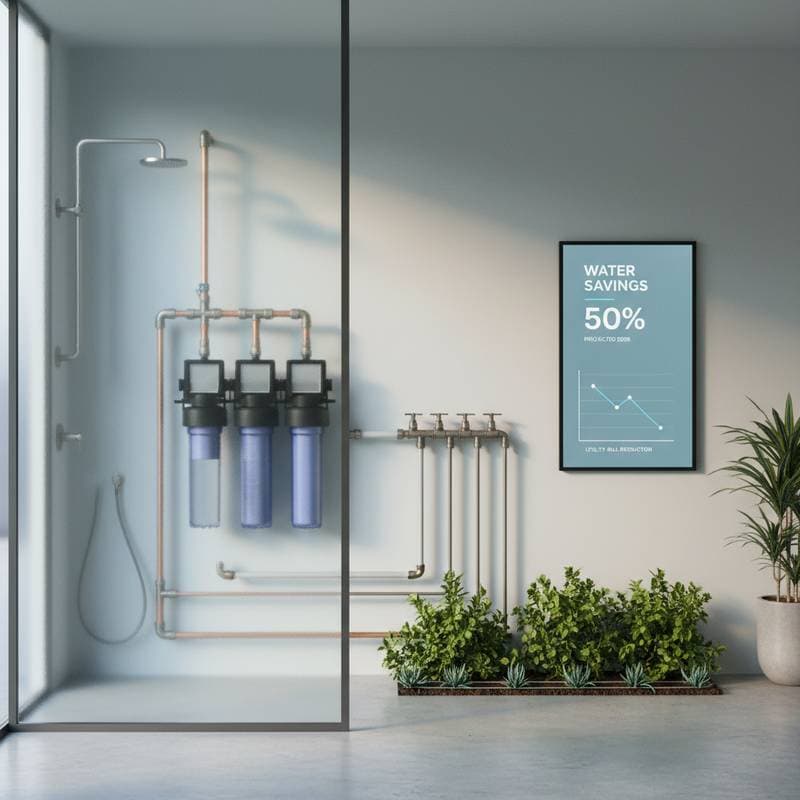
2026 Greywater Installation: Costs, Permits, and Savings
Homeowners increasingly focus on efficient water management, and greywater systems offer a practical solution to lower utility expenses while advancing sustainable practices. These systems capture mildly contaminated water from sources like sinks, showers, and laundry appliances, then filter it for reuse in garden watering or toilet flushing. The outcome includes substantial decreases in water consumption and greater home independence. Prior to installation, evaluate expenses, regulatory processes, and potential financial returns.
Defining Greywater and Its Importance
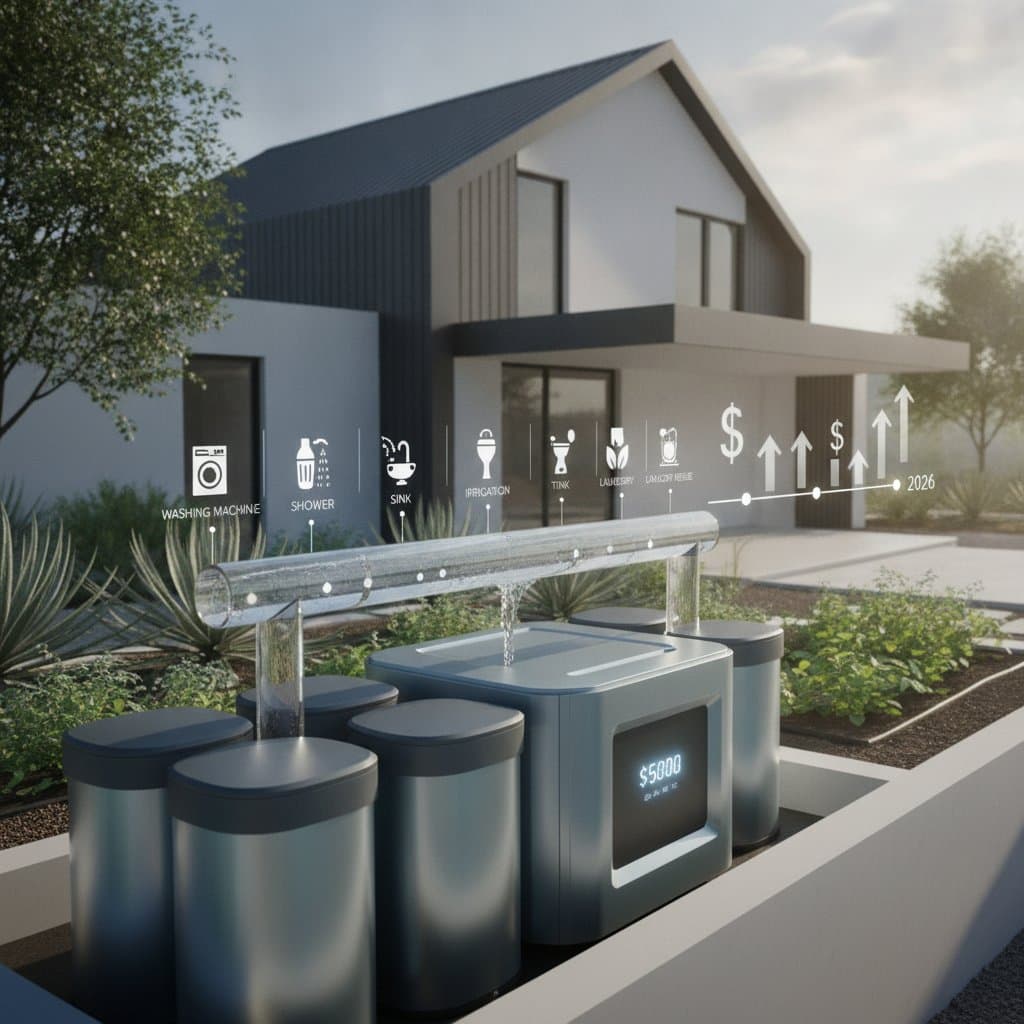
Greywater refers to effluent from showers, bathtubs, bathroom sinks, and washing machines. This category excludes toilet waste or kitchen sink drainage, classified as blackwater. After basic filtration, greywater supports safe repurposing, which diminishes sewer inputs and eases pressure on public water supplies. In water-stressed areas, such systems contribute meaningfully to individual finances and broader resource preservation.
Forum discussions among homeowners reveal that simple greywater setups yield noticeable reductions in water usage shortly after implementation. Outdoor watering frequently comprises over 50 percent of residential consumption. Redirecting shower and laundry outflows to landscaping areas leads to marked declines in monthly charges.
Greywater System Categories and Operations
Greywater systems divide into direct diversion and advanced treatment options. Selection hinges on financial resources, site configuration, and automation preferences.
Direct Diversion Systems
These setups gather water from a single point, like a washing machine or shower drain, and route it straight to external watering without extensive processing. A basic mesh filter captures particles and fibers, while natural gravity or a compact pump delivers the flow via subsurface pipes. Such systems prove straightforward, economical, and suitable for yard or turf applications.
Advanced Treatment Systems
Treatment variants employ multi-stage filters, retention vessels, and sanitization devices to purify greywater prior to application. Purified output allows extended storage and broader uses, including indoor flushing or precise drip lines. Although more intricate, these provide enhanced versatility. Property owners often opt for them during initial builds or extensive renovations, when access to piping simplifies integration.
Expenses and Financial Planning for Installation
Greywater system pricing varies with design intricacy, volume handling, and integration context, such as retrofits versus new developments. A compact direct diversion unit linking laundry output to garden lines may require only several hundred dollars in components for owner-managed assembly. Comprehensive professional setups managing various inputs with storage and purification can span from thousands to exceeding ten thousand dollars.
Key expense elements encompass:
- Design Category: Diversion types cost less than treatment configurations.
- Scale and Containment: Expanded reservoirs and pumping mechanisms elevate prices yet boost throughput.
- Regulatory Fees: Jurisdictional standards might mandate plan evaluations and verification charges.
- Workforce Input: Expert assembly guarantees adherence and security, though it raises overall outlay.
- Site Alterations: Excavation and watering network changes contribute additional expenditures.
A contractor's account from a water-conscious region detailed a moderate treatment installation that equaled about half the expense of a fresh well, while curtailing exterior usage by approximately 40 percent. Such enduring efficiencies justify the initial commitment for numerous residents.
Navigating Permits and Jurisdictional Standards
Greywater projects typically align with plumbing and ecological oversight rules. Local governments mandate approvals to verify safety and avert risks like aquifer pollution or sanitary issues. Obligations differ by system scope and application method.
Standard approval procedures involve:
- Plan Presentation: Submit diagrams illustrating collection, purification, and dispersal pathways.
- Verification Review: Officials confirm safeguards against reverse flow into drinking water lines.
- Certification and Marking: Validated installations feature prominent identifiers on conduits and controls.
- Ongoing Oversight: Certain locales demand routine evaluations or record-keeping.
Engage municipal planning offices at the outset to sidestep expensive modifications. Progressive communities frequently expedite processes for basic laundry diversion designs, accelerating consent and minimizing fees.
Self-Installation Versus Expert Services
Determined residents can manage modest systems using standard tools, particularly for laundry-to-yard connections. Pre-packaged solutions from specialized providers supply fittings, sieves, and directives compliant with regional norms.
Expert involvement suits setups with diverse origins, containment units, or automated purification. Certified technicians navigate codes, merge with current infrastructure securely, and assist in documentation and trials. Although labor premiums apply, they mitigate issues like seepage, obstructions, or impurities.
Routine Care and Preservation
Proper attention ensures greywater systems operate effectively. Clear sieves and meshes every few weeks to maintain unobstructed passage. Periodically flush reservoirs to eliminate buildup. Examine pumps and controls for impediments if present. For treatment models, adhere to schedules for media swaps or light replacements as specified by producers.
A sample regimen includes:
- Monthly Tasks: Wipe filters and survey dispersal points for accumulations.
- Quarterly Actions: Purge vessels and review gaskets.
- Yearly Evaluations: Engage specialists to assess for seepage, deterioration, and mechanism performance.
Incorporate these into regular property upkeep cycles. This practice sustains functionality and prolongs durability.
Enduring Financial and Ecological Advantages
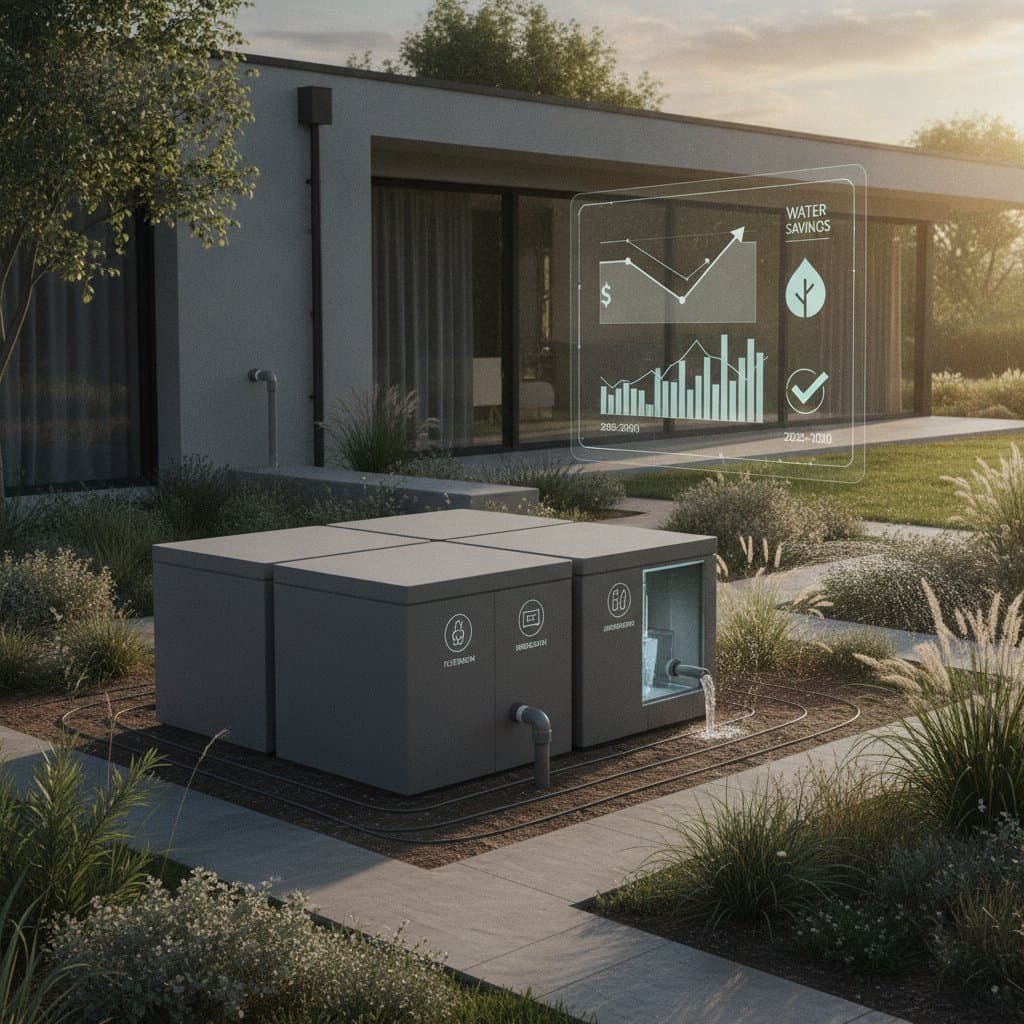
Greywater investments appreciate as utility tariffs escalate, fostering independence from grid supplies. Advanced configurations can diminish fresh intake by up to 40 percent, yielding annual savings in the hundreds based on regional pricing.
Ecological gains extend further. Reuse alleviates wastewater infrastructure loads, cuts treatment energy demands, and sustains ground hydration amid arid conditions. During conservation mandates, it preserves vegetation vitality.
Analyses indicate that adopters experience not only fiscal relief but also fortified outdoor areas against scarcity. These enhancements bolster real estate appeal and foster eco-conscious communities.
Steps to Implementation
Greywater adoption demands initial strategy, yet delivers consistent rewards. Begin by auditing domestic flows and pinpointing viable reuse points. Shower and wash areas typically serve as prime origins. For renovation projects, embed piping early to economize over later adaptations.
Next, review area mandates and seek advice from qualified plumbers or sustainability experts as required. Solicit estimates and inquire about care education. For personal efforts, select verified parts and observe contamination prevention protocols.
Monitor usage statements pre- and post-setup to quantify impacts. Disseminate findings within local networks to promote wider uptake. Investigate jurisdiction-specific incentives like rebates for conservation technologies prior to proceeding.
Greywater practices convert routine activities into conservation assets. Each wash or rinse presents a chance for resourceful cycling. For those aiming to trim expenses, elevate asset worth, and embrace green habits, a thoughtfully executed system ranks among premier choices.