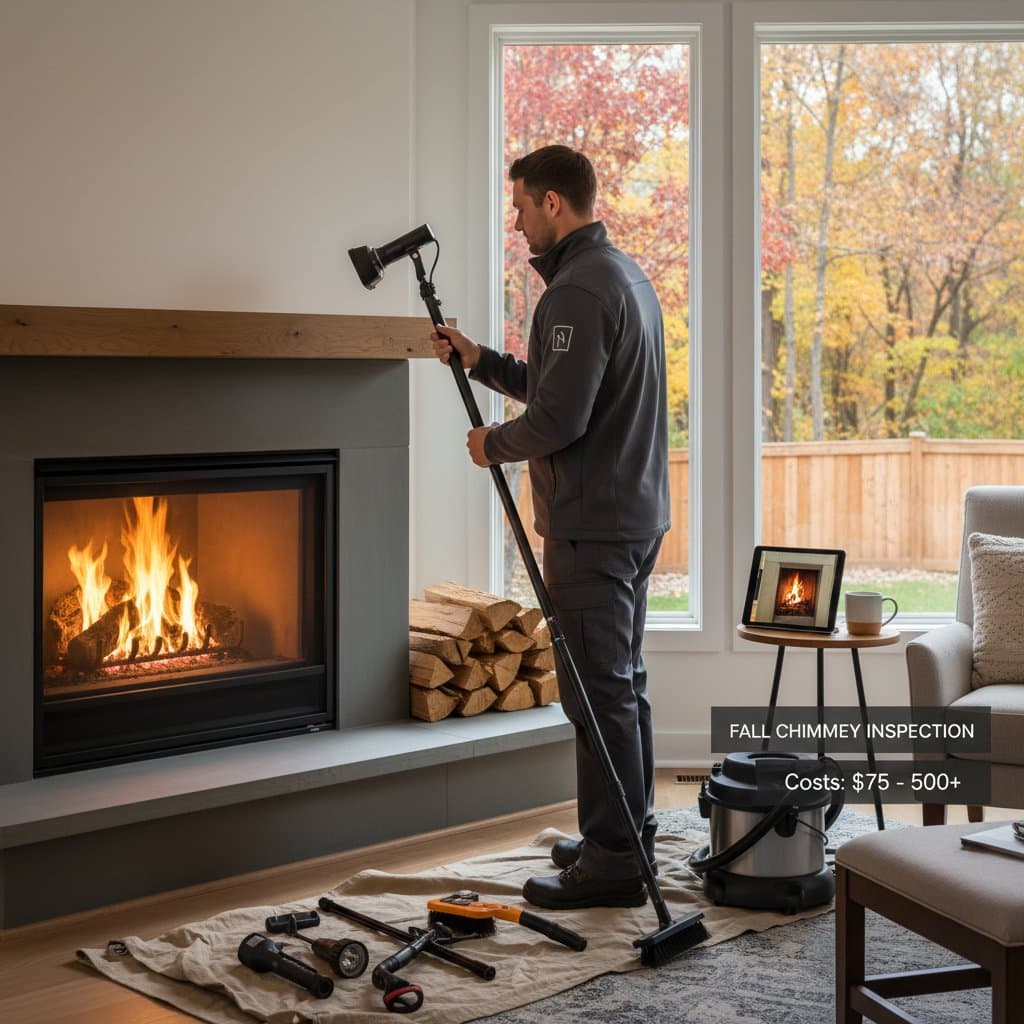
Fall Chimney Inspection Costs: From $75 to Over $500 Explained
As temperatures drop and fireplaces prepare for regular use, homeowners must prioritize chimney maintenance. A thorough fall inspection safeguards against hazards such as chimney fires and carbon monoxide exposure while enhancing heating efficiency. Delaying this step often leads to expensive repairs or safety risks that disrupt winter comfort.
Homeowners face choices between professional services and basic self-checks. Knowledge of inspection processes and associated expenses empowers informed decisions that protect both property and well-being.
Chimney Inspection Cost Breakdown
Inspection prices fluctuate based on scope, chimney configuration, and regional factors. Understanding these elements helps homeowners budget effectively and select appropriate services.
Standard Price Ranges
Chimney sweeps and inspectors classify evaluations into levels defined by the Chimney Safety Institute of America. Each level addresses different needs, from routine checks to in-depth assessments.
| Inspection Level | Description | Typical Cost Range |
|---|---|---|
| Level 1 (Visual) | Basic examination of accessible areas, including firebox, damper, and flue exterior. Suitable for annual maintenance. | $75–$150 |
| Level 2 (Video Scan) | Uses cameras to inspect internal flue and hidden components. Required after events like earthquakes or for real estate transactions. | $150–$400 |
| Level 3 (Comprehensive) | Involves disassembly for structural analysis. Essential for suspected damage or deterioration. | $500+ |
These ranges account for labor and basic equipment. Additional fees may apply for cleaning or travel in remote areas.
Expenses for Self-Inspection
Individuals opting for a preliminary self-assessment require essential equipment to minimize risks and maximize effectiveness.
- Flashlight or affordable endoscope camera for internal views.
- Sturdy extension ladder rated for your weight plus tools.
- Gloves, respirator mask, and eye protection against soot and debris.
- Soft-bristle brush or shop vacuum for light surface cleaning.
Acquire these items for $50 to $200 total, depending on existing supplies. Such a check reveals obvious issues like cracks or nests but falls short of detecting flue liner flaws or creosote thickness.
Influences on Final Costs
Multiple variables determine the quote from a certified chimney professional.
- Chimney dimensions and layout: Structures exceeding two stories or featuring multiple flues demand extended time and safety measures.
- Internal condition: Thick creosote layers or animal debris necessitate combined inspection and cleaning services.
- Access challenges: Steep roofs or obstructed paths increase setup efforts and insurance requirements.
- Geographic location: Urban centers command higher rates due to demand, while rural services may add mileage charges.
- Timing within the season: Early fall appointments avoid premiums during peak demand from October to December.
Request itemized proposals to compare inclusions, such as flue video footage or written reports, across providers.
Weighing Self-Inspection Against Expert Services
Decide based on experience, available resources, and the stakes involved in chimney safety.
Advantages of Self-Inspection
Homeowners with basic handyman skills gain these benefits from a personal review.
- Identify surface-level problems, such as loose bricks or visible blockages, without immediate expense.
- Build familiarity with the system to monitor changes over time.
- Control the timing to fit personal schedules.
Approach this task on a calm day with a spotter for added security.
Limitations of Self-Inspection
Amateur efforts carry inherent constraints and dangers.
- Inability to probe deep into flues without professional-grade tools.
- Overlooking subtle issues like mortar erosion or gas leaks.
- Height-related injuries, which account for many seasonal accidents.
Insurance policies often exclude coverage for self-inflicted mishaps during home maintenance.
Advantages of Professional Services
Certified technicians deliver comprehensive evaluations with liability protection.
- Employ high-resolution cameras and lasers to map flue interiors accurately.
- Adhere to national safety codes, ensuring code-compliant findings.
- Supply detailed documentation, including digital images and prioritized repair lists.
Such expertise often uncovers problems early, averting emergencies like flue collapses.
Limitations of Professional Services
Scheduled appointments introduce logistical hurdles.
- Initial investment exceeds self-check budgets.
- Wait times extend to weeks during high season without prompt booking.
Balance these by selecting CSIA-certified firms for reliable outcomes.
Duration and Effort Involved
Professionals complete most jobs in 45 minutes to two hours, scaling with complexity. Self-inspections demand one to three hours for novices, including setup and research on warning signs.
Essential Questions on Chimney Inspections
Experts address frequent concerns to guide homeowners through the process.
How Frequently Does a Chimney Require Inspection?
Annual checks suffice for most homes, timed before the first fire of the season. Infrequent users may extend to every other year, but visual cues warrant immediate attention.
What Elements Does a Professional Review Cover?
Technicians assess the firebox for heat damage, the flue for obstructions, the damper for functionality, and the crown for water intrusion. External components like flashing receive scrutiny for weatherproofing.
Is Annual Cleaning Necessary?
Usage dictates the schedule. Wood-burning households benefit from yearly sweeps to remove creosote, a flammable byproduct that accumulates rapidly with seasoned hardwoods.
Which Indicators Signal Urgent Attention?
Persistent smoke in the room, unusual smells from the hearth, or deteriorating exterior bricks demand prompt evaluation. Shifts in draft or visible residue also indicate blockages.
Do Inspections Create Indoor Mess?
Reputable services deploy protective sheeting, HEPA vacuums, and contained tools to limit soot spread. Post-inspection cleanup restores the area quickly.
Is an Internal-Only Check Sufficient?
Firebox observations spot basic wear, but flue assessments require roof access or specialized probes to verify integrity.
Does the Review Encompass Caps and Sealants?
Standard protocols include verifying chimney caps against animal entry and flashing seals against leaks.
What Follows Discovery of Issues?
Inspectors document findings with visuals and outline solutions, from minor tuck-pointing to full relining. On-site fixes handle simple concerns.
Are Permits Needed for Evaluations?
Routine inspections bypass permitting, but structural modifications trigger local reviews. Consult municipal offices for guidelines.
What Defines Creosote and Its Risks?
Creosote forms as a sticky deposit from incomplete wood combustion. Its ignition potential fuels intense fires that damage liners and spread to homes.
Why Prioritize Fall Timing?
Pre-winter preparation identifies vulnerabilities before repeated firings exacerbate them, ensuring reliable performance.
Do Gas Units Need Similar Care?
Vent systems for gas appliances demand checks for corrosion, blockages, and burner efficiency to prevent incomplete combustion.
How Do Animals Affect Chimneys?
Nests from wildlife create fire hazards and draft issues. Professionals use humane removal and install barriers.
How to Ready the Home for Arrival?
Vacate the hearth area, secure valuables, and confirm roof access. Provide usage history to tailor the assessment.
Step-by-Step Path to Your Inspection Decision
Navigate choices systematically to align with home needs.
Review Usage Patterns
Tally fires lit last season and note anomalies like poor airflow. Heavy reliance on the fireplace elevates inspection priority.
Gauge Personal Capabilities
Assess comfort with heights and tool handling. Lacking these, default to experts for thoroughness.
Compute Overall Expenses
Weigh tool purchases or service fees against savings from averting $1,000-plus repairs. Long-term, professionals reduce total outlays.
Weigh Safety Factors
DIY efforts heighten fall risks on slick fall roofs. Trained crews mitigate these with harnesses and protocols.
Finalize Your Approach
Opt for professionals if usage exceeds occasional or signs appear. Annual habits foster lasting safety.
Setting Up for Success
Secure slots by mid-September through online directories of certified sweeps. Budget 20 percent above inspection costs for unforeseen cleanings.
Clear the firebox of remnants and restrict access during the visit. This streamlines the process and minimizes disruptions.
Sustaining Chimney Health Year-Round
Consistent evaluations preserve structural soundness and operational reliability. Homeowners who invest in these routines enjoy safer, more economical heating seasons without unexpected interruptions.