Skilled installers perform site assessments for accurate bids. Homeowners who ready access points ahead of time can cut costs by 25 percent, per insights from contractor networks.
Calculating Water Savings Potential
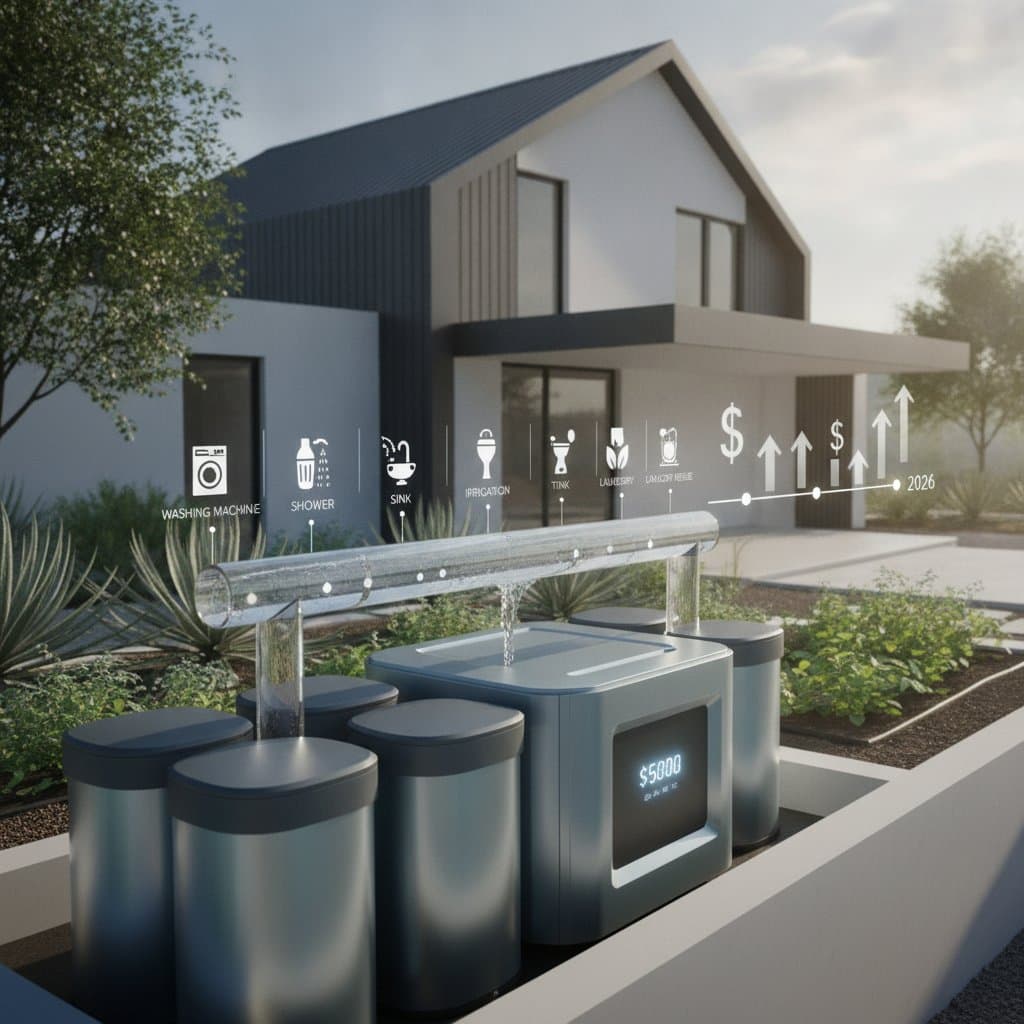
Effective greywater setups slash freshwater demand by 30 to 50 percent. For a standard family of four, this translates to 5,000 gallons conserved monthly. Pairing with drip irrigation and low-flow taps amplifies these gains.
Post-installation, many see bills decrease sufficiently to recoup investments in three to five years. Metered services with escalating rates accelerate payback, particularly where peak usage incurs surcharges.
One consultant's analysis of a suburban retrofit revealed a 33 percent bill reduction in year one, aided by local drought rules that inflated irrigation charges.
Enduring Economic Advantages
Initial outlays yield ongoing rewards through:
- Utility Reductions: Less municipal water translates to monthly savings.
- Elevated Property Appeal: Eco-upgrades draw green-minded purchasers, lifting resale values by 5 to 10 percent in sustainable markets.
- Drought Preparedness: Recycled supplies sustain landscapes amid watering bans.
- Sewer Fee Savings: Diminished outflow can trim wastewater charges where applicable.
Research from sustainability groups indicates up to 40 percent cost cuts over ten years, with payback often occurring sooner.
Weighing DIY Against Professional Setup
Certain projects suit skilled homeowners, while others demand pros.
DIY Approaches:
Laundry diversions work well for self-installs, leveraging the machine's pump with minimal alterations. Follow vetted guides or join workshops to complete in a day or two.
Expert Services:
Comprehensive systems require pros for code adherence, permitting, and safety. Certified teams ensure filtration efficacy and rebate eligibility.
DIY trims immediate costs, but pros deliver durability and compliance.
Essential Maintenance Practices
To prevent issues like blockages or smells, routine care keeps systems optimal.
- Filter Upkeep: Inspect monthly; clean or swap as buildup occurs.
- Tank Checks: Scan for debris, growth, or seepage quarterly.
- Component Tests: Verify pump function and valve integrity biannually.
- Climate Tweaks: Winterize lines in cold zones to avert freezes.
Establishing habits makes this straightforward; annual pro tune-ups add assurance.
Navigating Rules and Eco Impacts
Regulations dictate reuse methods, from buried irrigation to indoor flushing. Review municipal codes and secure approvals pre-project.
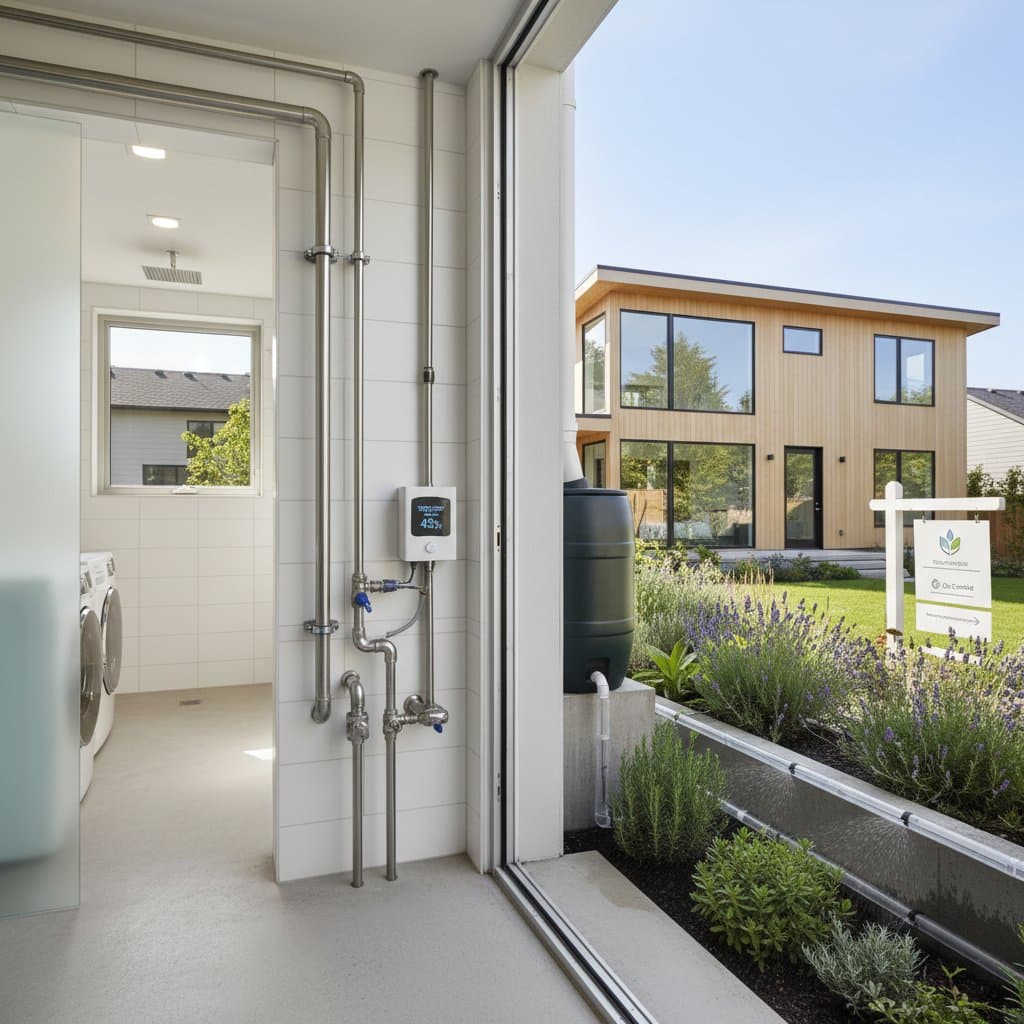
Environmentally, these systems conserve freshwater, cut treatment energy, and mitigate runoff. Integrating with rain collection forms a robust, self-reliant water cycle.
Benchmarking Against Alternative Conservation Methods
Greywater complements other strategies for holistic efficiency.
- Efficient Fixtures: Budget-friendly swaps yield quick cuts but no recycling.
- Rain Systems: Cheaper upfront, yet weather-dependent and inconsistent in arid zones.
- Automated Sprinklers: Refine outdoor use but cap savings at landscaping.
Greywater excels by repurposing routine flows into dependable assets, easing public infrastructure loads.
Accessing Incentives
Utilities and councils frequently subsidize installations via cash-back, material deals, or fee waivers. Green certifications may grant further perks.
Probe local offerings early; pro-submitted claims often secure maximum funds.
Tailoring a System to Your Property
Selection begins with auditing water patterns. Identify high-yield sources and viable outlets.
- Compact Residences: Laundry routing suffices for basic garden needs.
- Spacious Dwellings: Multi-source collection maximizes returns.
- City Settings: Space-efficient units with onboard treatment fit tight quarters.
Designers align setups with your infrastructure, codes, and goals for seamless integration.
Advancing Toward Water Independence
Implementing greywater fosters resilient, cost-effective living. It curbs ecological footprints, stabilizes expenses, and buffers against supply disruptions. Evolving designs simplify adoption, broadening access to this vital upgrade.
Steps to Launch Your Greywater Project
Audit usage, map reuse opportunities, and budget accordingly. Solicit bids from vetted specialists and verify incentives. Start modestly if prudent, scaling with experience.
These systems transform routine outflows into enduring assets, promoting fiscal prudence and ecological balance. Proper execution turns everyday homes into sustainable strongholds.