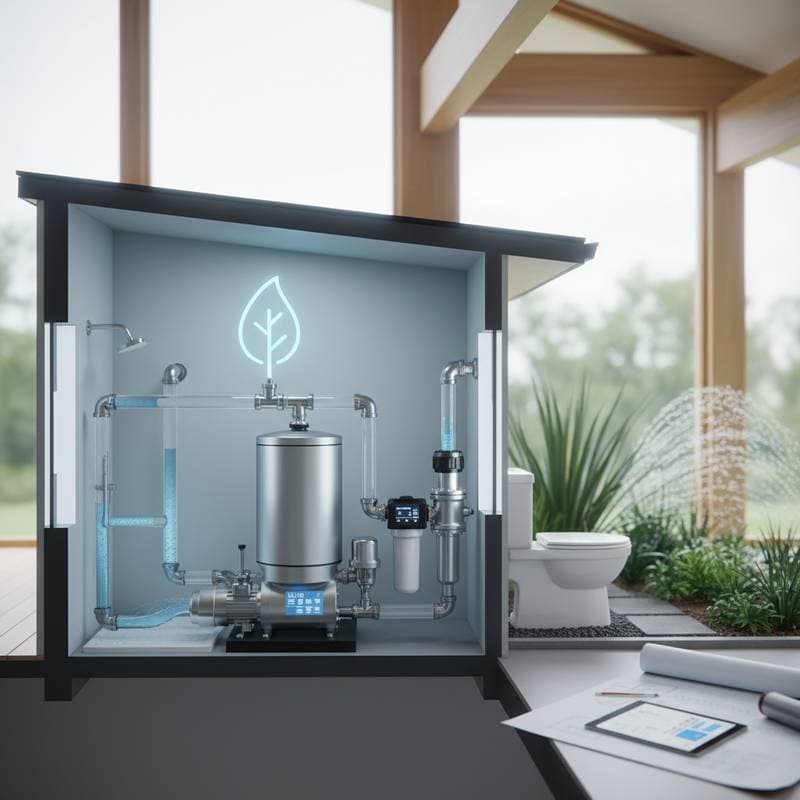
Costs of Greywater Installation in 2026: Essential Insights
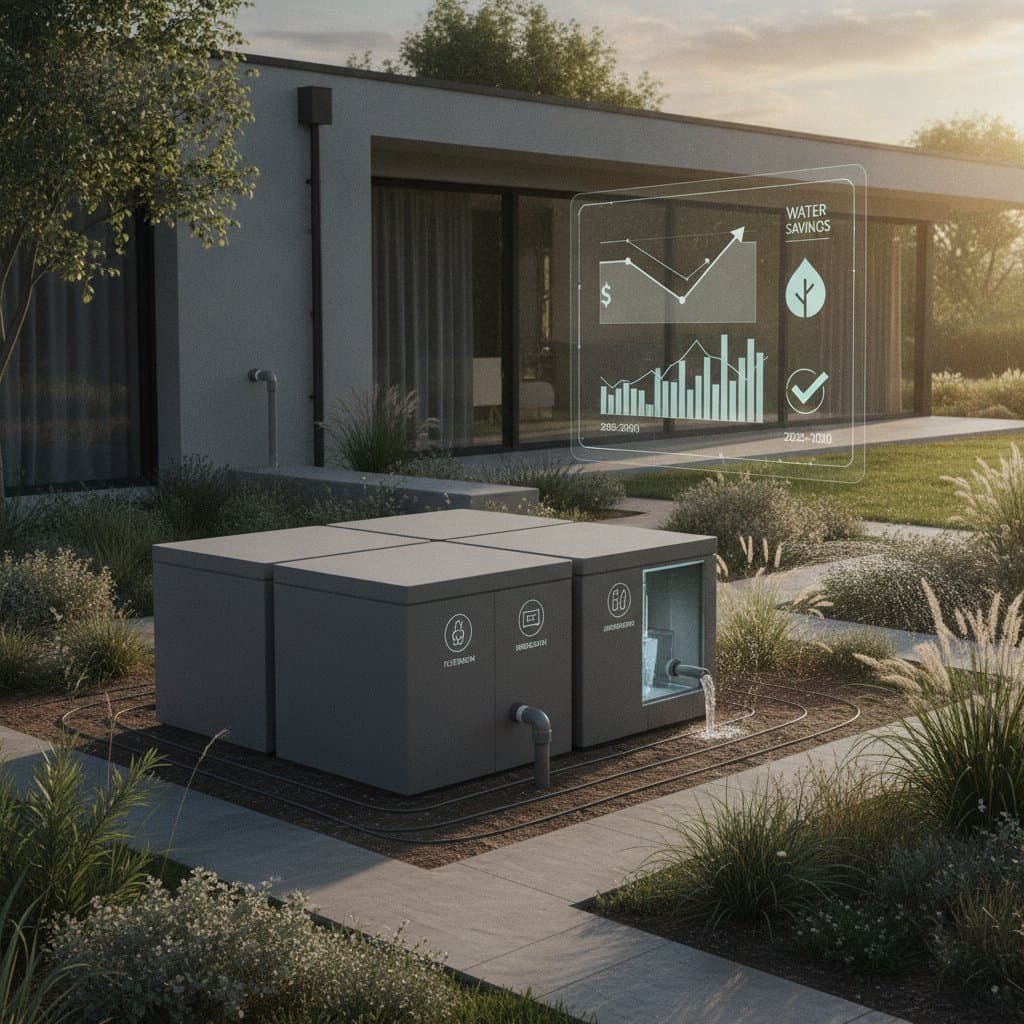
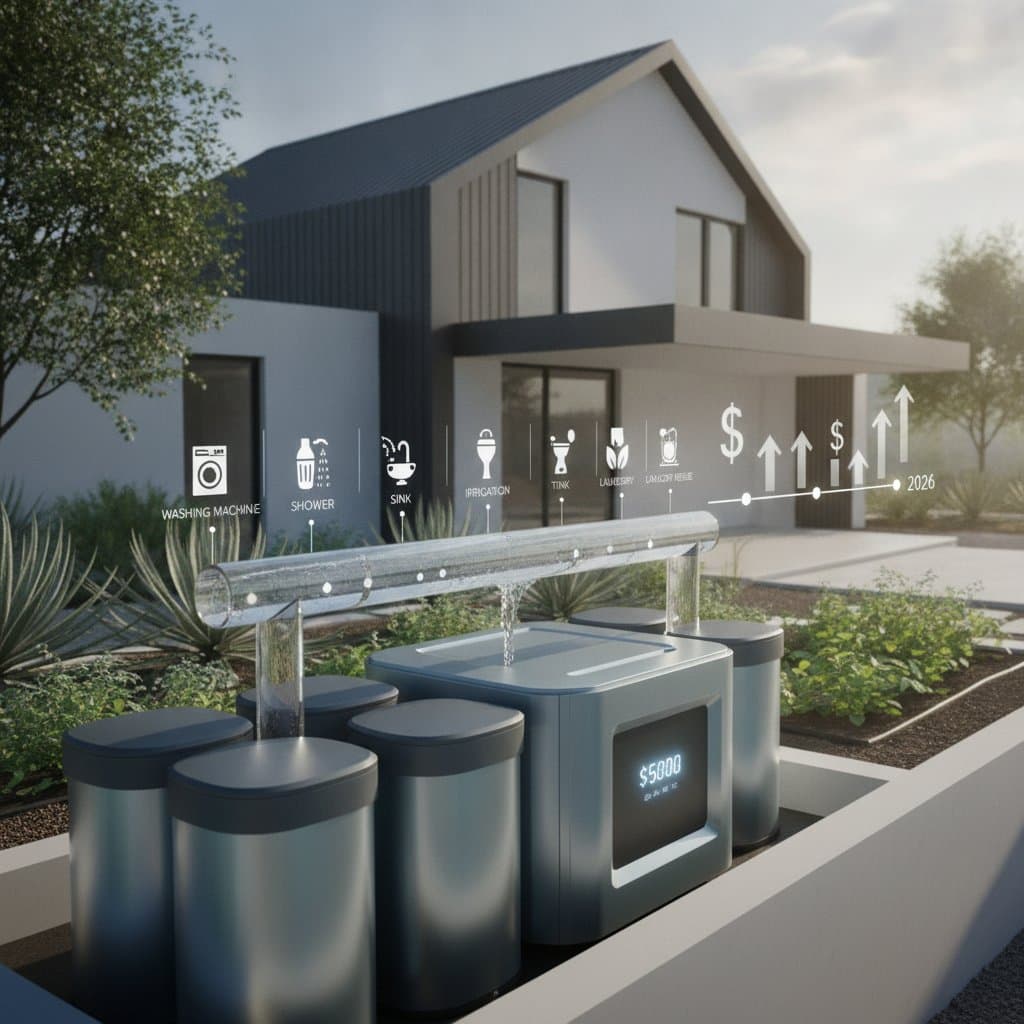
Homeowners increasingly seek methods to conserve water, decrease utility expenses, and foster sustainable residences. Greywater systems address these goals by collecting water from sources such as showers, sinks, and washing machines for reuse in irrigation or flushing toilets. While the principle appears straightforward, determining the financial commitment requires careful examination of multiple elements.
This resource details all relevant cost components, including system scale, customization, workforce, and regulatory approvals. It further clarifies choices between self-directed and expert-led setups, outlines upkeep routines, and quantifies potential reductions in expenses over time.
Cost Ranges and Influencing Factors
Expenses for greywater installations fluctuate considerably according to system intricacy, property configuration, and regional regulations. Elementary configurations that redirect laundry water to landscaping may require only several hundred dollars with personal effort. Comprehensive, automated units with filtration that comply with standards and support full residences often exceed several thousand dollars.
Detailed Cost Categories
- Basic diversion setups: Professionals charge approximately 700 to 2,000 dollars, covering pipes, valves, and basic connections.
- Intermediate treatment units: These range from 3,000 to 6,000 dollars, incorporating filtration for broader applications like sink and shower water.
- Advanced whole-home integrations: Expect 8,000 to 15,000 dollars or higher, factoring in extensive plumbing modifications, storage tanks, and automation features.
These figures encompass supplies, installation services, and necessary permissions. Challenging plumbing layouts or required infrastructure enhancements can increase totals by 20 to 30 percent. For instance, retrofitting older homes might necessitate additional excavation or pipe replacements, adding 1,000 to 3,000 dollars.
Local water authority fees and soil testing for irrigation suitability also contribute, typically 200 to 500 dollars. In arid regions with strict conservation mandates, incentives like rebates up to 1,500 dollars may offset initial outlays.
Self-Installation Versus Expert Services
Confident individuals can handle straightforward laundry-to-landscape projects using pre-packaged kits priced below 500 dollars. These include diverter valves, flexible tubing, and step-by-step manuals. Key steps involve disconnecting the washing machine outlet, securing a three-way valve for flow control, and extending lines to garden beds while ensuring proper slope for gravity-fed distribution.
Expert involvement proves essential in scenarios such as:
- Integration across multiple fixtures like bathrooms and kitchens.
- Repurposing water indoors for toilet tanks.
- Adherence to jurisdictions mandating certified technicians.
- Incorporation of advanced elements like pumps or electronic controls.
Professionals guarantee alignment with building codes, minimizing hazards like water contamination or structural damage. Installation fees constitute 40 to 50 percent of overall expenses, with hourly rates for plumbers averaging 75 to 150 dollars. Obtaining multiple quotes and verifying licenses saves time and ensures quality workmanship.
Upkeep and Annual Expenses
Post-installation, routine care remains straightforward yet crucial for longevity. Clean filters monthly during peak use to prevent residue accumulation, and flush storage tanks biannually to eliminate sediment. Replace pumps or sensors every five to ten years, budgeting 200 to 500 dollars for such updates.
Annual expenditures typically span 50 to 150 dollars, covering cleaning supplies and minor repairs. Opt for systems with app-based monitoring, which detect issues like low flow or sensor malfunctions via notifications. These enhancements cost an additional 300 to 800 dollars initially but prevent costly breakdowns, potentially saving hundreds in emergency services.
Addressing Frequent Challenges
Managing Clogs
Soap scum and fabric fibers often obstruct screens or drip lines. Schedule biweekly rinses and select plant-safe, phosphate-free cleaners to minimize deposits. Install inline strainers at entry points for proactive filtration.
Controlling Odors
Stagnant reserves in holding units can produce unpleasant smells without regular circulation. Activate the system daily and introduce microbial additives quarterly to break down organics. Ensure vents allow airflow and position tanks away from living areas.
Balancing Water Distribution
Inconsistent delivery to plants stems from trapped air or restricted paths. Bleed lines annually by running full cycles and verify valve positions. Redistribute emitters evenly across landscapes to equalize pressure, consulting flow charts from manufacturers for optimal layouts.
Resolving Pump Malfunctions
Mechanical failures halt circulation, often due to debris or electrical faults. Maintain spares on hand and choose units with five-year warranties. Test functionality quarterly by observing output rates, and secure professional diagnostics if performance dips below 80 percent capacity.
Choosing Durable System Elements
Select components based on performance, longevity, and ease of integration to avoid premature replacements.
- Storage tanks: Opt for UV-resistant polyethylene models holding 100 to 500 gallons, priced at 400 to 1,200 dollars, which resist degradation in outdoor conditions.
- Pumping mechanisms: Submersible options suit compact installations with low noise levels, while centrifugal external pumps manage high-volume demands efficiently.
- Filtration methods: Disposable cartridge types simplify maintenance for residential use; multimedia or biological filters process larger flows for commercial-grade reliability.
- Valving systems: Solenoid-operated automatics, integrated with timers or soil moisture sensors, enable precise dosing, though basic ball valves suffice for manual operations.
Reputable manufacturers such as Brac Systems, ReWater, and Aqua2use offer modular designs certified for various climates and code standards. Review user manuals for compatibility with existing fixtures before purchase.
Strategies for Long-Term Reliability
Sustain optimal operation through consistent protocols:
- Perform filter maintenance and tank flushes as per manufacturer schedules to preserve efficiency.
- Employ eco-friendly, low-sodium soaps that safeguard soil health and prevent scaling in conduits.
- Examine distribution lines seasonally for punctures or obstructions, repairing with compatible sealants.
- Shield wiring and controls from moisture using weatherproof enclosures.
- Arrange biennial evaluations by qualified technicians to assess overall integrity.
These measures not only prolong equipment lifespan beyond a decade but also uphold reuse safety standards.
Realizing Returns on Greywater Investments
A greywater setup represents a strategic commitment to resource management and ecological responsibility. Initial expenditures yield returns through reduced water consumption, often slashing bills by 30 to 50 percent in households of four. Properties equipped with such features attract eco-conscious buyers, potentially increasing market value by 5 to 10 percent.
By aligning system selection with specific household patterns and financial parameters, owners secure dependable performance for extended periods. From modest diversions to expansive networks, these installations lessen reliance on public supplies, nurture vibrant gardens, and embody forward-thinking environmental practices. The advantages extend beyond economics to foster resilience and stewardship in everyday living.