DIY Chimney Inspection: Safe Steps Homeowners Can Take
Professional inspections remain the gold standard for chimney safety, yet homeowners can conduct a preliminary visual assessment to identify visible problems and inform discussions with service providers. These simple checks require no special tools beyond a flashlight and binoculars, allowing you to address issues promptly before winter arrives.
Step 1: Examine the Exterior Structure
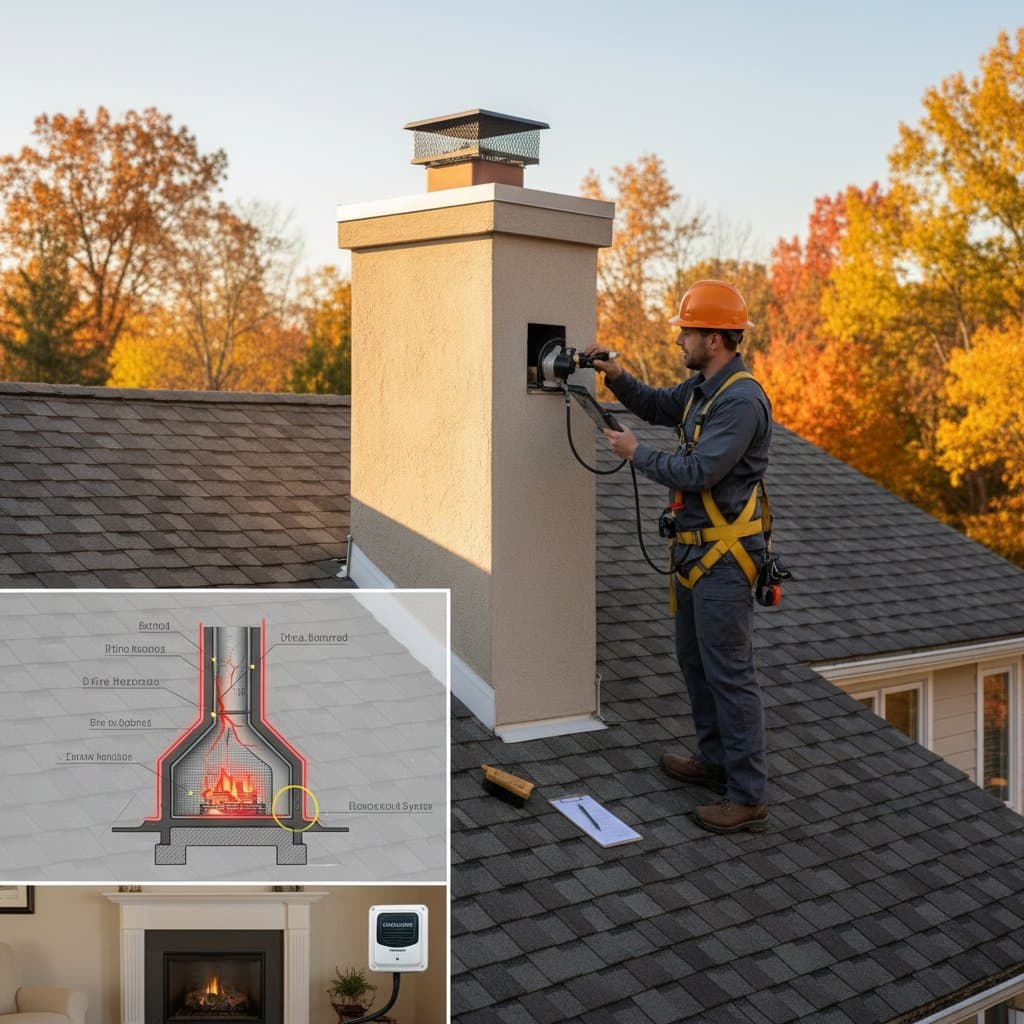
Circumvent your home to inspect the chimney's outer appearance. Search for tilted sections, displaced bricks, or plants sprouting from mortar gaps, which signal deterioration. Pay close attention to the flashing that seals the chimney to the roof; any loose panels or visible separations suggest vulnerability to water entry and potential structural weakening.
Step 2: Assess the Cap and Crown
Using ground-level observation or binoculars, confirm the chimney cap remains securely in place and free of damage. Inspect the concrete crown for fissures or erosion, as these elements form the primary barrier against rain, leaves, and pests infiltrating the system.
Step 3: Peer into the Firebox
Direct a flashlight beam into the fireplace interior. Look for thick soot layers, corroded damper components, or signs of wildlife habitation such as nests or droppings. A pungent, tar-like smell often indicates significant creosote accumulation, a flammable byproduct of wood burning that demands professional removal.
Step 4: Evaluate Draft Performance
Ignite a tightly rolled sheet of newspaper and position it adjacent to the damper. Observe the smoke pattern; it should ascend steadily into the flue without hesitation. Smoke billowing back into the room points to obstructions, downdrafts, or ventilation flaws that could compromise safe operation.
Factors Influencing Chimney Maintenance Costs
Chimney service expenses fluctuate based on several variables, including the structure's dimensions, ease of access, and current state. Understanding these elements empowers homeowners to budget effectively and select appropriate services.
- Chimney Height and Roof Accessibility - Taller chimneys or those on pitched roofs necessitate additional equipment like scaffolding or harnesses, increasing labor time and fees.
- Fireplace Fuel Type - Traditional wood-burning fireplaces generate more creosote and ash compared to gas or electric models, often requiring more thorough cleaning.
- Maintenance History - Consistent annual servicing minimizes buildup, keeping costs predictable; overdue cleanings involve intensive scraping and removal, elevating prices.
- Local Service Rates - Providers in metropolitan regions command premium charges due to higher operational expenses, while rural areas typically offer more affordable options.
- Required Repairs - Issues like fractured flue liners, spalled bricks, or water-damaged crowns add substantial costs for materials and specialized labor.
Bundling an inspection with cleaning frequently yields savings of 10 to 20 percent. Many firms provide subscription-based plans that lock in lower rates and ensure timely visits, ideal for frequent users.
Comprehensive Fall Chimney Inspection Checklist
This detailed list serves as a roadmap for thorough preparation ahead of the colder months. Follow it sequentially to cover all critical areas and facilitate a smooth professional evaluation.
- Arrange for a Certified Professional - Contact a chimney sweep licensed by organizations like the Chimney Safety Institute of America for reliable expertise.
- Select the Appropriate Inspection Level - Opt for Level 1 for routine checks, Level 2 for suspected issues involving cameras, or Level 3 for severe damage assessments.
- Clear the Firebox - Sweep out accumulated ashes and debris to provide clear access for the inspector.
- Detect Creosote Deposits - Request a flue camera scan to measure buildup thickness, as layers exceeding 1/8 inch heighten fire risks.
- Test Damper Functionality - Ensure the damper opens and closes without sticking, maintaining proper control over airflow.
- Secure the Chimney Cap - Verify it fits snugly and shows no corrosion, blocking rain and critters effectively.
- Review Masonry Integrity - Probe joints for erosion or voids, which could allow moisture to penetrate and cause expansive damage.
- Identify Water Damage Indicators - Scan interior walls and ceilings near the fireplace for discoloration or efflorescence, early signs of leaks.
- Conduct a Draft Test - Burn a small paper torch to confirm upward smoke movement, ruling out blockages.
- Document Findings - Note all observations, recommendations, and dates to track maintenance history for warranties or real estate disclosures.
Maintaining records not only aids in troubleshooting but also strengthens insurance positions during claims related to chimney-related incidents.
Insights from Chimney Care Experts
Professionals in the field liken chimney upkeep to essential vehicle servicing, emphasizing prevention over reaction. A seasoned technician shared on a contractor discussion board, "Overlooking your chimney inspection mirrors navigating icy roads with worn brakes; the oversight seems minor until catastrophe strikes."
In a feature for a local lifestyle publication, another specialist highlighted how proactive cleaning wards off acid rain effects and thermal cycling, potentially adding a decade to the chimney's service life. They stressed selecting fuels wisely: burning dry hardwoods like oak or maple, rather than resinous softwoods, cuts creosote formation by about 30 percent, easing future cleanings.
Upgrading to a sealed top damper offers dual benefits, sealing out chilly air infiltration during off-seasons and deterring birds or squirrels from establishing homes within the flue. Experts also advise against over-reliance on fire-starting gels or cleaners, as these mask rather than resolve underlying residue problems.
Strategies to Avoid Recurring Chimney Problems
After completing an inspection and any necessary cleanings, shift focus to ongoing habits that sustain system reliability. These practices minimize wear and extend intervals between services.
- Use Only Seasoned Hardwood - Source logs dried for at least six months to minimize moisture content below 20 percent, reducing smoke production and creosote adhesion.
- Manage Damper Usage Properly - Keep it fully open throughout burning and for 30 minutes post-extinguishment to vent residual heat and prevent internal moisture buildup.
- Steer Clear of Quick-Fix Products - Commercial creosote removers may dislodge some particles but fail to extract them, risking chimney blockages from falling debris.
- Install Protective Caps if Absent - A stainless-steel rain cap, costing under $100, shields against downpours and excludes nesting animals year-round.
- Commit to Yearly Professional Visits - Even infrequent fireplace users benefit from annual checks to catch rust from condensation or external weathering.
Integrating these routines transforms chimney care from a chore into a seamless part of home stewardship, averting disruptions during peak heating demands.
Safeguarding Your Home Through Consistent Chimney Care
Investing time in chimney maintenance yields multifaceted returns: fortified fire prevention, optimized heat distribution that lowers energy bills by up to 15 percent, and bolstered home equity at appraisal time. By addressing minor flaws early, you avert escalations into costly rebuilds or hazardous emergencies.
Homeowners who prioritize these steps report greater peace of mind, knowing their hearth remains a source of warmth rather than worry. Consult local codes for any region-specific requirements, and always engage qualified pros for hands-on work to uphold safety standards.