
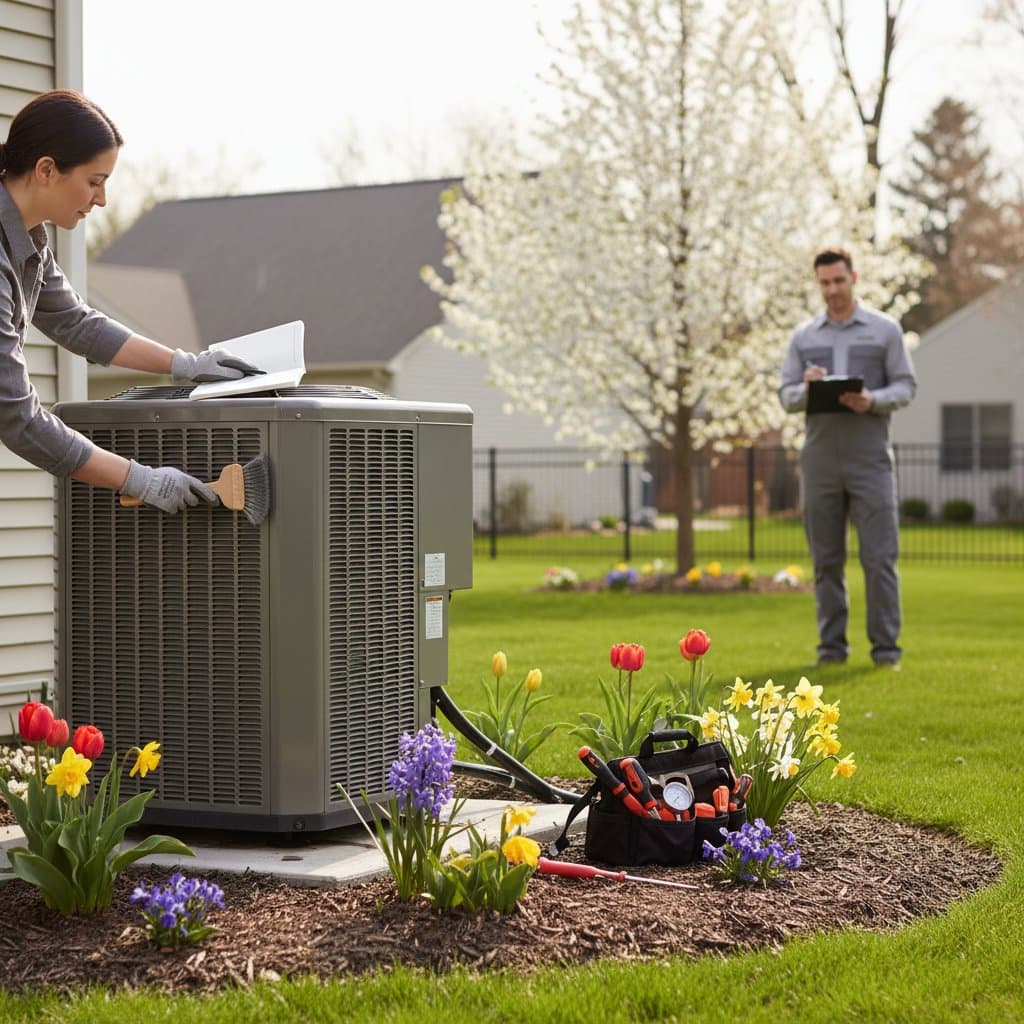
Safeguard Your AC Against Summer Failures
Intense heat transforms a reliable air conditioner into an essential ally for comfort. Many homeowners overlook preparation after a temperate winter, leading to unexpected failures on the hottest days. Proactive steps, including basic inspections and expert servicing, mitigate these risks and preserve system integrity.
The Importance of Seasonal Preparation
Dust accumulation, component wear, and filter neglect erode air conditioner efficiency annually. Such degradation increases energy consumption by 5 to 15 percent. Issues like restricted coils or insufficient refrigerant overwork the compressor, the costliest component to repair. Consistent upkeep safeguards this investment while maximizing cooling output and indoor comfort.
Homeowner Inspection Steps
Initiate seasonal readiness with these straightforward tasks, completable in less than an hour. They uncover potential problems early and inform the need for advanced service.
- Examine the thermostat. Switch to cooling mode and verify system activation. Install fresh batteries if the screen dims or fails to respond.
- Evaluate the air filter. Restricted airflow from debris causes evaporator coil icing. Install a new filter if discoloration or accumulation appears; replace standard units every 60 to 90 days.
- Remove obstructions from the outdoor condenser. Maintain 18 inches of clearance by trimming vegetation. Clear leaves, debris, or nests that impede ventilation.
- Assess wiring and insulation. Identify frayed cables or deteriorated coverings on refrigerant lines. Exposed metal or damaged insulation requires immediate professional attention.
- Monitor for abnormal noises. Grinding, rattling, or humming signals fan motor or bearing deterioration.
These measures address prevalent failure causes and support informed maintenance decisions.
Key Elements of Professional Service
DIY efforts provide a solid foundation, yet certified HVAC professionals deliver comprehensive diagnostics. Their work encompasses refrigerant evaluation, electrical verification, and thorough coil decontamination, tasks beyond safe homeowner reach. A complete tune-up costs 100 to 200 dollars, varying by region and unit capacity, and covers:
- Refrigerant level assessment and correction
- Electrical connection securing
- Evaporator and condenser coil thorough cleaning
- Safety device and thermostat functionality testing
- Component lubrication
The National Comfort Institute advises annual professional inspections. Neglect accelerates wear, potentially reducing system longevity by years.
Pitfalls That Compromise Performance
Intended care often falters through overlooked habits that strain equipment. Steer clear of these errors:
- Obstructing vents with furnishings or coverings. Reduced airflow forces excessive operation.
- Adjusting the thermostat below 70 degrees. Prolonged low settings provoke coil freezing and energy inefficiency.
- Selecting incorrect filter dimensions. Unsealed edges permit dust infiltration, fouling internal parts. Measure precisely prior to purchase.
- Overlooking condensate drainage. Blockages lead to interior water damage; clear lines seasonally with a vinegar and warm water solution.
Enhancing Accessibility and Efficiency
For easier upkeep, opt for washable filters in accessible positions or smart thermostats enabling remote control. If physical limitations hinder access, request technician installation of elevated filter enclosures.
To optimize energy use, address duct leaks, which dissipate up to 30 percent of conditioned air. Apply metallic foil tape to accessible seams or engage experts for comprehensive leak detection and sealing.
Indicators Requiring Expert Intervention
Persistent operation without adequate cooling or frost on refrigerant lines demands immediate shutdown and professional evaluation. Continued use risks compressor destruction. Technicians measure vent temperature differentials, verify refrigerant, and inspect electrics to diagnose efficiently.
Sustaining Long-Term Reliability
Post-inspection, maintain a record of filter replacements, service dates, and fixes. This documentation monitors trends, supports warranty claims, and guides future actions. For units exceeding ten years, budget for upgrades to avert total failure.
Implement Proactive Care Now
Reliable cooling stems from deliberate routines rather than chance. Prioritize filter cleanliness, drainage patency, and vigilant monitoring to prolong equipment durability. Book services promptly to secure availability, and familiarize yourself with normal operational cues for swift issue detection.




