Fall HVAC Filter Replacement: Optimal Timing and Filter Choices
Air quality in a home suffers when the HVAC system labors excessively. Reduced airflow or a persistent dusty odor typically indicates that the filter requires replacement. Fall serves as the prime season for this maintenance before temperatures drop and the heating system operates continuously. Proper filter replacement safeguards the system, enhances air purity, and lowers energy expenditures.
Reasons Fall Marks the Best Time for HVAC Filter Replacement
Autumn introduces fluctuating temperatures, increased time spent indoors, and elevated levels of outdoor debris such as fallen leaves and dust. These changes impose additional stress on the HVAC system. Installing a fresh filter prior to the heating season guarantees that the furnace or heat pump operates with peak efficiency and safety.
A clean filter sustains adequate airflow, preventing the system from overheating or developing ice buildup. It captures allergens and microscopic particles, resulting in healthier indoor air. Delaying replacement until winter risks filter clogging, escalated utility bills, and inconsistent heating across rooms.
Essential Guidance
Replace the HVAC filter at the onset of fall, then inspect it every 30 to 60 days during the season. Residences with pets, smokers, or individuals prone to allergies often require changes every 30 days. In contrast, a household with a single occupant might extend intervals to 90 days maximum.
Decoding Filter Ratings and Varieties
Filters vary significantly, and each type along with its rating influences the capture of dust, pollen, and pollutants. The primary metric is the MERV rating, which stands for Minimum Efficiency Reporting Value. These ratings span from 1 to 20, though residential systems generally thrive with filters rated between MERV 8 and MERV 13.
| Filter Type | Typical MERV Rating | Best For | Lifespan | Notes |
|---|---|---|---|---|
| Fiberglass | 1 to 4 | Basic dust protection | 30 days | Least expensive option, offers minimal filtration effectiveness |
| Pleated Polyester | 8 to 13 | Standard households | 60 to 90 days | Balances airflow preservation with effective particle capture |
| Electrostatic | 10 to 13 | Allergy management | 60 to 90 days | Available in washable or disposable forms for versatility |
| HEPA | 17 to 20 | Medical or laboratory settings | Up to 6 months | Provides superior filtration but may overburden typical home systems |
For standard residential HVAC units, a MERV 11 pleated filter delivers strong performance without straining the blower motor. Refrain from selecting HEPA filters unless the system accommodates their high resistance, as they can diminish airflow and increase operational pressure.
Indicators That Signal Replacement Time
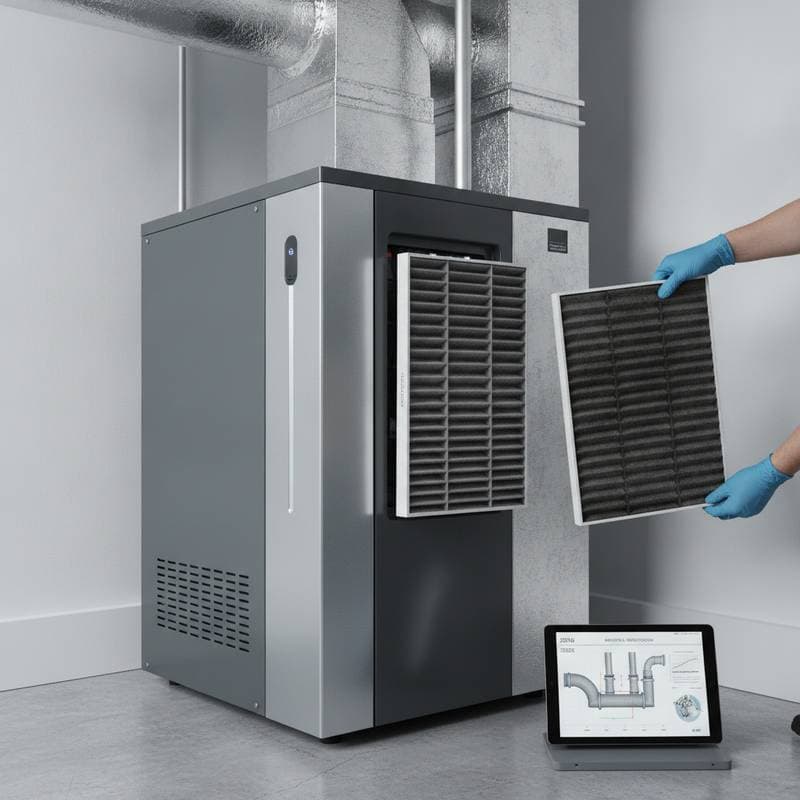
Adhering to a schedule remains important, yet physical inspections prove essential. Remove the filter and position it against a light source. If light fails to pass through or the surface appears gray and dust-laden, immediate replacement becomes necessary. Additional cues include diminished airflow from vents or an unexpected increase in utility costs. A blocked filter compels the fan to operate longer, which consumes extra energy and accelerates component deterioration.
Detailed Steps for Filter Replacement
- Deactivate the HVAC system via the thermostat or circuit breaker to avoid drawing debris into the ducts.
- Identify the filter compartment adjacent to the air handler, furnace intake, or return air grille. Many units feature an arrow denoting the airflow direction.
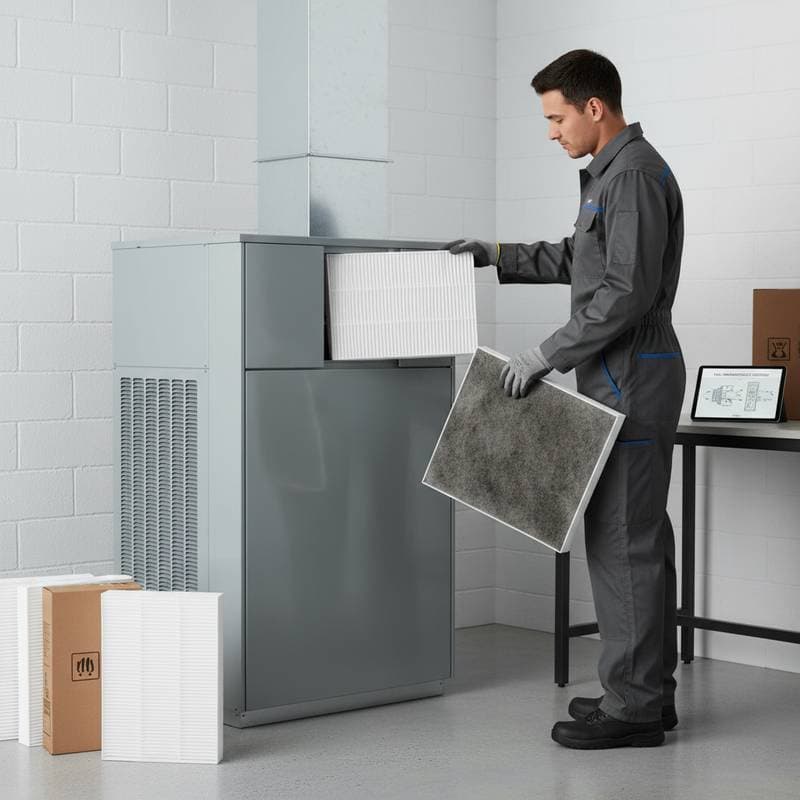
- Measure the current filter prior to purchasing a replacement. Prevalent dimensions encompass 16x20 inches, 20x25 inches, and 14x30 inches; verify the dimensions printed on the existing frame.
- Position the new filter with the airflow arrow oriented toward the blower motor.
- Mark the installation date directly on the filter frame using a permanent marker. This practice simplifies monitoring future replacement needs.
For washable electrostatic filters, clean them outside with a garden hose and allow full drying before reinsertion.
Pitfalls to Sidestep During Replacement
- Selecting an ill-fitting filter size. Even a slight mismatch permits unfiltered air to circumvent the filter and deposit dust within the system.
- Ignoring the airflow orientation. A reversed installation burdens the blower and compromises overall efficiency.
- Overlooking periodic inspections. Permitting the filter to darken substantially signifies that airflow has already declined markedly.
- Relying on excessively high-MERV filters. Options exceeding MERV 13 generate undue pressure drops in systems not engineered for them.
Adaptations for Accessibility and Unique Needs
Individuals with mobility challenges may prefer extended-life filters designed for six-month use. These options minimize replacement frequency while upholding air quality standards. When the return vent sits elevated on a wall or ceiling, employ a lightweight extension pole equipped with a magnetic end to secure grille screws without risk.
Prioritize stable ladders and dry surfaces if climbing proves necessary. Families dealing with asthma or allergies gain from electrostatic or pleated filters rated MERV 11 to 13. Pair these with periodic duct cleaning and a supplementary air purifier to achieve superior air purification.
Scenarios Requiring Professional Assistance
Contact an HVAC technician if the filter slot proves difficult to access or if replacement reveals unusual issues like excessive dust accumulation in the ducts or signs of system damage. Professionals can assess compatibility with higher-MERV filters and perform comprehensive cleanings. Seek expert help also for whole-home system upgrades or if energy inefficiencies persist post-replacement.
Sustaining HVAC Efficiency Into Winter
Timely filter changes represent a straightforward method to prolong HVAC lifespan and optimize performance. A well-maintained filter minimizes mechanical stress, ensures consistent airflow, and potentially decreases energy consumption by up to 15 percent. Program calendar alerts or phone reminders to facilitate ongoing checks and replacements.