Stop Costly Water Damage with Leak Detection
Water damage ranks among the most expensive and disruptive issues for homeowners. A minor leak left unchecked can warp floors, foster mold growth, and compromise structural integrity. Modern leak detection systems enable early intervention, often before visible signs emerge, through moisture sensors and smart monitoring. These tools help avert thousands of dollars in repairs and safeguard property over time.
Why Water Damage Escalates So Quickly
A steady drip can wreak havoc in concealed areas like walls or subfloors. Wood framing soaks up moisture, drywall weakens, and insulation fails to perform. This spread promotes mold and mildew, which pose health risks and demand costly cleanup. Common culprits include plumbing failures, roof leaks, and appliance malfunctions.
Leaks often begin subtly. A tiny pipe puncture might leak just drops per minute, evading notice for weeks. By the time stains surface or floors deform, extensive harm has occurred. Detecting issues promptly distinguishes minor fixes from major overhauls.
How Leak Detection Systems Function
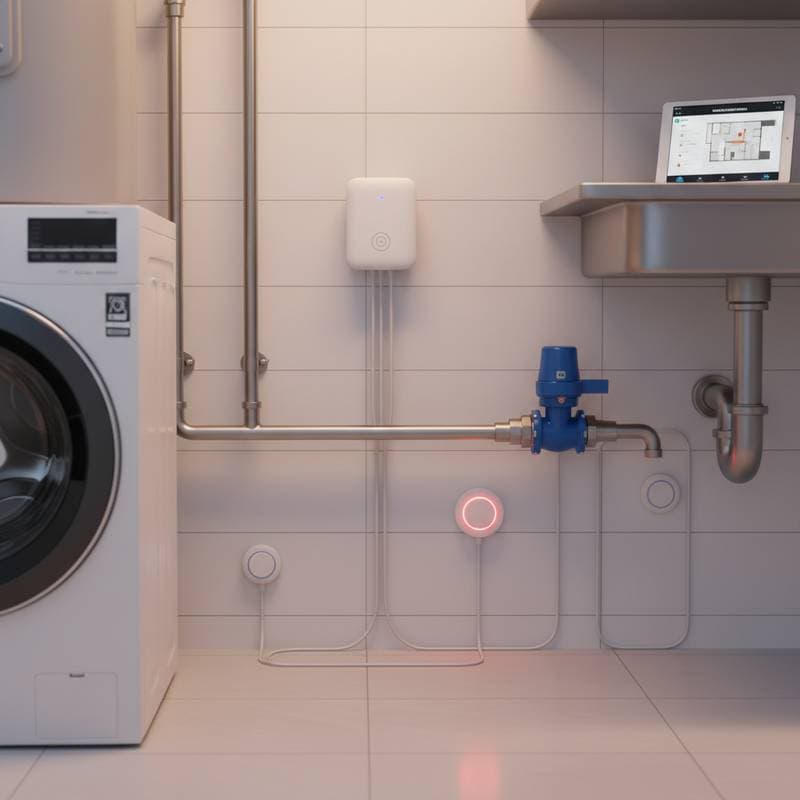
Leak detection systems deploy sensors in vulnerable spots to spot moisture or abnormal water flow. Upon detection, they notify users via smartphone apps, audible alarms, or central hubs. Sophisticated models automatically halt water flow to limit escalation.
Essential elements include:
- Moisture sensors that identify trace water on floors or beneath appliances
- Flow monitors that analyze usage patterns for anomalies
- Automatic shutoff valves that activate on detection
- Smart controllers compatible with home automation ecosystems
These parts collectively thwart expensive incidents. Basic setups with independent sensors can intercept leaks from washers, dishwashers, and heaters prior to significant harm.
Optimal Sensor Placement Strategies
Effective placement targets leak-prone zones. Install sensors in these areas:
- Under sinks and adjacent to toilets
- Beside washing machines, dishwashers, and refrigerators with water connections
- Near water heaters and HVAC equipment
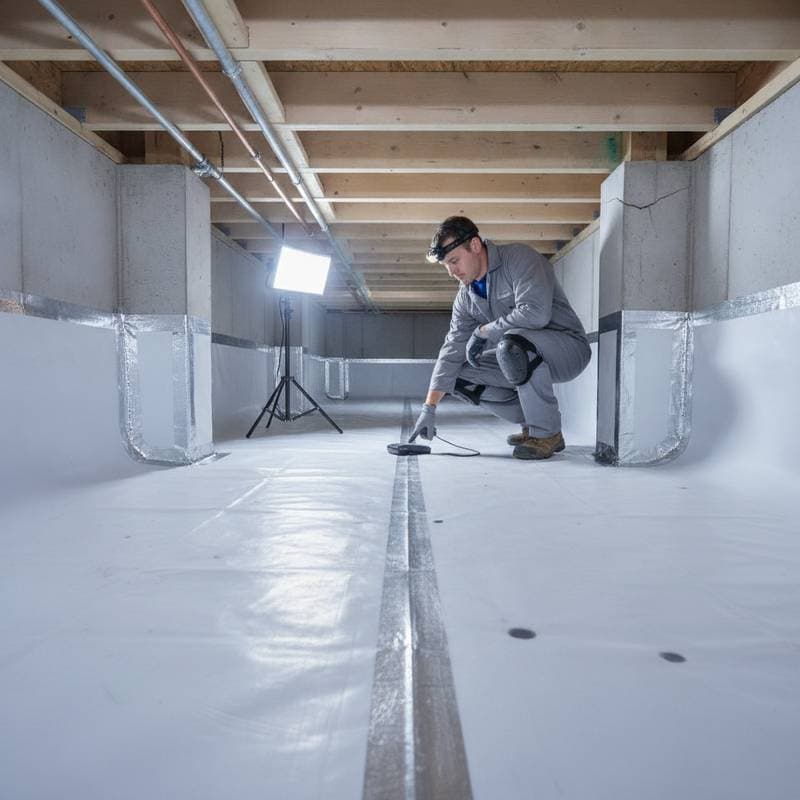
- In basements around sump pumps or foundation seams
- Below visible pipes in crawl spaces or utility areas
Consider sensors by windows, sliding doors, or attic vents to counter rainwater entry. For expansive properties, engage a specialist to map a comprehensive sensor array.
Pricing and Setup Factors
System costs fluctuate based on scope and features. Entry-level sensor kits linking to smartphones range from $50 to $200. Comprehensive whole-home setups, incorporating multiple sensors, flow tracking, and shutoff valves, span $500 to $2,000, including labor.
Ease of installation varies. Battery-operated sensors require minimal effort and setup in under an hour. Configurations with valves or monitors often necessitate a licensed plumber, adding $100 to $300 in fees.
Such investments pale against typical water damage costs, which frequently exceed several thousand dollars. As one homeowner shared on a home improvement forum, “My leak detector saved me from a $10,000 basement flood when my water heater cracked overnight.” Stories like this underscore prevention's worth.
Choosing Between DIY and Professional Setup
Confident DIYers can position standalone moisture sensors using basic tools. These units, powered by batteries, adhere to floors or mount via strips. Integrating smart controllers or valves demands plumbing expertise tied to the main line.
Opt for professionals if plumbing intimidates. Certified plumbers position sensors accurately and link to the primary supply. Manufacturers often mandate authorized installers for warranty validity. Experts also optimize valve locations to balance emergency response and daily flow.
A combined method suits many: self-install accessible sensors, then professionalize core integrations.
Enhancing with Smart Home Connectivity
Contemporary systems sync seamlessly with platforms like Google Home, Amazon Alexa, and Apple HomeKit. This setup delivers real-time phone alerts or voice cues. Certain models activate linked devices, such as deactivating appliances or modulating HVAC to curb post-alert humidity.
A smart home analysis revealed that properties with integrated sensors saw 40 percent fewer water claims on insurance. Insurers recognize this, offering premiums reductions for verified installations.
Resolving Typical System Glitches
Reliable systems still need routine verification. False triggers often stem from misplacement or over-sensitive calibration. If activation occurs sans moisture, wipe contacts and inspect for humidity or condensation.
Battery depletion prompts frequent warnings. Swap batteries every six to twelve months, per guidelines. For wired or Wi-Fi units, confirm network coverage at all sites. Poor signals hinder timely notices.
Should shutoff valves lag, check power and links. Periodic drills verify functionality during crises.
Broader Strategies to Avert Leaks
Leak detection complements comprehensive water oversight. Routine checks minimize initial risks. Examine lines and valves for rust or deterioration. Upgrade appliance hoses to braided stainless steel for durability against bursts. Maintain gutters and downspouts to divert exterior water.
Test sensors biannually by simulating leaks with small water amounts. Verify app configurations for active alerts and current details.
During remodels or plumbing work, embed detection early. Contractors can conceal sensors in walls or floors for integrated protection.
Indicators for Professional Intervention
Seek expert aid for these signals:
- Unexplained water bill surges
- Ongoing musty odors in basements or crawls
- Emerging mold or flaking paint
- Growing water marks
Plumbers conduct pressure tests to uncover concealed leaks and validate system performance. For structural concerns, restoration pros evaluate and mend impacted elements.
Delaying pros until damage shows costs more. Initial assessments, around a few hundred dollars, forestall thousands in fixes.
Enduring Advantages of Early Detection
Leak systems deliver sustained fiscal and ecological gains. Prompt catches preserve water, cut waste, and shield home integrity. Owners gain constant reassurance from vigilant oversight.
These features boost market appeal. Buyers value protective tech that trims insurance exposure. Evolving affordability and compatibility make them essential for any residence.
Sustaining System Effectiveness
View installation as an ongoing commitment within home care. Dust sensors and conduct tests routinely. Refresh batteries and firmware for peak operation. Adapt placements as plumbing or appliances evolve.
Frequent travelers or landlords benefit from remote access. Remotely halt supply to avert distant disasters. This oversight secures assets and finances enduringly.
Proactive measures fortify against prevalent threats. Smart detection, upkeep, and timely expertise ensure a secure, resilient home.