Fall HVAC Filter Changes: Timing and Optimal Choices
As temperatures drop and heating systems take over from air conditioners, homeowners often overlook a vital maintenance step: replacing the HVAC filter. A fresh filter improves air quality while supporting energy efficiency, extending equipment life, and ensuring consistent comfort. Fall provides an excellent opportunity to establish a reliable maintenance routine in preparation for the demands of winter.
The Importance of Fall Filter Replacement
Air conditioners operate continuously during summer, drawing in dust, pollen, and pet dander that accumulate on the filter. By fall, restricted airflow compels the HVAC system to labor excessively, resulting in elevated energy costs and risk of mechanical failure. Addressing this issue early maintains optimal performance when heating is essential.
The filter serves as the primary barrier against airborne contaminants. A soiled filter disrupts airflow and temperature regulation. Professionals emphasize that routine replacements represent the easiest method to sidestep costly repairs, such as blower motor overheating or unexpected furnace shutdowns.
Decoding Filter Ratings and Construction
Filters vary significantly, with selection influenced by system specifications, family requirements, and financial considerations. The MERV rating, or Minimum Efficiency Reporting Value, provides a benchmark for particle capture effectiveness across size ranges.
- MERV 1-4: Basic disposable varieties that safeguard equipment yet offer limited air purification.
- MERV 5-8: Suitable for typical homes, effectively trapping dust, lint, and pollen.
- MERV 9-12: Advanced options that capture fine particles including pet dander and mold spores.
- MERV 13-16: Ideal for allergy-prone households seeking exceptional air quality.
Fiberglass models prove affordable for monthly changes but provide basic filtration. Pleated synthetic filters endure longer and seize smaller contaminants. Reusable washable filters demand frequent cleaning to retain efficacy. Households with pets or allergies benefit most from pleated or electrostatic designs.
Establishing a Reliable Replacement Schedule
Autumn marks the start of a structured filter replacement regimen. Change filters every one to three months, adjusted for system usage and regional air conditions. Implement reminders to simplify adherence.
- Monthly Inspection: Examine for evident dirt or staining; replace if the filter appears gray or dusty.
- Quarterly Exchange: Swap every three months regardless of appearance, as invisible particles diminish performance.
- Peak Usage Adjustment: Increase frequency during intense heating or cooling phases to preserve airflow.
- Seasonal Sensitivities: For residents with respiratory conditions, accelerate changes amid high pollen counts.
Smart thermostats often feature built-in alerts for filter needs. Alternatively, set calendar notifications or organize spares in a marked area. Stock extras to eliminate delays.
Step-by-Step DIY Filter Replacement
Filter replacement requires minimal effort, yet following precise steps guarantees safety and accuracy.
- Power Down the Unit: Deactivate the HVAC system to halt air circulation during the process.
- Identify the Slot: Locate the compartment adjacent to the return duct or blower assembly.
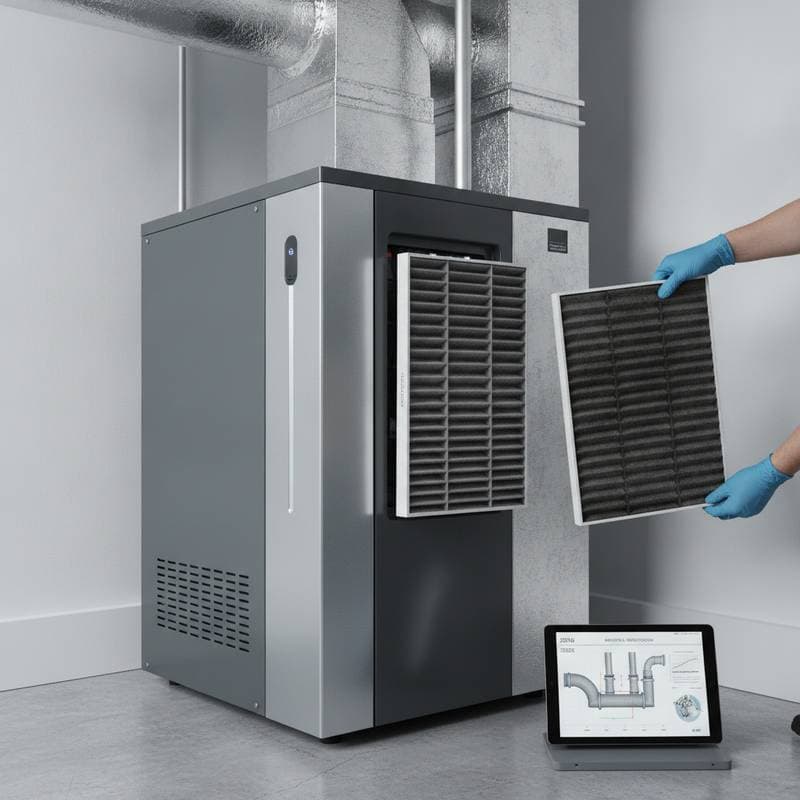
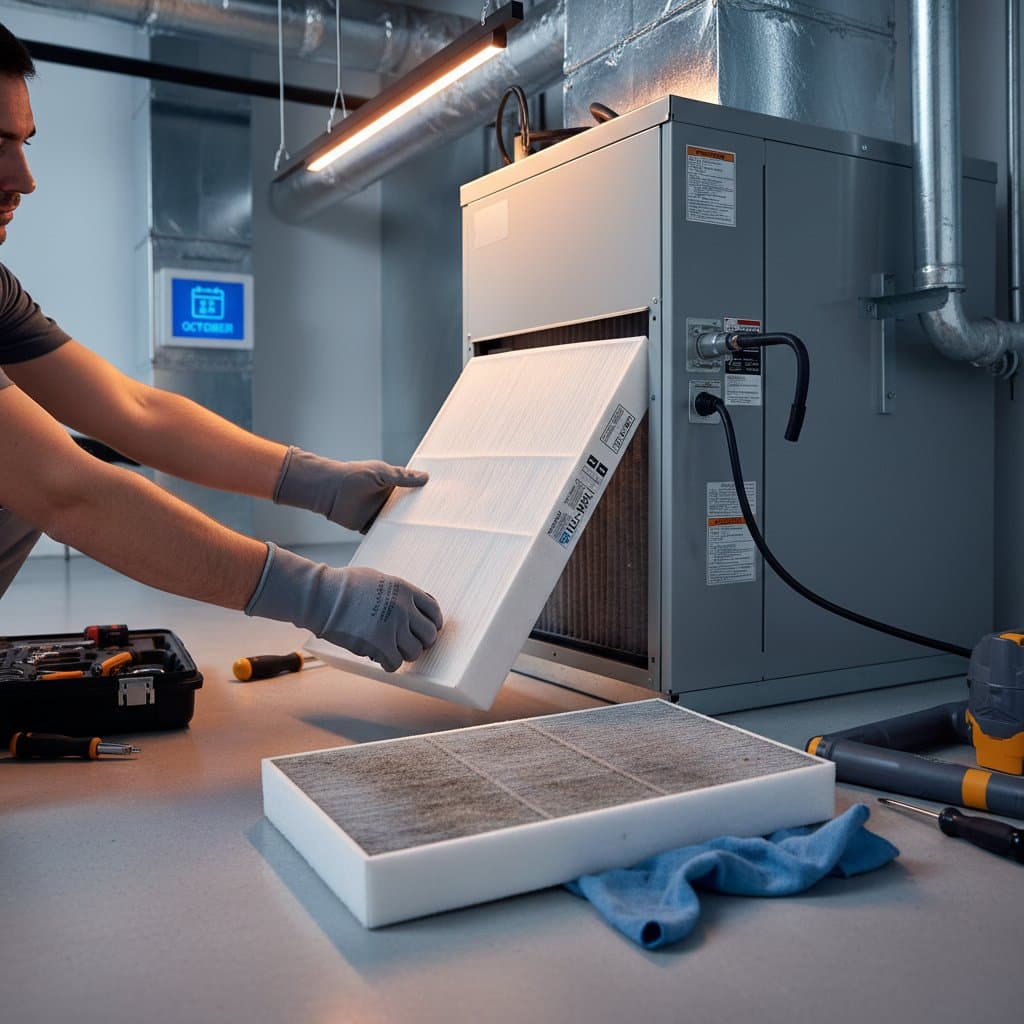
- Extract the Used Filter: Withdraw it gently to minimize dust dispersal.
- Verify Flow Orientation: Note the arrows on the frame indicating airflow direction; position the new filter accordingly, pointing toward the blower.
- Seal and Reactivate: Affix the panel and resume operation.
Determine size from the existing filter's edge or manual. Common dimensions stock easily, while bespoke sizes order from suppliers.
Advanced Filters and Integrated Technologies
Innovations simplify HVAC care. Intelligent filters from manufacturers like Filtrete or Honeywell incorporate sensors monitoring airflow and debris buildup. Linked to apps, they notify users of replacement timing based on real conditions, avoiding unnecessary or delayed swaps.
Certain ecosystems pair filter data with air quality sensors tracking humidity, particulates, and odors. Many users observe reduced allergy effects and superior air when combining these with compatible thermostats. Though initial costs exceed basics, such systems prolong hardware durability and curb ongoing energy demands.
Weighing Expenses Against Benefits
Filter costs span a broad spectrum, yet premium selections frequently yield savings in energy and service fees. Research indicates high-quality pleated filters lower HVAC energy draw by up to 10 percent versus neglected or inferior alternatives.
In dusty or pet-filled homes, mid-tier pleated filters optimize airflow and capture. Washable types appear economical but falter without meticulous cleaning. For reliability, disposable pleated remain preferable for average households.
Assess needs when deciding efficiency levels. A MERV 8 suffices for low-allergen, light-use setups. MERV 11 or 12 suits families with vulnerable members, balancing protection and system load.
Indicators of Delayed Replacement
Despite routines, certain symptoms signal an urgent filter need:
- Accelerated dust on surfaces or registers.
- Prolonged run times or temperature inconsistencies.
- Sudden utility bill spikes.
- Musty scents upon startup.
- Intensified indoor allergies or breathing difficulties.
Inspect promptly upon noticing these. Restricted flow from dirt risks component harm or automatic halts.
Safeguarding System Longevity
Consistent filter maintenance preserves your HVAC investment. A well-maintained unit operates silently, delivers uniform warmth, and stabilizes expenses. Integrate replacements into fall preparations alongside tasks like duct sealing and burner checks.
Subscription deliveries from services streamline the process, shipping tailored filters on schedule. Dedicate time seasonally to these practices. The result: pristine air, dependable heat, and minimized costs throughout the colder periods.