Preparing for Fall Chimney Inspections: Costs and Essential Checks
Cooler temperatures prompt thoughts of warm evenings beside the fireplace. However, igniting the first fire requires a thorough chimney inspection to safeguard the home. Knowledge of inspection processes and associated costs enables informed planning and averts unexpected issues.
Optimal Timing for Chimney Inspections in Fall
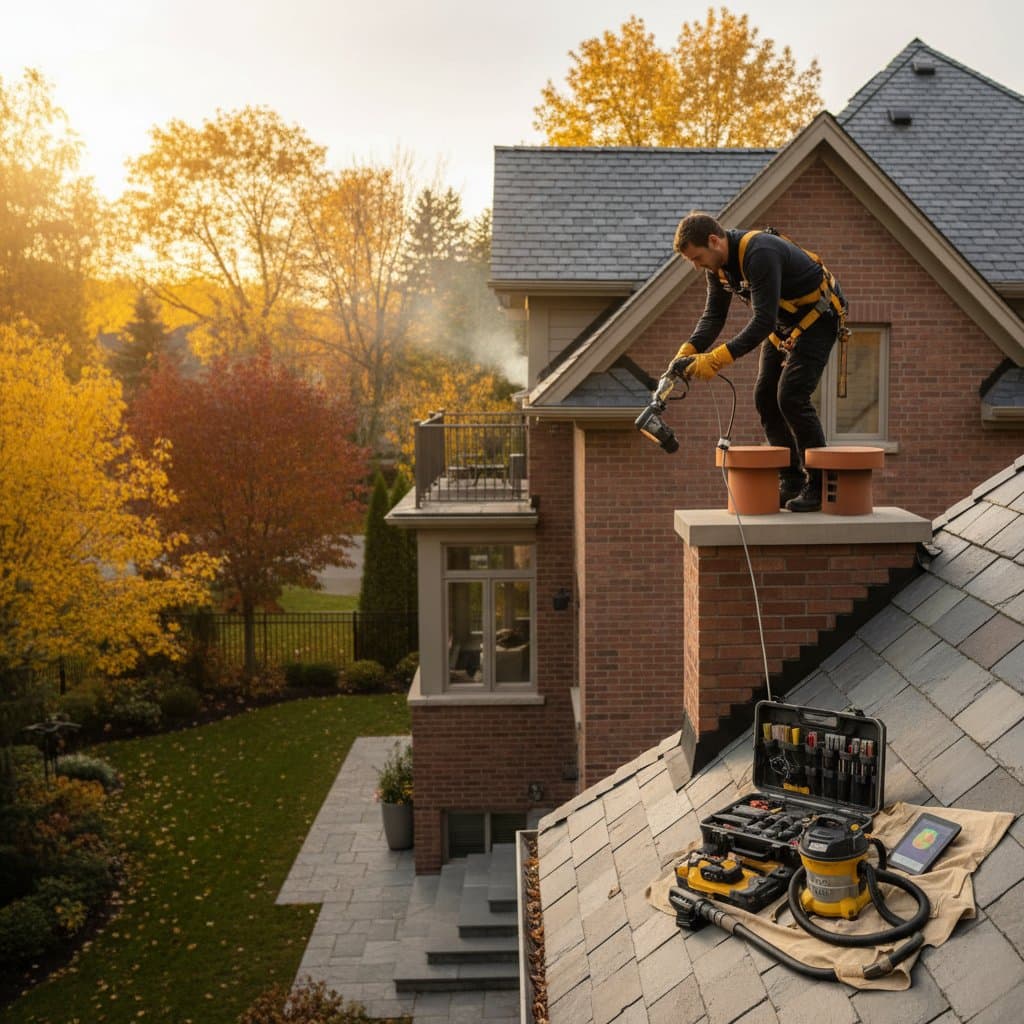
Fall provides the prime opportunity for chimney maintenance, occurring just prior to peak fireplace usage. Early detection of issues prevents escalation during colder months. Common concerns include creosote accumulation, displaced bricks, wildlife intrusions, and concealed fractures that develop during idle periods. The National Fire Protection Association advises annual inspections, particularly for residences with wood-burning appliances.
Image suggestion: A professional technician inspecting a chimney flue using a flashlight.
Alt text: Chimney specialist examining flue for damage and obstructions.
Components of a Professional Chimney Inspection
Inspections adhere to three tiers established by the National Fire Protection Association, each tailored to specific circumstances and requirements.
-
Level One Inspection
This foundational evaluation suits chimneys in routine use without evident deterioration. Inspectors examine visible portions of the chimney, flue, and firebox for soot deposits, fissures, and impediments. Annual maintenance with seasoned hardwoods typically necessitates only this level. -
Level Two Inspection
A comprehensive review applies during property transactions, post-storm events, or fuel conversions. It incorporates internal flue videoscopy to uncover concealed flaws, alongside examinations in attics or crawl spaces where chimney elements appear. -
Level Three Inspection
Reserved for suspected severe structural compromise, this in-depth process may entail disassembly of chimney sections or adjacent materials. Though uncommon, it guarantees identification of obscured defects.
Chart suggestion: Comparative table of inspection levels, including scope, duration, and recommended frequency.
Average Costs for Inspections and Cleaning Services
Expenses for chimney inspections and cleanings fluctuate based on location, chimney construction, and service depth. A Level One inspection paired with cleaning generally falls between 150 and 300 dollars. This fee encompasses technician labor, equipment usage, and debris removal.
Level Two services, involving advanced imaging, range from 250 to 500 dollars. Level Three evaluations, potentially requiring preliminary disassembly, exceed 500 dollars and may approach 1,000 dollars or more. Investing in these assessments often offsets greater expenses from fire incidents or interior damage.
Chart suggestion: Bar graph illustrating average costs across inspection levels, with and without cleaning add-ons.
Key Factors Influencing Inspection Expenses
Multiple elements determine the final price of chimney services. Awareness of these variables assists in precise budgeting and service selection.
- Chimney Construction: Brick or masonry chimneys incur higher fees than prefabricated metal systems owing to intricate designs and fracture risks.
- Usage Patterns: Frequent operation demands more regular cleanings, elevating annual expenditures.
- Creosote Accumulation: Substantial deposits prolong cleaning efforts and necessitate specialized implements.
- Access Challenges: Elevated structures or sloped roofs complicate access, increasing labor charges.
- Repair Necessities: Discoveries like deteriorated mortar joints or faulty dampers generate additional repair invoices.
Advantages of Consistent Chimney Upkeep
Routine inspections yield benefits that surpass mere hazard prevention. Enhanced airflow reduces smoke reversion and boosts combustion efficiency. Early intervention on minor defects prolongs chimney durability.
Residents frequently note diminished odors and improved indoor atmospheres following professional cleanings. Forum discussions highlight that fall appointments secure prompt service and competitive pricing. Certified sweepers emphasize that proactive scheduling circumvents peak-season backlogs.
Frequent Discoveries in Autumn Assessments
Fall evaluations commonly reveal several persistent concerns:
- Creosote Deposits: Flammable byproducts of incomplete wood combustion that accumulate along flue walls.
- Flue Tile Fractures: Resulting from thermal expansion and water infiltration cycles.
- Vent Obstructions: Accumulated leaves, nests, or debris that impede proper ventilation.
- Compromised Chimney Caps: Absent or fractured covers permitting pest entry and precipitation damage.
- Water Damage Indicators: Stains signaling erosion that undermines masonry integrity over seasons.
Prompt remediation of these findings minimizes repair scope and expenses. Neglect may necessitate extensive reconstruction or full system overhauls.
Pre- and Post-Inspection Safety Measures
Preparation ensures a smooth process and optimal results.
- Allow the chimney to cool completely before the scheduled visit; avoid recent fire use.
- Clear ashes and loose materials from the firebox hearth.
- Request a detailed written summary post-inspection to guide follow-up actions.
- Arrange cleaning services immediately if recommended, prior to fireplace activation.
- Position a carbon monoxide alarm in proximity to the fireplace for ongoing monitoring.
Image suggestion: A homeowner consulting an inspection report alongside a certified technician.
Alt text: Discussion of chimney findings and maintenance plan between homeowner and expert.
Steps to Schedule and Maintain Your Chimney
Initiating a fall inspection represents a proactive measure for household security. A verified chimney delivers reliable warmth sans peril while stabilizing upkeep budgets. Opt for the appropriate service tier based on your chimney's history and condition.
Adherents to yearly protocols experience reduced urgent interventions and sustained appliance performance. Strategic autumn preparation fosters a secure, inviting hearth that enhances home enjoyment throughout the year.