Key Fall HVAC Maintenance Tasks to Prevent Winter Breakdowns
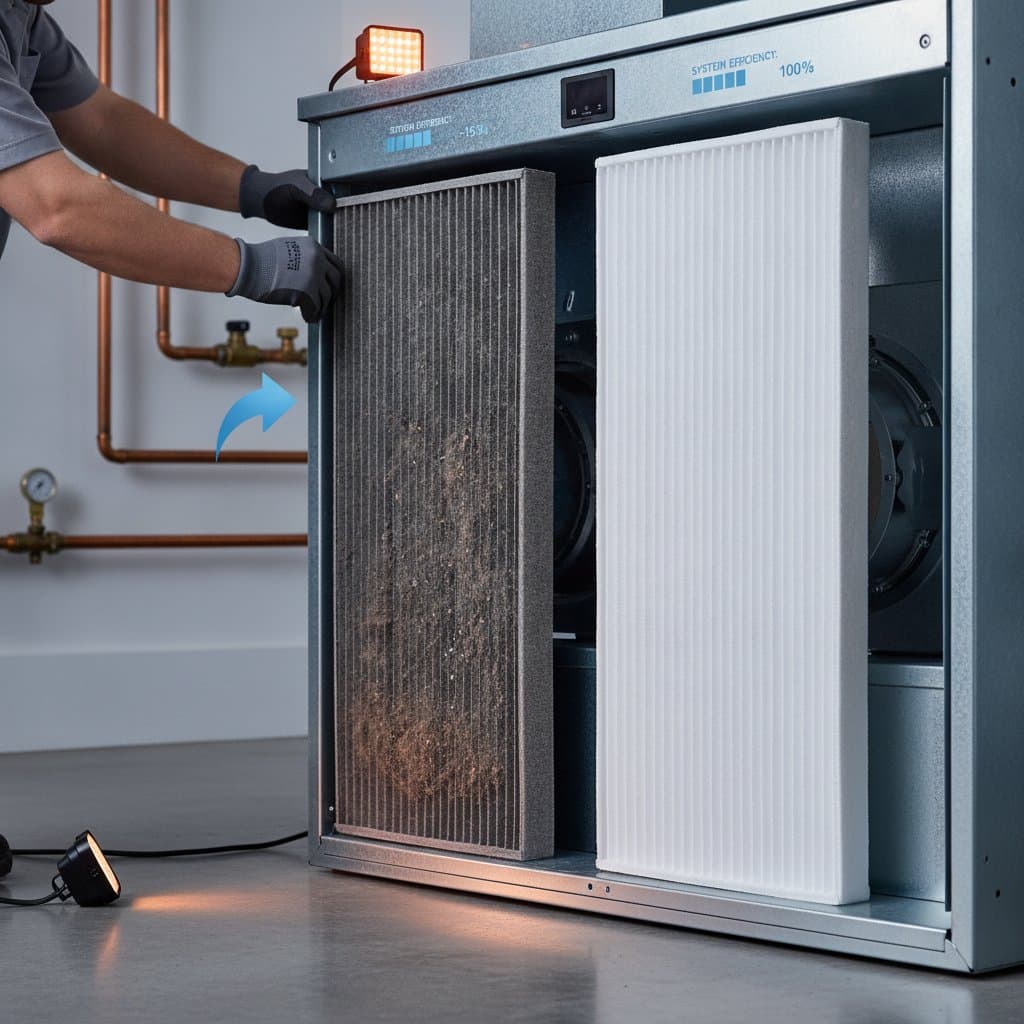
As temperatures drop, homeowners face the risk of furnace failures during the coldest months. Fall preparation for heating, ventilation, and air conditioning systems reduces this strain and avoids unexpected repair costs. Preventive actions ensure reliable performance, enhance energy savings, and maintain indoor comfort throughout winter.
Beyond breakdown prevention, regular upkeep optimizes efficiency, prolongs equipment lifespan, and promotes safe operation. Homeowners can perform basic tasks independently, while professionals handle complex inspections. Knowledge of essential steps equips individuals to address needs proactively and minimize seasonal disruptions.
Clean Return Vents and Registers
Dust and debris in return vents hinder airflow, forcing the system to operate less efficiently. In preparation for winter, remove vent covers and vacuum interiors thoroughly to eliminate accumulated particles, including pet hair and dirt. Verify that furniture or rugs do not obstruct vents, as even minor blockages lead to uneven heat distribution.
Significant buildup or mold signals the need for expert duct cleaning. Such services, typically priced from 300 to 600 dollars, enhance indoor air quality and allow the system to function more effectively.
Inspect the Furnace Ignition and Burner
The ignition system ensures the furnace starts reliably each time. Accumulated dirt and carbon on burners can cause ignition delays, unusual noises, or odd odors during operation. Homeowners should watch for these signs, which indicate the need for professional attention.
Licensed technicians perform this inspection during a tune-up, which costs 100 to 200 dollars. The process involves cleaning burners, examining ignition parts, and verifying safety features. Industry professionals note that annual tune-ups significantly decrease the chances of winter failures.
Seal Air Leaks Around Ducts and Registers
Gaps in ductwork cause substantial heat loss, compelling the furnace to consume more energy. Sealing these leaks improves overall heating performance and reduces utility expenses.
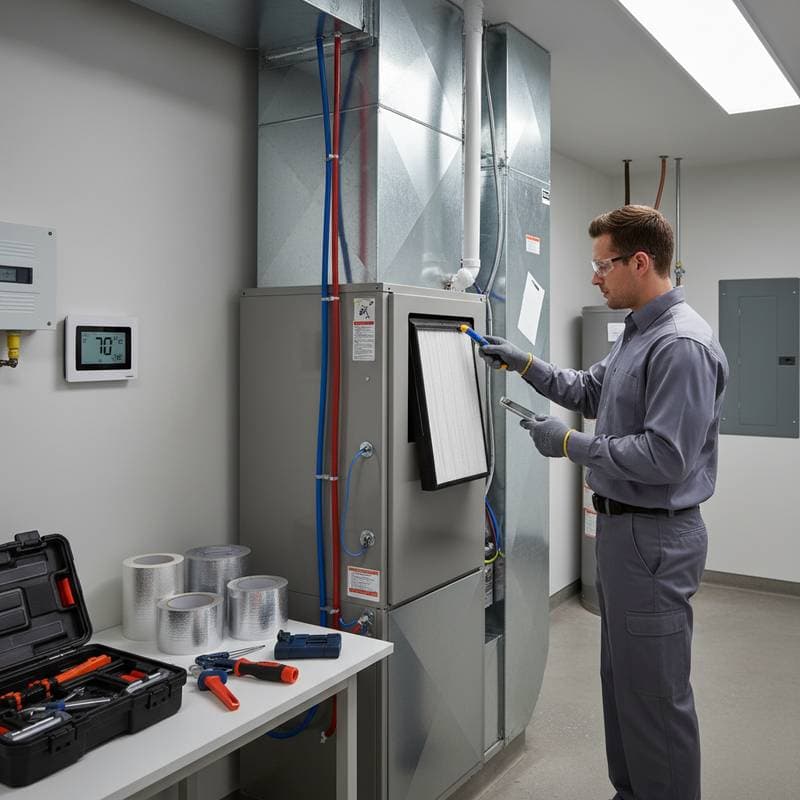
Steps for DIY sealing:
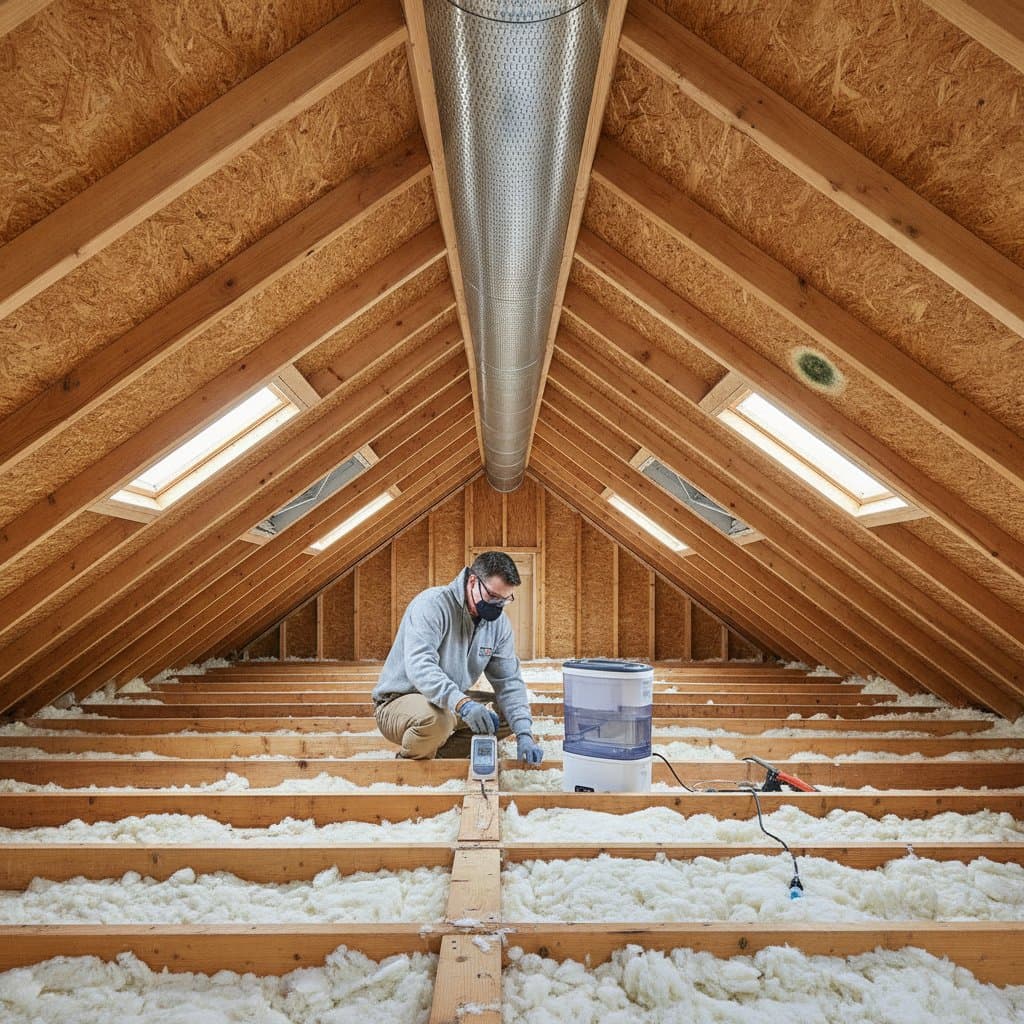
- Shut off the HVAC system and locate accessible ducts in attics, basements, or crawl spaces.
- Identify separations, holes, or loose joints.
- Apply metal-backed tape or mastic sealant to close gaps; steer clear of cloth duct tape, which degrades over time.
For comprehensive results, professional sealing ranges from 500 to 1,000 dollars and can boost efficiency by up to 20 percent, yielding long-term savings on bills.
Clean the Outdoor Unit
Heat pumps and hybrid systems rely on unobstructed outdoor units for optimal function. Fallen leaves and yard waste accumulate in fall, so clear these materials with a soft brush and rinse coils using low-pressure water. Maintain a minimum two-foot clearance around the unit to support unrestricted airflow.
Overlooking this maintenance risks coil icing or compressor strain, both of which require costly repairs. The task demands less than one hour and basic household tools.
Inspect Carbon Monoxide and Smoke Detectors
Heating systems generate combustion byproducts, such as carbon monoxide, which pose serious health risks if ventilation fails. Before activating the furnace, test all detectors for functionality and replace batteries as necessary. Check unit expiration dates to confirm ongoing reliability.
Experts advise placing detectors outside sleeping areas and near the furnace location. Quality units cost 30 to 60 dollars and deliver essential early warnings.
Schedule a Professional HVAC Tune-Up
DIY efforts provide a strong foundation, yet expert evaluations uncover hidden issues. Technicians during a fall service clean intricate parts, adjust controls, inspect refrigerant in applicable systems, and assess combustion processes.
Many providers feature seasonal packages covering both heating and cooling components. Select technicians certified by organizations like NATE or ACCA for assured expertise.
Build Long-Term System Reliability
Routine care fosters dependable heating and sustained performance. Regular filter changes, duct sealing, and inspections alleviate operational stress on the furnace.
Maintain a seasonal checklist to track filter replacements, tune-up dates, and any addressed concerns. For aging systems prone to frequent repairs, consult contractors on upgrades; newer models achieve up to 20 percent greater efficiency, cutting heating expenses substantially.
Investing time in fall preparation secures winter comfort without interruptions. A well-maintained HVAC setup, featuring clean components and verified safety measures, stands ready for the demands of cold weather.