
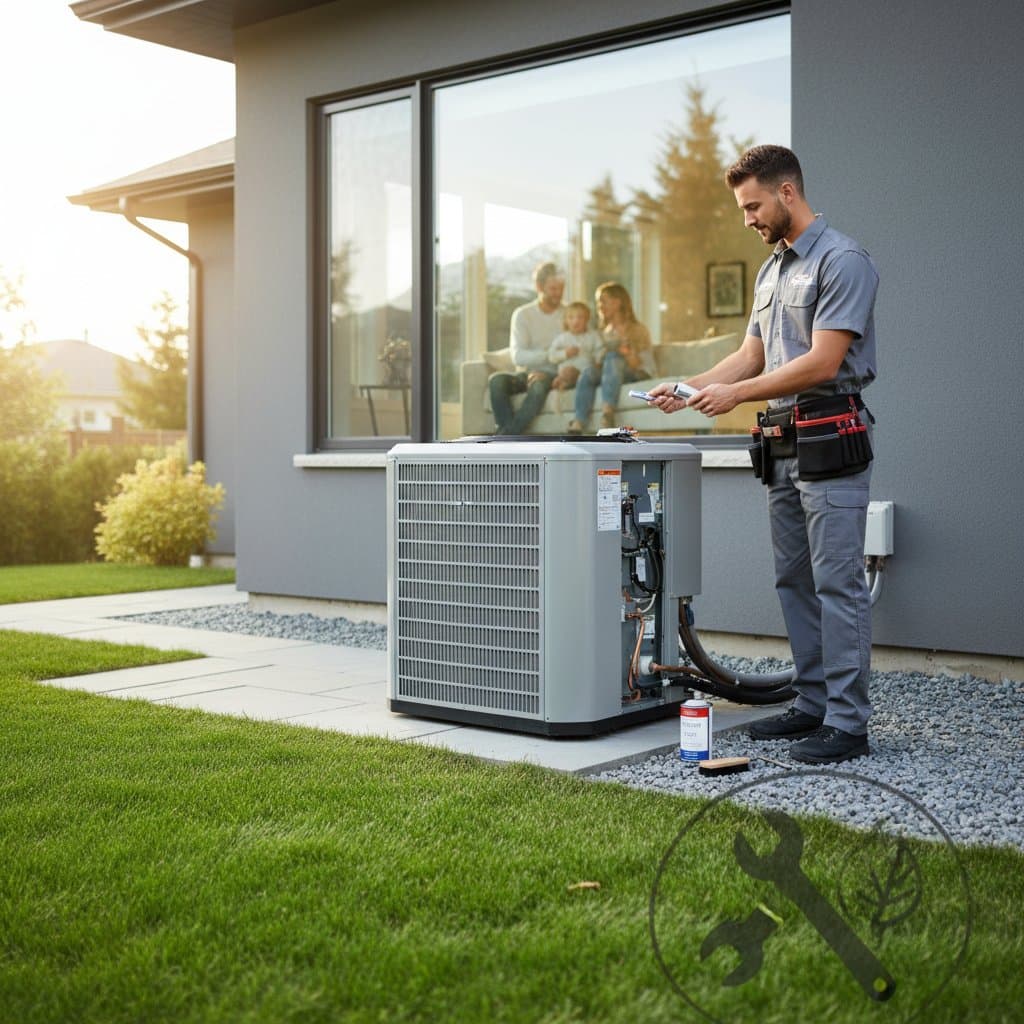
Prevent Summer AC Breakdowns with Early Maintenance
When temperatures rise, your air conditioner serves as the primary source of comfort in your home. An unexpected failure on a sweltering day can quickly turn a pleasant space into an uncomfortable one. By preparing your AC system well before summer arrives, you save money, minimize disruptions, and prolong the lifespan of your cooling equipment. Through targeted maintenance steps and expert assistance, you avoid expensive repairs and maintain steady comfort throughout the season.
The Importance of Regular AC Maintenance
Air conditioners operate under significant strain each time they activate. Dust accumulation, debris buildup, and gradual mechanical degradation diminish performance and invite malfunctions over time. Consistent maintenance ensures smooth operation, halts minor problems before they escalate, and optimizes efficiency during peak demand periods.
Systems that receive inadequate care often exhibit indicators such as elevated utility bills, uneven temperature distribution, or strange operational sounds. These symptoms frequently stem from obstructed filters, soiled coils, or insufficient refrigerant. Resolving these concerns promptly proves far more economical than overhauling a failed compressor or motor.
Breaking Down AC Tune-Up Expenses
The expense associated with readying your air conditioner for summer varies based on system specifications, age, and prior upkeep. The following overview assists in budgeting effectively.
Expenses for DIY Maintenance
Individuals can manage fundamental tune-up procedures with limited financial outlay. Typical costs encompass:
- Air filters: Options span from affordable disposable varieties to durable high-efficiency models that require cleaning.
- Coil cleaner: A single canister of foaming solution for the outdoor unit delivers effective results at a low price.
- Fin comb: This tool straightens deformed aluminum fins on the condenser, preventing airflow restrictions.
- Thermometer: Use it to confirm that the system cools air to the expected temperature, typically 14 to 20 degrees Fahrenheit below intake air.
Anticipate modest spending for routine cleaning and filter swaps. The primary commitment involves one to two hours of effort, contingent on your familiarity with the process.
Expenses for Professional Maintenance
Expert AC tune-ups involve thorough examinations, cleaning procedures, and operational assessments. Technicians evaluate electrical systems, gauge refrigerant charges, sanitize coils, and confirm adequate airflow. Fees for such services commence at around $75 to $150, with potential increases for necessary repairs or component substitutions. Maintenance agreements frequently offer reduced rates for ongoing care and expedited appointments.
Elements Influencing Overall Costs
Multiple variables impact the final price:
- System dimensions and configuration: Expansive or multi-zone setups demand extended labor and additional supplies.
- Unit accessibility: Installations in elevated or confined locations, such as rooftops or attics, incur extra charges for maneuvering.
- Degree of accumulation or deterioration: Long-neglected equipment necessitates intensive cleaning or part exchanges.
- Regional environmental conditions: Intense usage in arid or humid climates calls for more regular interventions.
Committing to thorough maintenance averts substantial repair bills. Although professional services carry an initial premium, they yield returns via enhanced performance and reduced electricity consumption.
Weighing DIY Against Professional Options
Advantages of DIY Approaches
- Reduces expenditures on technician fees and travel.
- Fosters understanding of key system elements.
- Enables prompt responses to straightforward matters, such as filter renewals and surface debris clearance.
Limitations of DIY Methods
- Lacks access to advanced diagnostic instruments and proprietary tools.
- Heightens the chance of overlooking concealed defects, including refrigerant shortages or wiring anomalies.
- Poses hazards when interacting with rotating mechanisms or live circuits.
Advantages of Professional Interventions
- Delivers exhaustive evaluations from certified specialists.
- Identifies subtle faults that elude untrained observation.
- Satisfies manufacturer warranty stipulations, which typically mandate expert servicing.
- Provides assurance that the unit stands prepared for intensive seasonal operation.
Comparison of Time Requirements
Self-directed maintenance may span several hours across a weekend. In contrast, a professional evaluation concludes in under one hour during a scheduled visit.
Essential AC Maintenance Queries
How frequently should maintenance occur?
Annual scheduling proves optimal. A springtime service readies the system for rigorous summer demands.
What components does a professional tune-up cover?
Anticipate reviews of electrical connections, refrigerant verification, coil sanitation, drain line flushing, and thermostat adjustments.
Do soiled filters lead to significant harm?
Affirmative. Airflow impediments compel the unit to labor excessively, potentially overheating the compressor and curtailing its durability.
Why does the AC operate yet fail to cool adequately?
Frequent culprits include depleted refrigerant, contaminated coils, or a defective capacitor. Professional assessment remains essential.
Is it safe to clean the outdoor condenser independently?
You may clear external foliage and refuse safely. For internal coil treatment, proceed cautiously or engage a professional to safeguard fragile fins.
Does refrigerant replenishment qualify as a DIY procedure?
Negative. Proper management demands EPA certification and dedicated apparatus; delegate to qualified personnel.
Do ceiling fans diminish AC reliance?
Yes. They distribute chilled air effectively, permitting a higher thermostat setting while preserving comfort.
How to gauge AC energy efficiency?
Examine the SEER rating affixed to the unit. Elevated values signify superior performance and diminished running expenses.
What indicates an approaching failure?
Blowing warm air, atypical sounds, erratic cycling, or surging bills signal the need for immediate inspection.
Do service contracts justify their expense?
For properties with aging units or several systems, yearly plans offset repair costs and guarantee dependable support.
Step-by-Step Decision Framework
Step 1: Evaluate System Condition
Review the unit's age and operational history. Persistent malfunctions or temperature inconsistencies warrant expert attention.
Step 2: Gauge Personal Expertise
If proficient in basic tasks and safety protocols, initiate with self-maintenance. Reserve electrical or refrigerant concerns for professionals.
Step 3: Compute Comprehensive Expenses
Factor in repair probabilities, personal time, and prospective energy reductions. Modest upfront spending forestalls major future outlays.
Step 4: Consider Potential Hazards
Engaging electrical features or refrigerants carries risks. Disconnect power sources prior to any contact.
Step 5: Finalize Your Approach
For enduring dependability and optimal performance, integrate routine self-care with yearly expert evaluations.
Setting Up for Effective AC Preparation
- Prepare the surroundings: Relocate furnishings, foliage, or litter near indoor and outdoor components.
- Inspect filters: Renew or cleanse them in advance of any evaluation.
- Time the service wisely: Book appointments early in spring to evade peak-season delays.
- Establish a practical budget: Allocate funds for incidental fixes or replacements.
- Record baseline metrics: Log ambient temperatures and billing statements to monitor post-maintenance gains.
Expert Recommendations for Optimal Results
- Maintain steady thermostat levels to ease component stress.
- Install a programmable model to oversee cooling patterns intelligently.
- Prune surrounding foliage to facilitate unobstructed condenser ventilation.
- Examine refrigerant line insulation for fractures or degradation.
- Monitor for aberrant noises following servicing to detect emerging concerns swiftly.
Thorough AC maintenance ranks among the most prudent preparations for impending summer warmth. A sanitized system, optimized airflow, and expert validation deliver dependable cooling, trimmed energy expenses, and unburdened relaxation across the entire season.




