Prevent Summer AC Breakdowns: 2025 Checklist and Cost Guide
As temperatures climb, a reliable air conditioner supports health, safety, and daily comfort. Many homeowners delay action until the first heatwave reveals system problems. Proactive maintenance avoids expensive repairs and excessive energy costs. This guide offers a comprehensive checklist for AC preparation and outlines expected expenses for tune-ups and repairs.
Benefits of Early AC Preparation
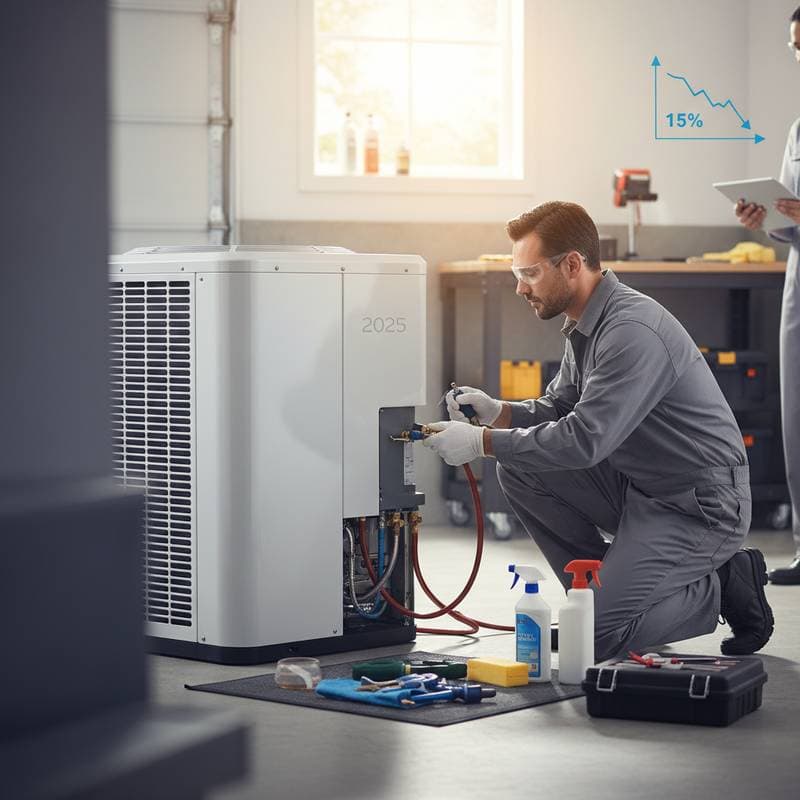
Air conditioners face maximum strain during peak summer heat. Neglected components, such as dirty coils or insufficient refrigerant, often result in compressor malfunctions or diminished cooling power. A properly maintained system operates with 15 percent less energy consumption, potentially saving hundreds of dollars across the cooling season.
HVAC professionals recommend servicing units before demand peaks. Early inspections eliminate the need for urgent service calls, which carry premium prices during busy periods. Scheduling ahead allows time to obtain multiple quotes and address any repairs systematically.
Key Steps in AC Maintenance
Effective tune-ups examine every critical component to optimize cooling and efficiency. The following checklist guides homeowners and technicians alike. Refer to it when planning your service appointment.
-
Clean or replace air filters
Clogged filters impede airflow and force the system to labor excessively. Exchange disposable filters every one to three months. Clean reusable ones according to manufacturer guidelines. -
Examine and clean coils
Evaporator and condenser coils accumulate grime over time. This residue hampers heat exchange and lowers performance. Technicians use specialized tools to remove buildup and restore full capacity. -
Verify refrigerant levels
Insufficient refrigerant indicates potential leaks, which compromise efficiency and pose environmental risks. Only certified experts should test, fix leaks, and recharge the system. -
Unclog the condensate drain
This line expels moisture generated during operation. Blockages lead to water accumulation and structural damage. Flush it periodically with a mild vinegar or bleach solution. -
Review electrical components and controls
Frayed connections or malfunctioning controls disrupt operation. Secure all wiring and evaluate safety relays for consistent function. -
Apply lubrication to moving parts
Fans and motors require periodic oiling to minimize wear. This routine maintenance prolongs the durability of essential elements. -
Calibrate the thermostat
Inaccurate readings result in inconsistent temperatures and higher energy use. Adjust or replace with programmable models for precise regulation. -
Assess ductwork integrity
Leaks in ducts waste up to 30 percent of cooled air. Seal accessible joints with metal-backed tape and inspect concealed areas for improvements.
Expected Expenses for Tune-Ups and Repairs
Professional AC tune-ups typically range from $80 to $200, varying by system size, regional rates, and provider expertise. These fees include thorough inspections, cleaning, and minor adjustments.
Additional repairs arise from identified issues. Common costs encompass:
- Refrigerant leak detection, repair, and recharge: $200 to $600
- Capacitor or contactor exchange: $100 to $300
- Blower motor replacement: $400 to $800
- Compressor overhaul: $1,200 to $2,500
Consistent servicing reduces the likelihood of these outlays. Numerous HVAC firms provide annual contracts with two visits at reduced rates, plus benefits like expedited appointments and waived diagnostics.
Simple DIY Maintenance Tasks
Homeowners can support professional care with routine checks. Maintain clearance around the outdoor condenser by removing leaves and debris. Keep vegetation trimmed back at least two feet to ensure unobstructed airflow.
Monitor indoor vents for obstructions from furnishings or fabrics. Dust registers and return grilles monthly with a vacuum. Prioritize filter changes, as blockages strain coils, cut airflow, and elevate power draw.
Observe for signs of trouble, including warm output, unusual sounds, or short cycling. Power down the unit immediately and contact a specialist to prevent escalation.
Selecting a Qualified HVAC Technician
Prioritize providers with valid licenses, insurance coverage, and relevant certifications. Inquire about detailed inspection processes, such as digital reports or visual documentation of completed work. Established companies provide transparent explanations and itemized estimates prior to service.
Seek recommendations from local networks to gauge reliability. Steer clear of unusually low quotes that might compromise comprehensive evaluations. Quality service aligns with fair pricing that accounts for skilled labor.
Maximizing Efficiency for Lasting Savings
Routine care sustains optimal performance and averts failures. Clean coils and balanced refrigerant ease compressor workload, potentially adding years to the unit's lifespan. Integrate enhancements like energy-efficient filters or automated thermostats to amplify results.
Complement AC efforts with supplementary measures. Install ceiling fans to circulate air effectively. Apply window treatments to block solar heat gain. Address attic sealing and insulation upgrades to decrease overall cooling demands.
Sustain Peak Performance Year-Round
View AC upkeep as an ongoing commitment to protect a significant home asset. Book professional services in early spring, maintain clean filters, and track system behavior during use. These practices secure reliable cooling, fresher air quality, and financial protection against summer extremes.