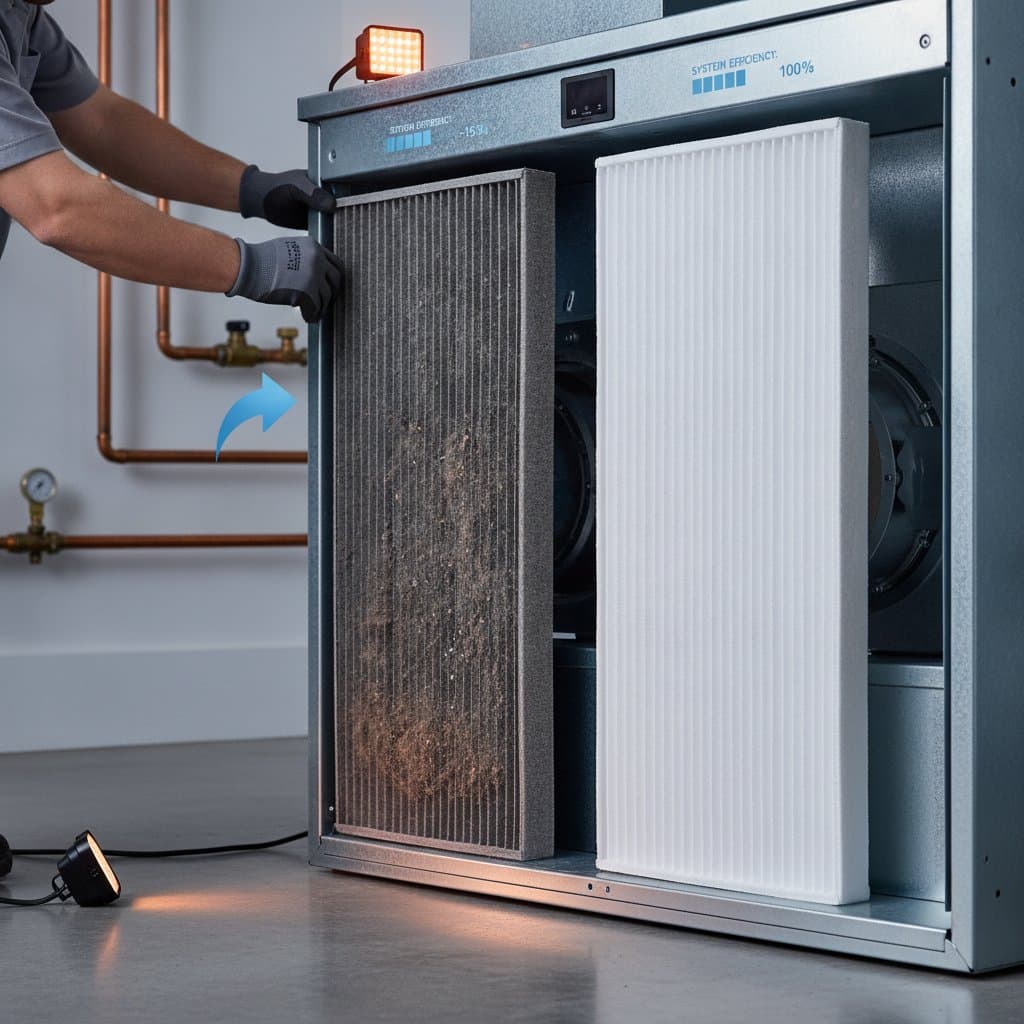
Discover 2025 Costs for Upgrading Home Air Quality
Homeowners increasingly prioritize cleaner indoor air amid rising concerns over pollutants and allergens. Extended time indoors, coupled with awareness of health impacts from poor ventilation, drives demand for effective solutions. Air quality upgrades range from basic filter replacements to advanced whole-home systems, each offering distinct benefits in comfort, wellness, and efficiency. Grasping the factors influencing 2025 costs enables informed decisions that align with specific needs and financial plans.
Main Types of Air Quality Upgrades
Homes vary in size, construction, and existing ventilation, so upgrades must address unique challenges. The categories below outline popular options, including estimated 2025 costs based on material quality, size, and installation complexity.
-
HVAC Filtration Upgrades
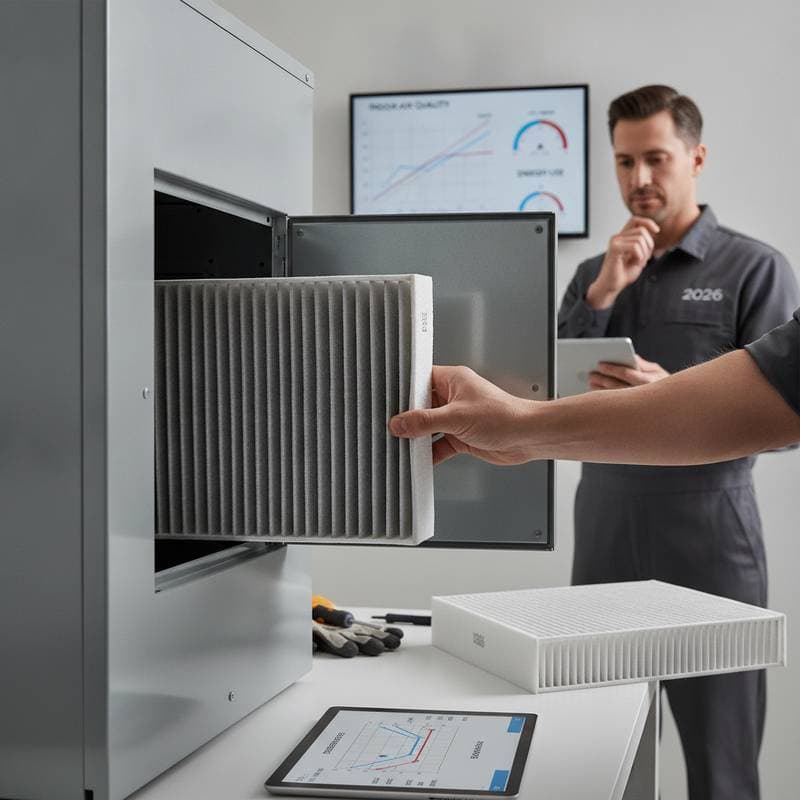
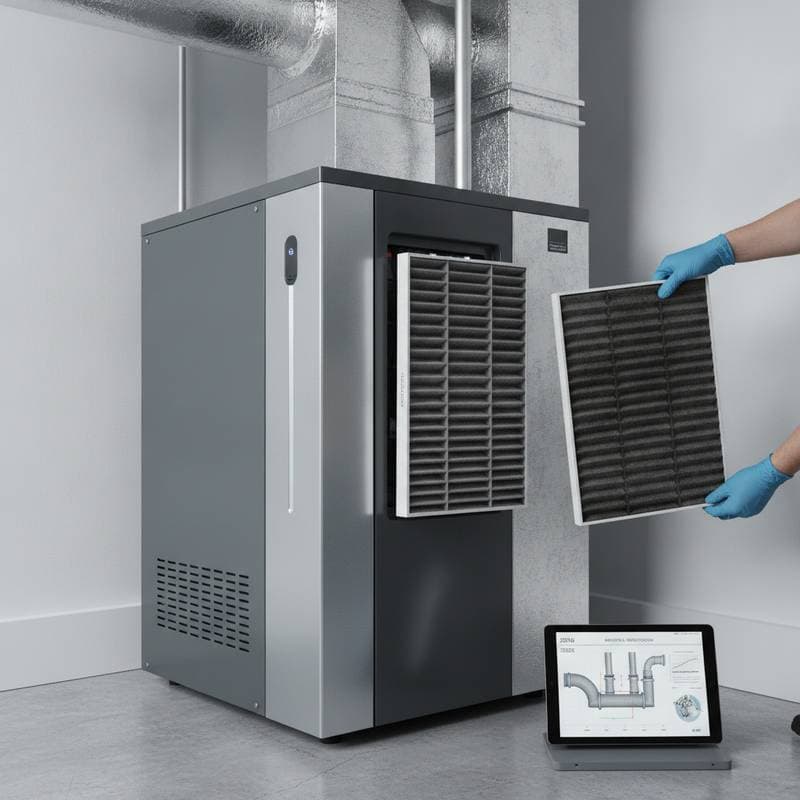
Standard furnace or air conditioner filters capture basic dust, but high-efficiency particulate air (HEPA) or electrostatic models trap finer particles like pollen and pet dander. These upgrades integrate seamlessly into current HVAC setups without major modifications. Expect costs from $50 for a basic pleated filter pack to $300 for premium HEPA replacements, plus $100 to $200 for professional assessment if needed. -
Whole-House Air Purifiers
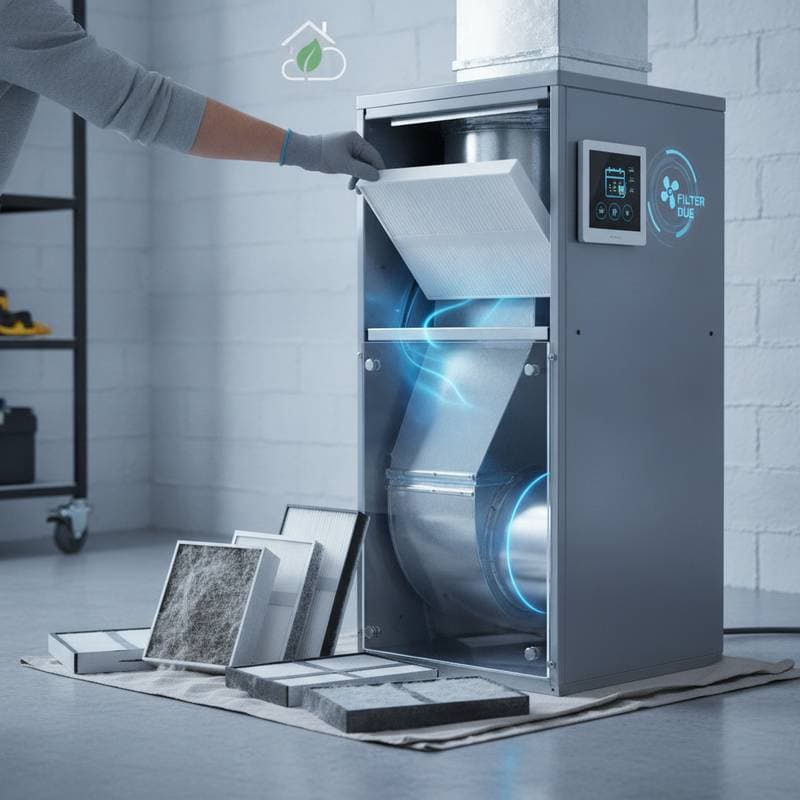
Installed directly into the HVAC ductwork, these systems circulate purified air throughout the entire home, targeting smoke, volatile organic compounds, and viruses. Advanced models feature multi-stage filtration with activated carbon for odor control. Prices in 2025 start at $600 for entry-level units suitable for 1,500 square feet, rising to $2,500 for high-capacity systems in larger homes, including installation. -
Portable Air Cleaners
Freestanding units provide targeted purification in individual rooms, making them suitable for apartments or temporary fixes. Equipped with HEPA filters and sometimes ionizers, they effectively reduce odors from cooking or smoking. Compact models for bedrooms cost $150 to $400, while larger units for living areas range from $300 to $800, with minimal setup required. -
UV Light Systems
Ultraviolet germicidal irradiation (UVGI) lamps installed in ducts or near coils destroy airborne pathogens, including bacteria and mold spores, by disrupting their DNA. These enhance other systems by preventing microbial growth in hidden areas. Initial costs include $400 to $1,200 for the unit and professional installation, with annual bulb replacements at $50 to $100. -
Humidity Control Systems
Maintaining 30 to 50 percent relative humidity prevents dry skin, static, and mold proliferation while enhancing overall air feel. Whole-home humidifiers or dehumidifiers integrate with HVAC or operate standalone. Prices begin at $200 for basic console dehumidifiers and reach $1,500 for integrated systems, factoring in capacity for home size and energy source.
Combining upgrades, such as pairing filtration with UV treatment, amplifies effectiveness while distributing costs over time. Homeowners often start with filtration enhancements before scaling to comprehensive solutions.
How to Choose the Right System
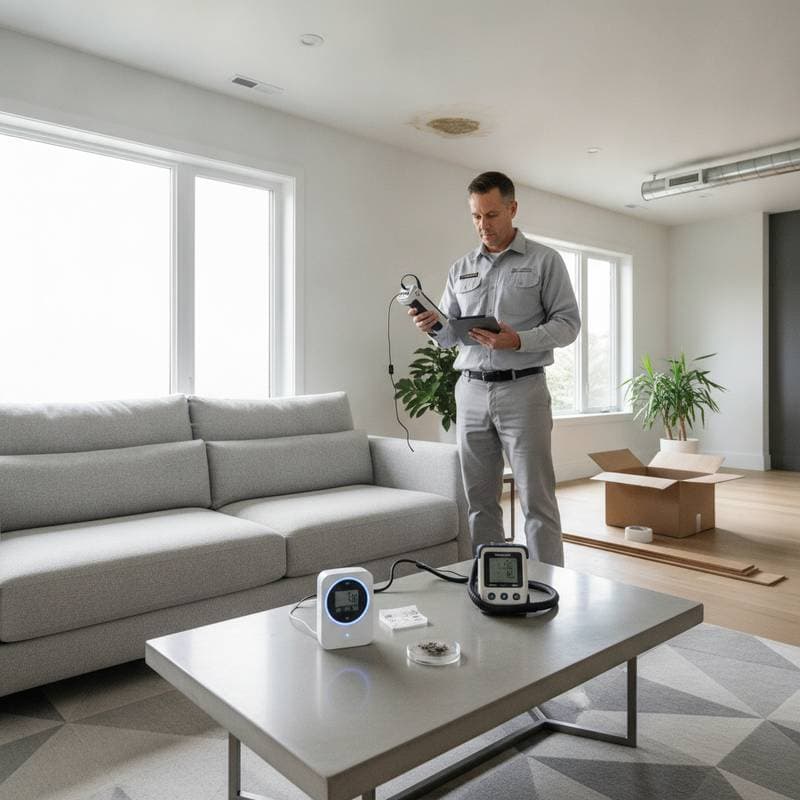
Effective selection begins with evaluating your home's specific air quality challenges. Professional or DIY testing kits measure particulate levels, humidity, and volatile compounds to guide choices.
Steps to choose the right upgrade:
- Assess current air quality. Inspect for visible dust on surfaces, persistent odors, or symptoms like frequent sneezing among residents.
- Measure ventilation performance. Evaluate airflow by noting stuffy areas or inconsistent temperatures across rooms; use a simple anemometer for precise readings.
- Compare system options. Select based on coverage area, for example, a purifier rated for 2,000 square feet for medium homes, and review certifications like AHAM Verifide for performance claims.
- Set a budget. Account for upfront costs, ongoing maintenance like filter swaps every three to six months, and potential energy adjustments.
- Hire qualified installers. Engage certified HVAC technicians to handle electrical connections and duct modifications, ensuring compliance with local codes.
Suggested image: A technician installing a whole-house air purifier, labeled “Professional Air Quality System Installation.”
Common Questions About Air Quality Costs
Is upgrading worth the cost?
Upgrades prove valuable for households experiencing chronic allergies or poor sleep due to air irritants. Beyond health gains, they lower utility bills through optimized HVAC operation and may increase resale value by up to 5 percent in eco-conscious markets.
Can I install filters myself?
Routine filter changes require only basic tools and take under 15 minutes, following manufacturer diagrams. However, whole-house purifiers or UV systems demand expert installation to avoid airflow disruptions or electrical hazards.
How long do systems last?
Portable cleaners endure five to seven years with regular cleaning, while built-in HVAC components last 10 to 15 years. Lifespan extends through timely filter replacements and annual professional tune-ups.
Do upgrades use more electricity?
Most additions consume less than 50 watts, comparable to a light bulb, and often reduce overall energy by keeping ducts cleaner and coils efficient, potentially saving 10 to 20 percent on heating and cooling bills.
Are there rebates or tax credits?
Energy Star-certified systems qualify for federal tax credits up to $600 under the Inflation Reduction Act, plus state utility rebates averaging $200 to $500. Consult local providers or the ENERGY STAR website for eligibility.
Cost Comparison with Other Home Improvements
Air quality enhancements offer strong value relative to other projects. A $1,000 whole-house purifier rivals the price of a mid-range refrigerator yet benefits every occupant daily. Unlike cosmetic updates such as painting ($2,000 to $5,000), these yield measurable health and efficiency returns without altering aesthetics.
Suggested chart image: A bar graph comparing 2025 average costs: air quality systems ($500 to $2,500), LED lighting upgrades ($200 to $800), insulation additions ($1,000 to $3,000), and smart thermostats ($150 to $400).
Maintaining Your Investment
Sustained performance relies on routine care to preserve air quality gains and extend system life. Replace filters according to usage, typically every 90 days for high-traffic homes, and clean portable units weekly to prevent efficiency loss. Schedule annual inspections for whole-house setups to check for duct leaks or bulb degradation, costing $100 to $300. Track humidity levels with built-in gauges or apps to adjust settings seasonally, ensuring optimal comfort year-round. These habits not only safeguard your investment but also maximize health benefits and energy savings over time.