How 2026 HVAC Standards Transform Your Filter Replacement Schedule
Homeowners increasingly prioritize indoor air quality, energy efficiency, and maintenance expenses. Stricter regulations and sophisticated HVAC technologies set to launch in 2026 elevate the role of filter schedules. Grasping adjustments to replacement routines, along with emerging materials and tools, ensures optimal system performance and longevity.
Reasons Behind Evolving Filter Schedules
Air filters serve critical functions beyond capturing dust: they safeguard blower motors, sustain proper airflow, and minimize allergens. These components directly influence energy consumption and equipment durability. As HVAC designs advance toward superior efficiency and integrated monitoring, systems grow more responsive to airflow impediments from soiled filters.
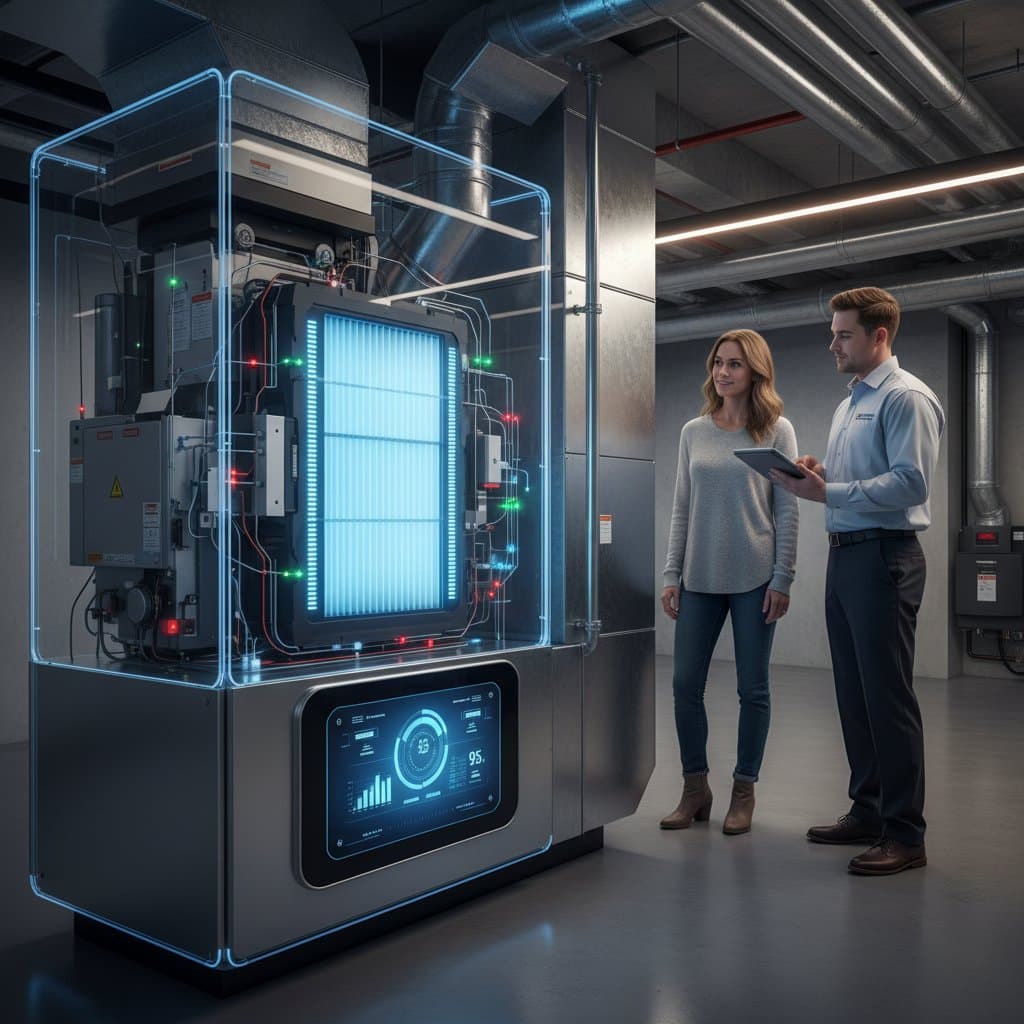
Future models incorporate sensors to monitor pressure differentials and air purity levels. When a filter requires attention, the system might throttle operations or send notifications via linked thermostats. This shift moves homeowners away from visual inspections toward data-informed decisions that optimize timing and performance.
Updated Guidelines for Filter Replacements
Conventional advice suggests replacements every one to three months, factoring in household activity, pets, and local air conditions. However, enhanced systems and superior filter designs extend these periods. Consider the following tailored intervals for typical residences:
- Basic fiberglass options: Swap every 30 days. These budget-friendly choices handle everyday dust but saturate rapidly in moderate environments.
- Pleated varieties (MERV 8-12): Renew every 60 to 90 days. Such filters elevate air cleanliness and suit standard households without specialized needs.
- Premium selections (MERV 13+): Refresh every 90 to 120 days. Ideal for allergy-prone families or paired with cutting-edge HVAC setups.
- Advanced HEPA or sensor-equipped types: Intervals adjust via real-time metrics, often spanning 4 to 6 months.
With widespread adoption of intelligent oversight, alerts derive from precise airflow readings rather than fixed calendars. This approach minimizes excess swaps while upholding steady indoor conditions.
Financial Implications of Adapted Routines
Expenses for filters span a broad spectrum. Entry-level fiberglass units cost mere dollars, whereas premium or intelligent versions range from twenty to sixty dollars apiece. Despite elevated upfront investments, durable filters enhance operational efficiency, potentially slashing energy demands by as much as 15 percent, per analyses from efficiency specialists.
Over a year, these efficiencies often recoup added costs for average households. Moreover, reduced failures and pristine ducts prolong furnace or handler service by years. Neglected filters, on the other hand, provoke issues like coil icing or motor overload, incurring steep repair fees.
Steps to Refine Your Maintenance Plan
Prepare your HVAC for impending efficiency mandates by establishing a forward-thinking filter strategy today. Implement this sequence to customize a routine suited to your living space.
- Determine filter specifications. Examine the existing unit's markings or the unit's compartment for size and MERV details; note them for ongoing use.
- Assess environmental factors. Residences with animals, tobacco use, or intensive meal preparation demand shorter cycles. In pollen-heavy or arid regions, anticipate accelerated soiling.
- Log each installation. Set calendar alerts or app notifications to monitor progress; regularity preserves ventilation.
- Conduct routine visual checks. Regardless of rated lifespan, review monthly for visible accumulation.
- Consider enhancements. If compatible, select elevated MERV levels to curb irritants and promote better circulation.
- Account for usage surges. Install fresh filters ahead of intense heating or cooling periods to handle increased loads.
Handling Replacements: Self-Service or Expert Help
Most filter changes rank among the simplest homeowner duties, completing in under five minutes without specialized equipment. Remove the worn filter, verify the directional arrow, and secure the replacement in matching alignment.
Certain configurations place filters within intricate ductwork or elevated registers, complicating access. For units shielded by enclosures or proximate to wiring, engage a certified technician during scheduled servicing. Numerous providers now bundle filter supply and fitting into subscription packages for seamless upkeep.
Integrating Intelligent Filters and Networked Controls
Intelligent filters emerge as key innovations, equipped with sensors to gauge resistance and usage patterns. They notify users through smartphone applications or synced devices when service approaches. Accumulated logs also aid professionals in pinpointing operational anomalies.
Though pricier initially, these tools streamline processes and avert errors. Pilot programs with networked HVAC reveal up to 25 percent fewer redundant exchanges, all while stabilizing air standards. For those with existing smart thermostats or automated ecosystems, such features render oversight effortless.
Pitfalls to Sidestep in Filter Care
Overlooking filter duties tops the list of performance detractors in HVAC operations. Accumulation occurs swiftly, often unnoticed. Steer clear of these prevalent oversights:
- Ill-fitting selections: Gaps permit contaminants to evade capture, undermining protection.
- Layering units: Adding extras hampers flow and stresses components.
- Recycling one-time items: Visual cleanliness belies diminished capacity after exposure.
- Neglecting idle periods: Vacant properties or vacation retreats still benefit from timed interventions, particularly amid variable moisture or particulates.
Strategies to Avert Emerging Problems
Steadfast filter protocols ward off expensive disruptions. Soiled media burdens engines, accelerating deterioration. They exacerbate particle spread, hastening residue on fixtures and registers.
Schedule yearly duct evaluations for breaches that erode effectiveness. Apply certified sealants to fissures. For central intakes, clear surrounding areas with a vacuum to curb ingress. These practices alleviate pressures and refine atmospheric health.
Enduring Advantages of Proactive Schedules
Diligent filter management yields tangible gains. Purer atmospheres alleviate respiratory discomforts, while unrestricted paths trim power usage. Routinely serviced units endure longer intervals between overhauls and sidestep urgent interventions.
Embracing data-guided tracking and robust media positions residents ahead of regulatory shifts. Precision in maintenance, driven by embedded analytics, supplants estimation with reliability. Proactive alignment safeguards wellness and asset value for the long haul.
In essence, filter regimens evolve toward informed accuracy. Enhanced purity, diminished expenses, and intuitive aids ensure sustained comfort and operational prowess.