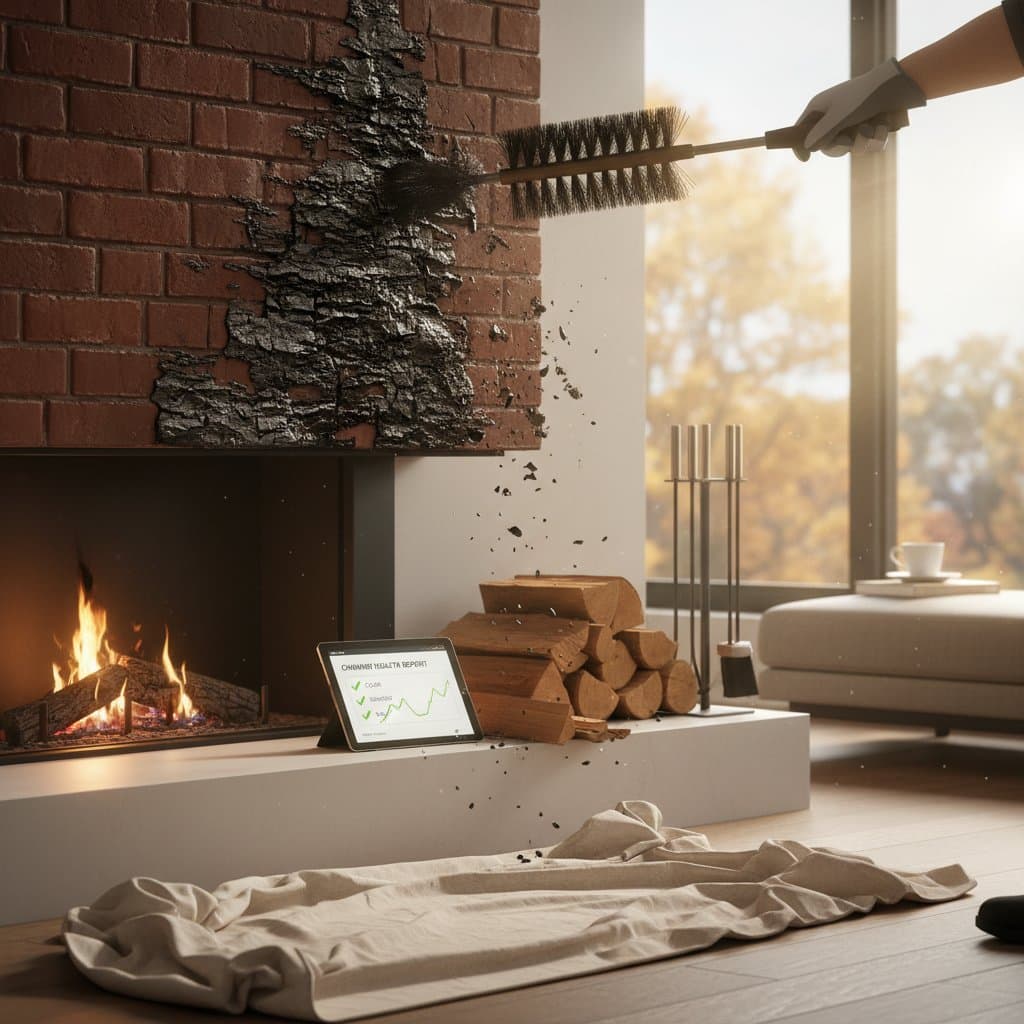
Essential Fall Preparation: Ensuring Chimney and Fireplace Safety
Cooler temperatures prompt many homeowners to anticipate the comfort of fireside gatherings. Prior to kindling the initial blaze, confirm that the chimney and fireplace function cleanly, securely, and effectively. Neglect in this area poses significant risks, while proactive maintenance averts substantial costs down the line.
The Importance of Chimney Maintenance
Chimneys expel smoke, gases, and soot from the residence. Blockages or coatings of creosote disrupt this vital ventilation process. Creosote emerges as a tar-like, highly flammable deposit from incomplete wood combustion. Failure to eliminate it permits ignition within the flue, resulting in a perilous chimney fire. The National Fire Protection Association advises annual inspections and cleanings to mitigate these dangers.
Gas fireplaces require scrutiny as well. Although gas combustion generates fewer particulates than wood, exhaust paths accumulate lint, nests, or rust over time. A thorough check verifies unobstructed venting and averts dangerous carbon monoxide accumulation.
Indicators That Your Chimney Requires Service
Multiple cues suggest the need for chimney or fireplace attention prior to operation. Observe the following:
- Dark, flaky deposits lining the flue or firebox, indicating substantial creosote layers.
- Smoke drifting into living spaces, signifying inadequate draft or obstructions.
- Persistent odors emanating from the unused unit, often due to dampness or retained soot.
- Deteriorating bricks or eroded mortar, which permit water infiltration and structural compromise.
- White powdery residue on outer bricks, known as efflorescence, evidencing moisture migration.
Upon detecting these issues, arrange for expert intervention before resuming fireplace use.
Engaging Professional Cleaning and Inspection Services
The most reliable preparation involves a certified chimney professional. The Chimney Safety Institute of America notes that basic cleanings range from $150 to $400, influenced by chimney height, access difficulty, and deposit volume. Technicians employ specialized rods, brushes, and vacuums to dislodge soot and creosote, while examining the flue lining for fissures and verifying the integrity of caps and dampers.
Opt for a Level 1 inspection for systems in routine use without modifications. Select Level 2 for units with recent additions like inserts, fuel conversions, or post-damage recovery; this entails video scoping to uncover concealed flaws. Expect the procedure to span one to two hours for a typical single-flue setup.
To maximize value, inquire about post-service reports detailing findings and recommendations. Professionals often suggest scheduling during off-peak months for reduced wait times and potentially lower fees.
Practical DIY Maintenance Tasks
Between expert visits, owners manage basic upkeep to sustain optimal conditions. Remove cooled ashes from the firebox, retaining a slim base layer for insulation in subsequent burns. Test the damper for fluid operation; if resistant, scrape off accumulations and apply heat-resistant lubricant to pivots.
Examine the chimney crown using binoculars from below. Confirm its stability and absence of debris like foliage or wildlife intrusions. Absent or compromised crowns invite precipitation and pests, fostering corrosion and clogs. For low-use chimneys, install a durable stainless-steel screen with spark arrestor features to bolster safeguards.
On brick chimneys, repair minor mortar voids using refractory mortar formulated for extreme temperatures. Steer clear of standard sealants ill-suited to thermal fluctuations. Apply a permeable masonry coating externally to deflect water while permitting vapor escape, thus preventing internal condensation.
Selecting and Using Firewood Effectively
Effective fireplace operation hinges on suitable fuel sources. Choose air-dried hardwoods like oak, maple, or hickory, which ignite efficiently and minimize residues. Unseasoned or moist logs generate excessive smoke and accelerate creosote formation. Verify moisture levels below 20 percent via a dedicated meter, available at hardware outlets for under $30.
Refrain from combusting pressure-treated lumber, varnished scraps, paper products, or household waste, as these emit harmful volatiles and erode flue materials. Construct compact, intense fires over prolonged, low-oxygen burns to yield cleaner combustion and reduced deposits. Position a protective metal barrier or tempered glass enclosure to contain embers.
Sustaining Long-Term Chimney Health
Proper stewardship extends the durability of chimney and fireplace components for generations. Plan annual professional servicing, conduct monthly visual assessments during active periods, and commit to dry, uncontaminated fuels exclusively. Position a rated fire extinguisher within reach and deploy carbon monoxide alarms across all levels of the dwelling.
Consistent vigilance not only curbs fire threats but also optimizes thermal performance and purifies indoor atmospheres. Dedicate a modest investment of time upfront to secure tranquil, heated interludes illuminated by reliable flames.