Tesla vs. Generac Battery Backup Cost Comparison
Choosing a whole-home battery backup system requires weighing upfront costs against outage protection and long-term energy savings. Tesla Powerwall and Generac PWRcell systems both store solar energy and supply backup power, yet their equipment designs, installation requirements, and expansion paths differ substantially. Homeowners gain the most value by comparing complete installed systems rather than isolated battery prices.
Typical Installed Costs
A single Tesla Powerwall system typically runs between twelve thousand and twenty thousand dollars installed. This price covers the battery unit, supporting equipment, and standard installation labor. Adding a second unit or completing electrical upgrades often pushes the total between twenty thousand and thirty thousand dollars.
Generac PWRcell projects commonly range from fifteen thousand to thirty thousand dollars installed. Larger battery configurations and complex electrical work can increase these figures further. These ranges serve as planning benchmarks rather than final quotes.
Your actual cost depends on local labor rates, permitting requirements, utility specifications, available incentives, and the condition of your existing electrical panel. Solar panels represent a separate expense when needed. Request itemized quotes that separate equipment, labor, permits, and optional work.
Federal and local incentives can reduce net project costs, though eligibility requirements vary by location and may change over time. Verify current rules with the appropriate tax authority and your utility provider before including any credit or rebate in your budget calculations.
How the Systems Compare
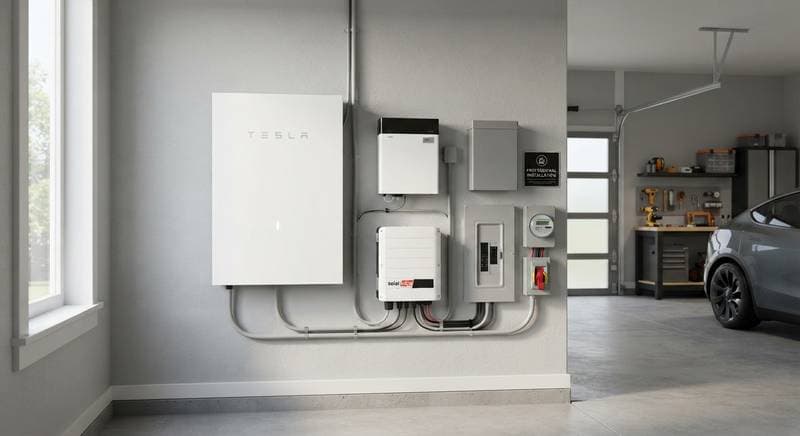
Tesla Powerwall offers a compact, integrated battery system that works with or without solar panels. The Powerwall 3 includes built-in solar inverter capability, which simplifies new solar-plus-storage installations. Tesla's mobile app provides real-time monitoring of stored energy and household consumption patterns.
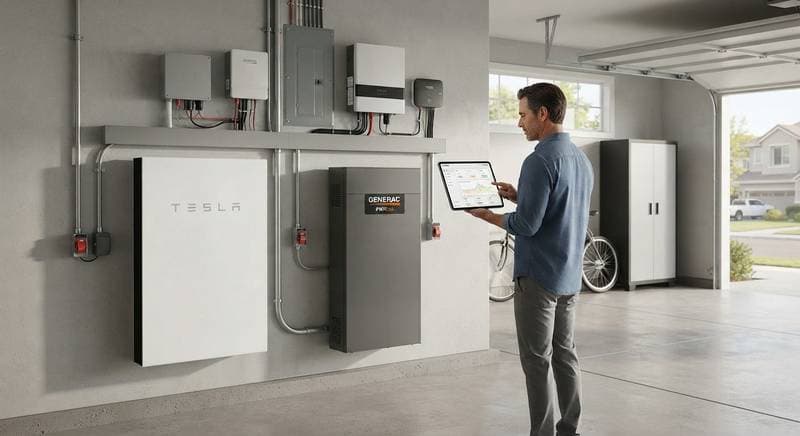
Generac PWRcell features a modular design that allows installers to adjust storage capacity based on specific home requirements. This flexibility benefits homeowners who want to begin with a smaller system and expand later, provided the equipment remains compatible. Generac also manufactures a wider range of home standby products, which appeals to homeowners comparing battery storage against traditional generators.
| Comparison | Tesla Powerwall | Generac PWRcell |
|---|---|---|
| Typical strength | Compact, integrated equipment | Modular capacity options |
| Solar setup | Powerwall 3 includes an inverter | Configuration depends on selected components |
| Cost factors | Battery count, panel work, backup circuits | Battery modules, cabinet, inverter, panel work |
| Best fit | Owners seeking a streamlined system | Owners prioritizing adjustable storage |
Published specifications do not guarantee specific outage runtime. Actual performance depends on usable capacity, initial battery charge, weather conditions, and the specific loads operating in your home.
Estimate the Capacity You Need
Begin by identifying which circuits must remain operational during an outage. Essential circuits typically include the refrigerator, selected lighting, internet equipment, and a sump pump. Heating and cooling systems, electric cooking appliances, water heating, and vehicle charging consume significantly more stored energy.
Request that your installer model both essential-load backup and whole-home backup scenarios. Whole-home service may require multiple batteries, a larger inverter, load management equipment, or electrical panel upgrades. An essential-load design costs less while keeping critical circuits running without powering every appliance.
Homes with well pumps, medical equipment, or frequent long outages require different planning than households seeking brief backup for lights and refrigeration. Ask your contractor to calculate runtime estimates using your actual appliances and expected usage patterns rather than generic claims.
Installation Steps and Project Difficulty
Battery installation constitutes a professional electrical project. Homeowners can research equipment options and prepare appliance lists, but should never attempt to wire or connect battery systems independently. Installation difficulty ranks high, and the process often requires one or more days after permits and equipment arrive.
A typical installation process includes these steps:
- Review electricity bills, outage history, and priority appliances.
- Obtain site assessments from at least two qualified battery installers.
- Compare system capacity, backed-up circuits, warranties, and itemized pricing.
- Confirm permit requirements, utility approvals, and inspection responsibilities.
- Schedule installation, inspection, and system commissioning.
Costs increase when electrical panels require replacement, wiring runs extend long distances, batteries need difficult mounting locations, or local regulations mandate additional equipment. Verify whether proposals include backup switching, monitoring setup, inspection fees, and post-installation support.
When to Choose a Battery or Generator
Battery systems excel when quiet operation, automatic switchover, and solar energy storage matter most. These systems can also reduce grid electricity consumption when paired with solar panels, depending on utility rates and system settings.
Seek professional assessment if you require whole-home coverage, have older wiring, or depend on medical equipment. Compare total ownership costs, including battery replacement expectations, generator maintenance requirements, fuel expenses, and potential energy savings.
Maintaining Your Backup Investment
Keep the battery area accessible for service visits and review monitoring alerts regularly. Test the backup system according to manufacturer recommendations and ask your installer to explain preparation procedures for severe weather events. Understand how solar charging functions during extended outages to maximize system reliability.
Making Your Final Decision
Compare multiple installer proposals side by side, focusing on backed-up circuits, warranty terms, and total project costs rather than advertised battery prices alone. Factor in your specific outage patterns, essential appliance requirements, and long-term energy goals when selecting between Tesla Powerwall and Generac PWRcell systems.