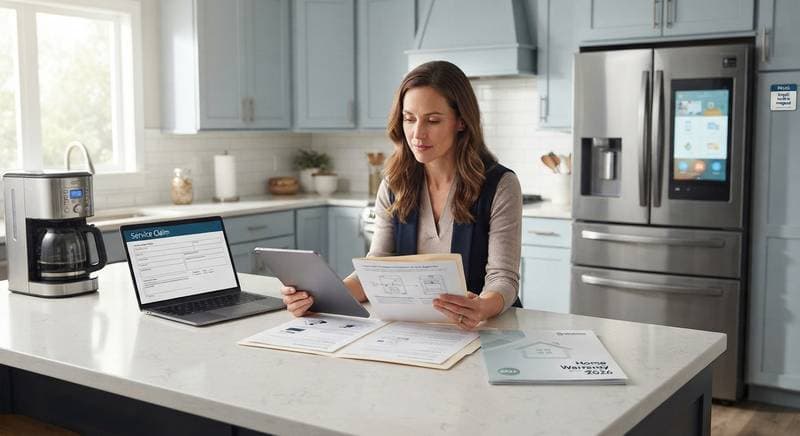
Home Warranty Coverage for Smart Devices and Recalls
Smart appliances connect to Wi-Fi, communicate with apps, and receive software updates. That convenience can make a repair less straightforward when a refrigerator stops responding, a connected oven displays an error, or a manufacturer announces a safety recall. Home warranty coverage may help pay for certain appliance repairs, but it does not automatically cover every smart feature or recall related expense.
The details depend on the contract, the appliance, and the cause of the problem. A clear understanding of exclusions, service limits, and manufacturer responsibilities can help homeowners choose suitable coverage and avoid unexpected bills. The key is to ask how a plan treats mechanical failures, electronic controls, software, connected accessories, and recalled parts before signing up.
What a Home Warranty Usually Covers
A home warranty is a service contract that can help cover repair or replacement costs for specified systems and appliances after a covered failure. It is separate from homeowners insurance, which generally addresses damage from events such as fire, theft, or certain storms. A warranty is also different from a manufacturer warranty, which may cover defects in a new product for a limited period.
A home warranty plan may include major appliances such as a refrigerator, range, dishwasher, clothes washer, and dryer. Some contracts cover built in appliances only, while others include freestanding models. Coverage often applies to parts and labor when a listed item stops functioning because of normal use, subject to the agreement exclusions and limits.
Smart appliances can have several different components:
- Mechanical parts, such as motors, valves, pumps, and compressors.
- Electrical parts, such as wiring, switches, and circuit boards.
- Connected features, such as Wi-Fi modules, touchscreens, sensors, and app controls.
- Software services, such as cloud accounts, firmware, voice assistant connections, and mobile applications.
A contract might cover a motor while excluding a network module or software issue. Some plans include electronic components, while others limit or exclude them. The product being called smart does not tell you which parts are covered. Read the contract definition of covered components and check any appliance specific exclusions.
How Smart Device Failures Are Assessed
A service technician usually needs to identify why an appliance stopped working. If a dishwasher will not drain, the cause might be a failed pump, a blocked filter, a wiring issue, or a control board problem. A disconnected app may point to a router setting, a service outage, a changed password, or a defective Wi-Fi module. Each cause can receive a different coverage decision.
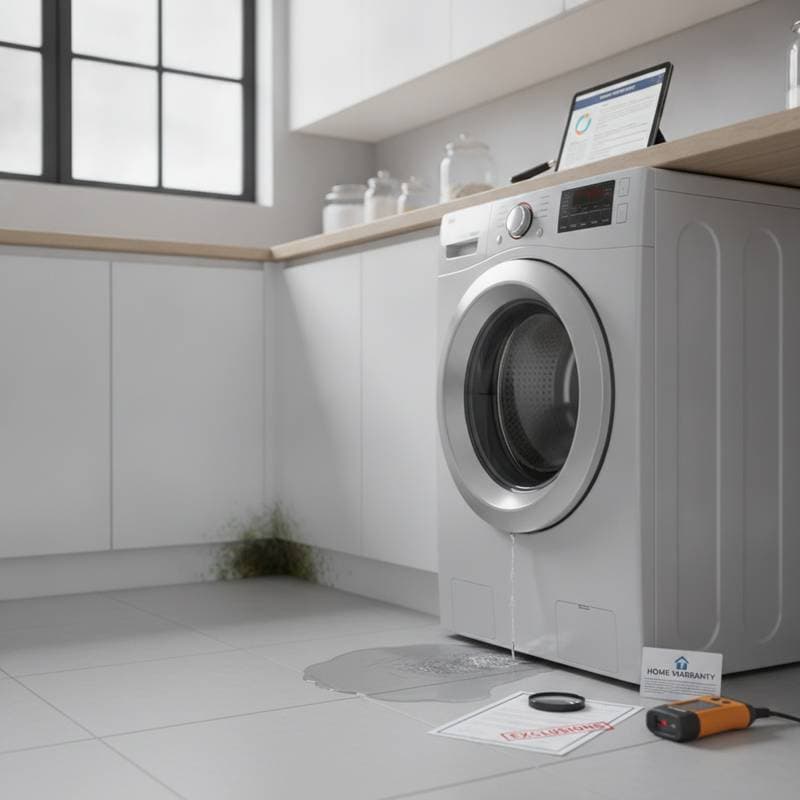
Home warranty contracts commonly focus on failures caused by normal wear and use. They may exclude problems caused by poor installation, lack of maintenance, misuse, cosmetic damage, or preexisting conditions. Some contracts also exclude software, data, internet access, smart home hubs, and third party services. A service provider may cover the appliance physical operation but not restore app access or reconnect it to a home network.
Before requesting service, note the exact symptom and when it began. Record any error code, warning message, or unusual sound. Try only the basic troubleshooting steps recommended in the appliance manual. Avoid resetting, opening, or repairing equipment if doing so could erase diagnostic information, create a safety risk, or conflict with the warranty terms.
A useful question for a provider is: If the appliance works manually but not through its app, which parts and labor would the plan cover? Ask for the answer in writing. A general statement that smart appliances are covered may not clarify whether the contract includes the actual component causing the failure.
What a Recall Means for Warranty Coverage
A recall is a safety or quality action initiated by a manufacturer or government agency. It may involve a repair, replacement part, refund, or other remedy for a product with a potential defect. Recall remedies are handled through the recall program, not automatically through a home warranty.
If an appliance is recalled, contact the manufacturer or the agency listed in the recall notice. Follow the instructions for checking the model and serial number, stopping use if directed, and arranging the approved remedy. Keep the notice, registration details, and service records. Do not assume a home warranty provider can authorize or pay for recall work.
A home warranty may exclude defects covered by a manufacturer warranty, product recall, or another available remedy. If a recalled part fails, the provider may direct you to the manufacturer. If a different component fails, the contract may still apply, depending on its terms and the technician diagnosis. Ask the warranty company how it handles a claim when the appliance is subject to an open recall.
The recall process may not cover every cost a homeowner faces. The manufacturer might provide a replacement part but not pay for unrelated repairs, food loss, temporary equipment, or damage caused by the defect. A home warranty may exclude those expenses too. Read both documents, the recall remedy and the service contract, before deciding what action to take.
Questions to Ask Before Buying a Plan
Compare contracts by covered components and service rules, not by the number of appliances named in a marketing summary. Request the sample agreement and search for terms related to electronic controls, circuit boards, smart devices, software, network connectivity, recalls, and manufacturer warranties.
Ask the provider these questions:
- Are control boards, sensors, touchscreens, and Wi-Fi modules covered?
- Does coverage depend on whether a feature is necessary for the appliance to operate?
- Are app access, firmware, cloud services, or voice assistant connections excluded?
- What happens if a manufacturer recall affects the same appliance?
- Does the plan cover a replacement part if the original model is no longer available?
- What are the service fee, per item limit, and annual coverage cap?
- Can the provider choose repair over replacement, and who selects the replacement model?
- Are there waiting periods, claim limits, or restrictions for existing problems?
Look for answers in contract language rather than relying only on a sales conversation. If a representative gives a useful explanation, ask where the relevant provision appears in the agreement. A written answer makes it easier to compare plans and resolve disagreements later.
Estimate the Costs and Tradeoffs
Home warranty pricing varies by provider, location, plan design, and optional add ons. Common costs include the annual or monthly contract price and a service call fee for each claim. Some contracts also set a maximum amount they will pay for a covered item. Homeowners pay costs above that limit, along with excluded repairs.
Compare the plan likely value with the cost of maintaining an emergency repair fund. A warranty may suit a homeowner who prefers predictable service fees, has several older appliances, or wants help finding a contractor. It may be less attractive if the contract excludes the expensive electronics in a smart appliance, imposes low payout limits, or requires the homeowner to use a particular service network.
Use a simple comparison for each appliance:
- Estimate the cost of a common repair using local service quotes.
- Check whether the contract covers the component likely to fail.
- Add the service fee and any amount above the coverage cap.
- Compare that total with the plan price and your expected repair costs.
- Confirm whether a recall or manufacturer warranty already offers a remedy.
A low monthly price is not necessarily a low cost claim. A plan with a narrow electronics definition could leave a homeowner paying for the control board, diagnostic visit, or replacement appliance. Compare the complete agreement, including exclusions and service limits.
Filing a Claim for a Connected Appliance
When a covered appliance fails, contact the warranty provider through the approved claim channel. Describe the symptoms accurately. Do not tell the provider that a part has failed unless a qualified technician has confirmed the diagnosis. Keep a copy of the claim number, service appointment details, and any written coverage decision.
Prepare for the visit by gathering the model and serial number, purchase records if available, maintenance notes, error codes, and relevant recall notices. Make sure the appliance is accessible. If the issue involves a connected feature, note whether the appliance still works using its physical controls. This distinction can help the technician separate an appliance failure from a home network or app problem.
Do not hire your own technician before getting authorization unless the contract permits it. Many plans require the provider to assign a contractor or approve outside work. Unapproved repairs may not be reimbursed. If the appliance creates a safety hazard, stop using it and follow the manufacturer instructions. Safety should not wait for a claim decision.
If a claim is denied, request the reason in writing and ask which contract provision applies. Review the technician diagnosis and compare it with the agreement. You can ask the provider to reconsider if you have new information, such as a service report showing a covered mechanical failure. Keep the discussion factual and retain all records.
Protecting Smart Appliances and Claim Records
Good maintenance may prevent avoidable failures and support a clearer service history. Follow the manufacturer instructions for cleaning filters, checking hoses, clearing vents, and using the correct detergents or settings. Keep appliances dry and properly ventilated. Do not install a smart appliance where its electrical or plumbing requirements cannot be met.
Use strong, unique passwords for appliance accounts and home Wi-Fi. Install firmware updates through the manufacturer official app or website, and review update notes when available. Updates can fix security or performance issues, but a software change may also affect settings or device compatibility. Save relevant support messages if an update appears to cause a malfunction.
Keep a home appliance file with:
- Purchase receipts and manufacturer warranty documents.
- Model and serial numbers, plus photos of identification labels.
- Home warranty agreements, renewals, and claim records.
- Maintenance receipts, service reports, and recall notices.
- Notes on account changes, error codes, and troubleshooting steps.
Registration can help a manufacturer contact you about a recall, though homeowners should still check official recall information if a safety notice appears. Store documents somewhere you can access even if an appliance or phone is unavailable.
Making the Right Coverage Decision
Review each plan against your specific appliances and usage patterns. Focus on the contract language that defines covered components rather than marketing summaries. Test the provider responsiveness by asking detailed questions about smart features and recall handling before you commit. Document your research and keep all agreements accessible for future reference.