
Why Home Warranty Claims Get Denied
A denied home warranty claim can leave you facing an unexpected repair bill, even when you believed the appliance or system was covered. Most denials stem from contract exclusions, maintenance concerns, or disputes about the cause of a breakdown. Understanding these reasons can help you check coverage before requesting service and prepare a stronger appeal if a claim is rejected.
Common Reasons a Home Warranty Claim Is Denied
A home warranty covers only the items and conditions described in its service contract. The details matter. Two plans can treat the same repair differently.
The problem is excluded
Contracts often exclude preexisting problems, cosmetic damage, improper installation, code upgrades, and failures caused by misuse or lack of maintenance. A plan may cover a plumbing stoppage but exclude damage caused by tree roots or a collapsed pipe. Read the exclusions and coverage limits for the specific item, not just the plan summary.
The item was not covered
A denied home warranty claim may involve an appliance or system that was never included in the plan. Some coverage requires an added option for items such as a second refrigerator, well pump, or pool equipment. Check the contract covered item list and confirm that the specific component is included.
Maintenance or installation is in question
A provider may deny a claim if inspection suggests that poor upkeep, an existing defect, or incorrect installation caused the failure. Keep service records, receipts, and installation documents. Clear records can help establish that the item was maintained and that the reported issue is a covered mechanical failure.
The claim exceeded a contract limit
Plans can set maximum payment amounts per item, repair, or contract period. If a repair costs more than the limit, you may need to pay the difference. A claim can also be declined if the contract requires approval before work begins and a contractor completes repairs first.
How to Respond to a Denial
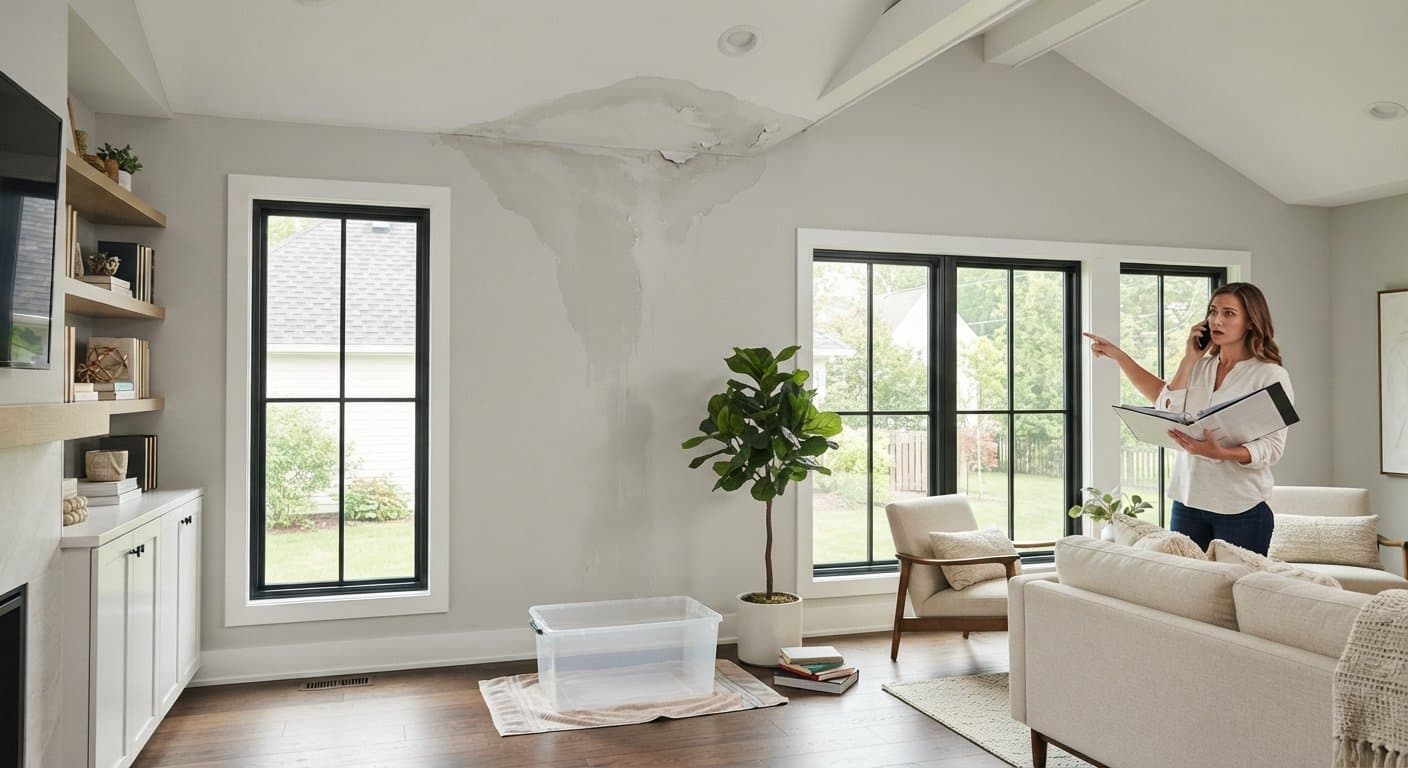
Start by asking the warranty company for the denial in writing. Request the contract provision and inspection findings used to make the decision. Compare those details with your plan, and keep a record of calls, emails, invoices, and technician notes.
If you believe the decision is incorrect, submit a clear appeal. Identify the claim and the denied repair. Explain which coverage language supports your position. Attach relevant maintenance records, photos, and technician findings. Ask for a review and a written response.
Stay factual and specific. If the denial cites a preexisting condition, ask what evidence supports that conclusion. If the disagreement concerns the cause of failure, a second professional opinion may help, though check whether your contract permits or reimburses another inspection.
When to Ask for Professional Help
A warranty technician can diagnose the problem, but you can ask questions before authorizing work. Request a written diagnosis that separates the failed part from any unrelated damage. Do not allow repairs to begin until the warranty provider confirms approval and explains any out of pocket charges.
Seek independent advice if a denial involves a costly repair, unclear contract wording, or a dispute about workmanship. Depending on your location, consumer protection agencies may offer guidance. Keep communications polite, organized, and in writing where possible.
Your Home Warranty Questions, Answered
Can a company deny a claim for lack of maintenance?
Yes. If the contract excludes failures caused by inadequate maintenance, the provider may deny a claim based on inspection findings. Ask for the specific evidence and provide service records if you have them.
Does a home warranty cover preexisting problems?
Many plans exclude known or preexisting defects, though contract language differs. Review the terms and ask the provider how it determines whether a problem existed before coverage began.
Can I appeal a denied claim?
Usually, you can request a review through the company appeal process. Send the contract language and supporting documents, and keep copies of everything you submit.
Should I repair the item before getting approval?
No. Performing repairs before receiving approval typically voids coverage for that claim. Wait for written authorization that specifies what the warranty will cover and what costs remain your responsibility.
Reduce the Risk of a Denied Claim
Review your contract before any issue arises. Note the covered items, dollar limits, and maintenance requirements. Schedule routine service for major systems and keep all receipts. When a problem occurs, document the symptoms and timeline before contacting the warranty provider. These steps help establish that the failure meets coverage criteria and reduce the chance of denial based on missing records or unclear circumstances.