
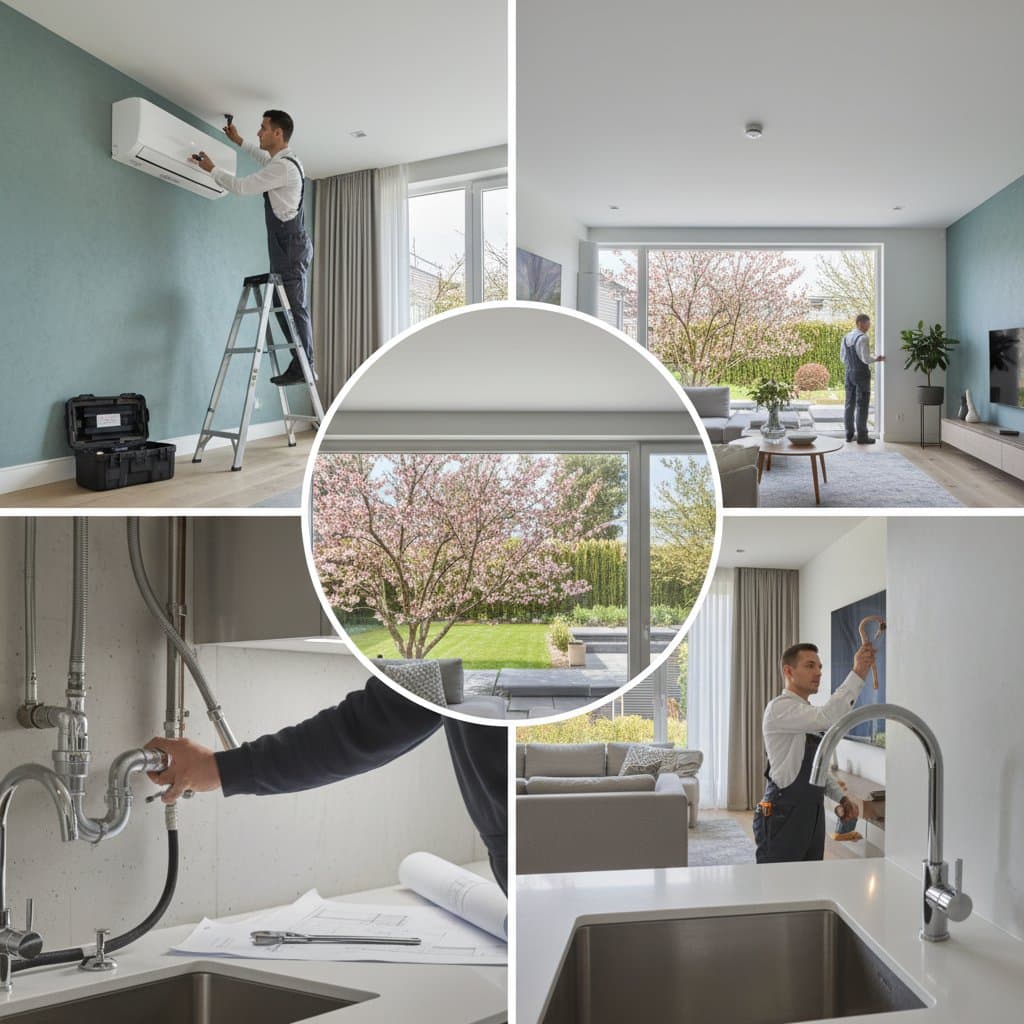
Essential Spring Maintenance to Avoid Expensive Home Repairs
Spring brings renewal and fresh opportunities to address home maintenance needs. Harsh winter conditions often conceal problems that escalate into significant expenses if overlooked. Homeowners who commit to systematic spring inspections safeguard structural elements, prolong equipment durability, and enhance energy efficiency. The following sections detail key tasks that mitigate risks and yield substantial savings over time.
Assessing Foundation and Drainage Systems
Excess water poses the primary threat to foundations. Spring showers expose vulnerabilities around the property perimeter. Standing water near the base can infiltrate minor fissures, resulting in damp basements or gradual settling.
Key preventive measures include:
- Survey the home's exterior following substantial rainfall to identify pooling areas.
- Reshape soil grading to direct water away from the foundation at a slope of at least one inch per foot.
- Evaluate or add French drains and verify sump pump functionality.
- Apply concrete sealant to any noticeable cracks.
A standard foundation assessment ranges from $300 to $600. Extensive repairs, however, may surpass $10,000. Structural engineer Sarah Lindon, experienced with homes in various states, notes that consistent spring evaluations reduce long-term foundation repair expenses by more than half.
Evaluating Plumbing and Water Infrastructure
Winter freezes strain pipes and fixtures. Spring inspections detect leaks and inefficiencies before they worsen. Even minor drips squander water resources and foster mold growth or wood rot.
Comprehensive plumbing checklist:
- Examine beneath sinks and around toilets for signs of dampness.
- Inspect exterior faucets for fractures or drips caused by expansion during freezes.
- Drain the water heater to clear accumulated sediment and improve performance.
- Test sump pumps by adding water to the basin and confirming automatic operation.
Routine plumber evaluations cost $100 to $250 for checks and basic fixes. A ruptured pipe replacement might total thousands, varying by accessibility. Proactive monitoring preserves water efficiency and averts concealed damage requiring major renovations.
Inspecting Roof and Gutters
Roofs endure heavy snow loads and ice dams over winter. Spring assessments reveal shingle wear, loose flashing, or clogged gutters that lead to leaks and water damage. Addressing these early prevents interior harm and structural compromise.
Roof and gutter maintenance steps:
- Climb a ladder or hire a professional to scan for missing shingles, cracks, or soft spots.
- Clear gutters of leaves, twigs, and debris to ensure proper flow.
- Check downspouts for blockages and secure them to direct water away from the foundation.
- Seal gaps around vents, chimneys, and skylights with appropriate caulk.
Professional roof and gutter cleaning services average $250. Neglected issues can escalate to $5,000 or more in repairs. Annual spring cleanings maintain waterproofing and extend roof lifespan by years.
Reviewing Exterior Siding and Walls
Siding shields the home from environmental elements and insects. Seasonal weathering erodes protective layers, while debris accumulation promotes fungal growth. Prompt identification of issues curtails the need for wholesale replacements.
Exterior care procedures:
- Clean siding with a mild detergent and low-pressure rinse to remove grime.
- Scan for dents, gaps, or deformations in panels.
- Apply fresh paint or sealant to wooden elements for barrier renewal.
- Clear overhanging plants that contact walls to reduce moisture retention.
Power washing typically costs $250 to $500 based on property dimensions. Localized siding fixes range from $300 to $800, whereas complete overhauls exceed $15,000. Spring routines sustain aesthetic value and defensive capabilities.
Managing Outdoor Areas and Irrigation Networks
Landscapes influence foundation stability and resource consumption. Faulty sprinklers or poor grading introduce surplus moisture or elevate bills unnecessarily.
Outdoor preparation activities:
- Examine irrigation heads for obstructions or seepage.
- Calibrate controllers to match spring precipitation patterns.
- Remove litter from gutters and driveway drains to facilitate runoff.
- Prune branches and foliage back from eaves and siding.
Irrigation system reviews by experts cost $75 to $150. Correcting leaks or components runs $250 to $600. Vigilant oversight minimizes waste and shields against erosion-related threats.
Servicing HVAC and Electrical Components
Heating and electrical setups accumulate dust and wear through winter use. Spring servicing uncovers inefficiencies or hazards that compromise safety and performance.
Appliance and system checks:
- Vacuum condenser coils on refrigerators and air conditioners for optimal cooling.
- Clean dryer exhaust ducts to eliminate fire risks from lint.
- Verify ground fault interrupters in wet areas by pressing test buttons.
- Update outdated surge protectors to guard sensitive electronics.
- Schedule HVAC tune-ups to replace filters and inspect refrigerant levels.
Individual appliance tune-ups cost $100 to $250. Comprehensive electrical surveys average $300 to $500. HVAC servicing at $200 prevents breakdowns costing over $7,000. These measures lower utility demands and enhance reliability.
Summary of Seasonal Expenses and Benefits
Spring upkeep expenses differ by location and scale, yet data from service providers confirm prevention outperforms remediation.
| Task | Average Maintenance Cost | Potential Repair Cost if Ignored |
|---|---|---|
| Roof & Gutter Cleaning | $250 | $5,000+ |
| HVAC Service | $200 | $7,000+ |
| Plumbing Check | $150 | $3,000+ |
| Deck Sealing | $800 | $3,500+ |
| Foundation Inspection | $400 | $10,000+ |
Build a Secure Home Through Proactive Care
Homeowners benefit from compiling a tailored maintenance schedule to tackle one zone per weekend. For intricate setups, engage licensed specialists who offer guarantees and clear estimates.
This disciplined approach safeguards investments, trims future outlays, and fosters a resilient living space. Regular attention to these priorities averts disruptions and maximizes every home system's potential.




