Avoid AC Breakdowns: Summer Tune-Up Essentials
A well-timed air conditioner tune-up makes the difference between a calm, cool summer and an expensive mid-season breakdown. Heat and humidity force cooling systems to work harder than at any other time of year. Without proper care, small issues escalate into system failures that demand costly repairs or replacements. A structured tune-up prevents breakdowns and improves efficiency, which reduces energy bills.
This guide equips homeowners with the knowledge to prepare air conditioners for summer demands. Cleaning coils, checking refrigerant levels, assessing airflow, and calibrating thermostats represent key steps. Each action safeguards investments and ensures comfort.
The Homeowner’s Summer AC Tune-Up Checklist
A thorough tune-up includes inspection, cleaning, lubrication, and testing. Professionals recommend the steps outlined below. Homeowners can perform many tasks independently.
1. Clean or Replace Air Filters
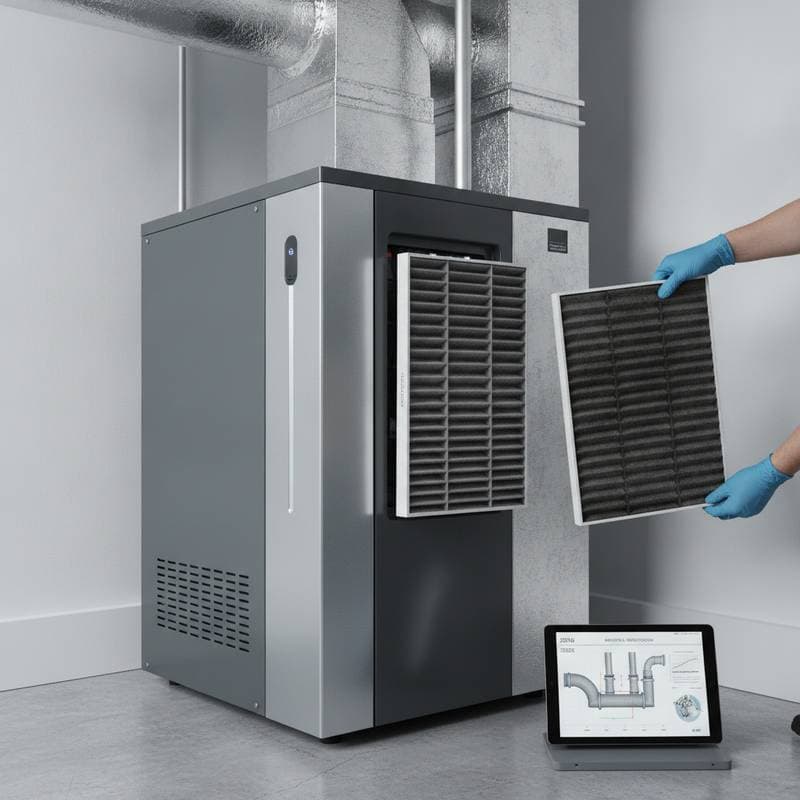
Dirty filters cause poor airflow and strain systems most frequently. Inspect filters monthly during summer. Replace disposable types or wash reusable ones with mild detergent and water. Clean filters enhance air quality and deliver consistent cooling.
Tip: Select filters with a MERV rating of 8 to 13. This range balances filtration and airflow. Higher ratings may restrict air in older systems.
2. Inspect the Condenser Unit
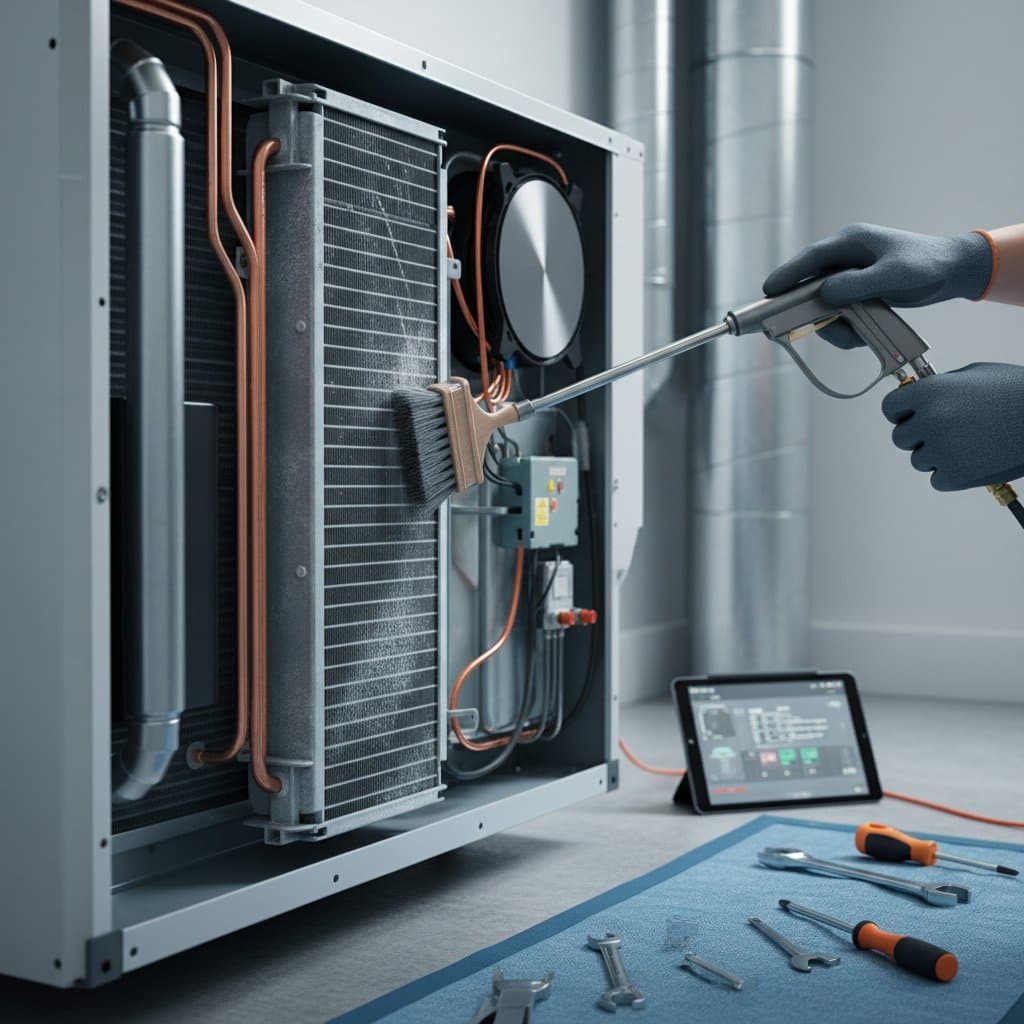
Outdoor condensers require unobstructed air circulation. Clear leaves, grass clippings, and debris from the unit’s surroundings. Trim vegetation to maintain at least two feet of clearance on all sides. Unplug the system, then clean coils gently with a soft brush or low-pressure garden hose.
High-pressure water bends fins easily. Use a fin comb to straighten bent fins and restore airflow.
3. Check the Evaporator Coil
Indoor evaporator coils accumulate dust and moisture, which foster ice buildup. Remove the front panel to access the coil compartment. Apply a no-rinse foaming coil cleaner and allow it to dry fully before reassembling. For heavily soiled coils, schedule a technician for professional deep cleaning.
4. Clear the Condensate Drain Line
Clogged condensate lines lead to water leaks and humidity problems. Attach a wet-dry vacuum to the drain line to extract blockages. Follow with a cup of distilled vinegar and warm water to inhibit algae growth. This maintenance preserves indoor humidity balance.
5. Examine the Refrigerant Lines
Sun exposure degrades insulation on refrigerant lines. Replace damaged sections with new foam sleeves to sustain energy efficiency. Oily residue or hissing near connections signals potential leaks. Certified technicians alone handle refrigerant testing and recharging.
6. Test the Thermostat
Verify thermostat accuracy by comparing its reading to a trusted thermometer. Older models benefit from upgrades to programmable or smart versions. Smart thermostats lower cooling costs through automatic adjustments during absences.
7. Inspect Electrical Connections
Loose wires or corroded terminals provoke intermittent operation or total failure. Switch off power at the breaker before inspection. Tighten screws on contactors and relays as needed. Burnt marks or frayed insulation require immediate attention from an electrician or HVAC specialist.
8. Lubricate Moving Parts
Lubrication minimizes friction and wear on fans and motors. Sealed bearings appear in many modern systems, but older units feature oil ports. Apply a few drops of non-detergent motor oil to each port. Over-oiling attracts dust and promotes buildup.
9. Measure Airflow and Duct Condition
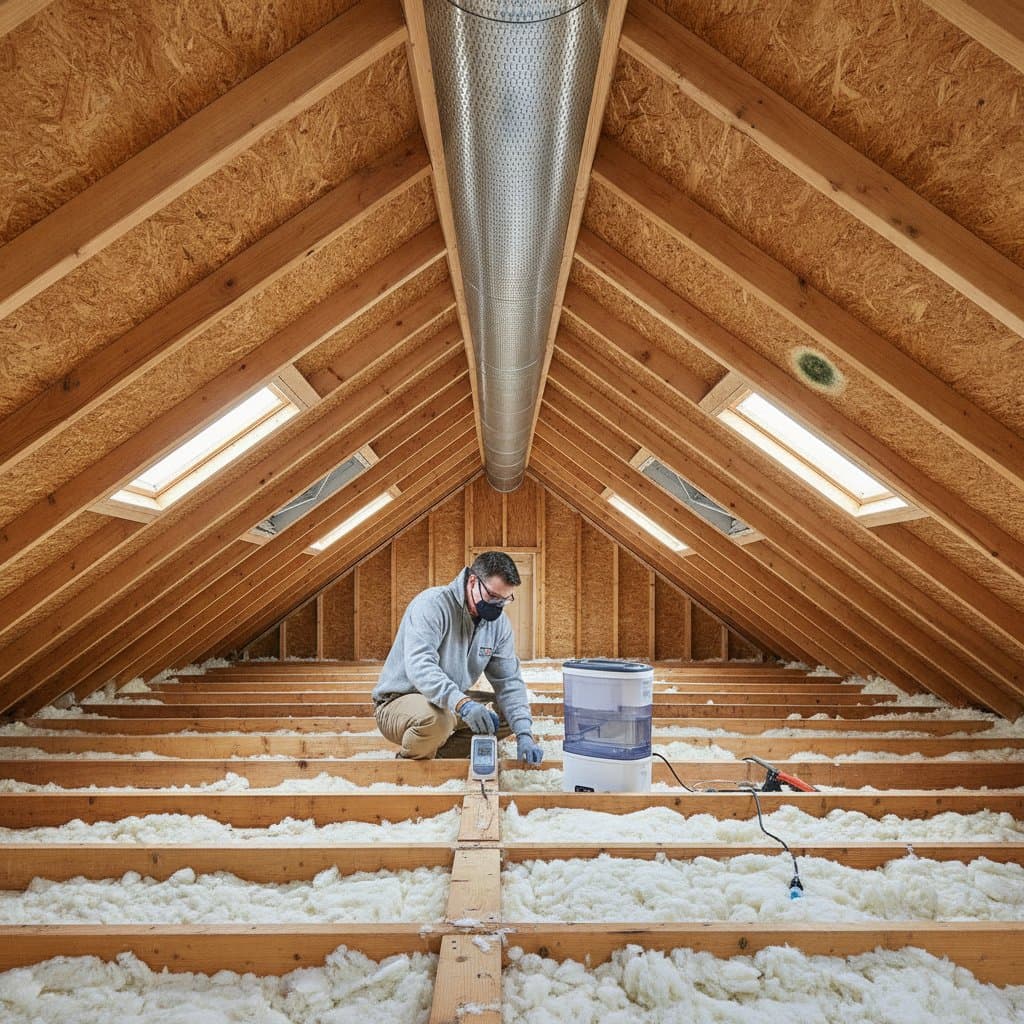
Duct leaks or blockages produce uneven cooling. Examine visible ducts for gaps or separations. Seal minor leaks using mastic sealant or aluminum foil tape. Technicians conduct pressure tests on concealed ducts. Sealed ducts boost efficiency by up to 20 percent.
10. Check System Startup and Cycling
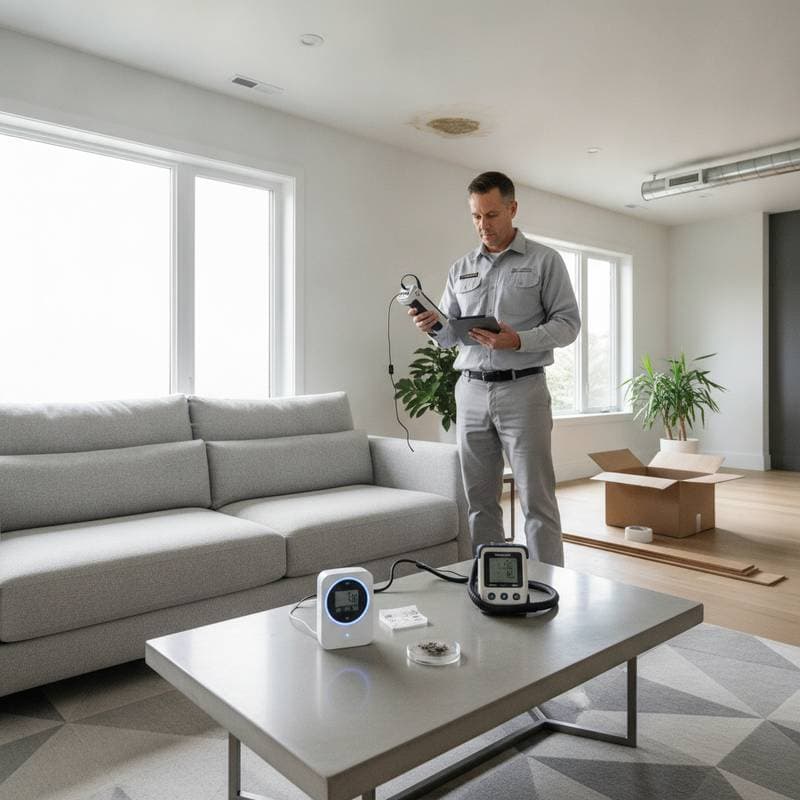
Restart the system after all cleaning and inspections. Listen for rattles or buzzes, which indicate loose components. Monitor cycling for smooth on-off transitions. Short cycling points to refrigerant problems or sensor faults. Prolonged operation without temperature attainment reveals inefficiency or airflow restrictions.
Energy Efficiency and Cost Savings
Clean, tuned systems operate with reduced effort. Lower energy use follows, along with extended equipment life. The U.S. Department of Energy reports that heating and cooling consume nearly half of household energy.
Upgrades such as programmable thermostats, duct sealing, and coil maintenance yield annual savings in the hundreds of dollars. Biannual professional servicing amplifies these gains for optimal performance and comfort.
Systems over ten years old warrant replacement discussions during tune-ups. Newer models incorporate variable-speed technology for adaptive cooling. Quieter operation and precise control result, with energy savings recouping costs in a few seasons.
Troubleshooting Common Issues
Well-maintained systems occasionally encounter problems. Early recognition averts major failures.
- Weak airflow: Inspect filters, ducts, and blower fans. Dirty filters or closed vents commonly cause this.
- Warm air: Confirm thermostat settings and scan refrigerant lines for leaks.
- Water near the unit: Unclog the condensate drain and examine coils for ice.
- Unusual noises: Rattling suggests loose panels; squealing indicates worn belts or bearings.
- Frequent cycling: Ensure thermostat placement avoids windows or heat sources.
Persistent issues demand system shutdown and technician consultation. Continued operation of faulty units risks further damage.
Safety Considerations
Disconnect power at the breaker before any maintenance begins. Wear gloves and protective eyewear when working with coils or electrical parts. Select chemical cleaners that avoid strong fumes in confined areas. Licensed HVAC contractors provide guidance when uncertainty arises. Improper handling of electrical or refrigerant components poses hazards and may invalidate warranties.
Sustaining Performance Through Routine Care
Regular tune-ups prolong air conditioner life and stabilize energy expenses. They also safeguard indoor air quality by curbing mold and dust in ducts and coils. Maintain a log of activities like filter replacements and service calls. Such records reveal patterns and aid home sales.
Consistent care delivers rewards. Homeowners with clean, serviced systems face 30 percent fewer repairs than those who delay until breakdowns.
Perform maintenance personally or through professionals, but prioritize regularity. A comprehensive summer tune-up equips air conditioners to handle heat waves with efficiency.