Understanding Greywater Costs, Permits, and Savings Strategies
Homeowners in various regions increasingly adopt greywater recycling to lower utility expenses and advance sustainable practices. Greywater consists of lightly contaminated water from sinks, showers, and laundry machines. Proper systems allow redirection of this water for irrigation or toilet flushing. Knowledge of costs, permit needs, and savings methods enables informed choices for this environmentally beneficial upgrade.
Functions of Greywater Systems and Their Importance
Greywater systems capture water that typically flows to sewers and redirect it for secondary uses. This approach decreases total household water consumption and alleviates pressure on municipal supplies. Households often reuse up to 50 percent of wastewater for non-drinking purposes such as outdoor watering or subsurface irrigation.
Two primary system types exist:
- Simple Diversion Systems – These channel water directly to landscapes without intermediate storage. Such setups suit immediate applications in gardens or lawns.
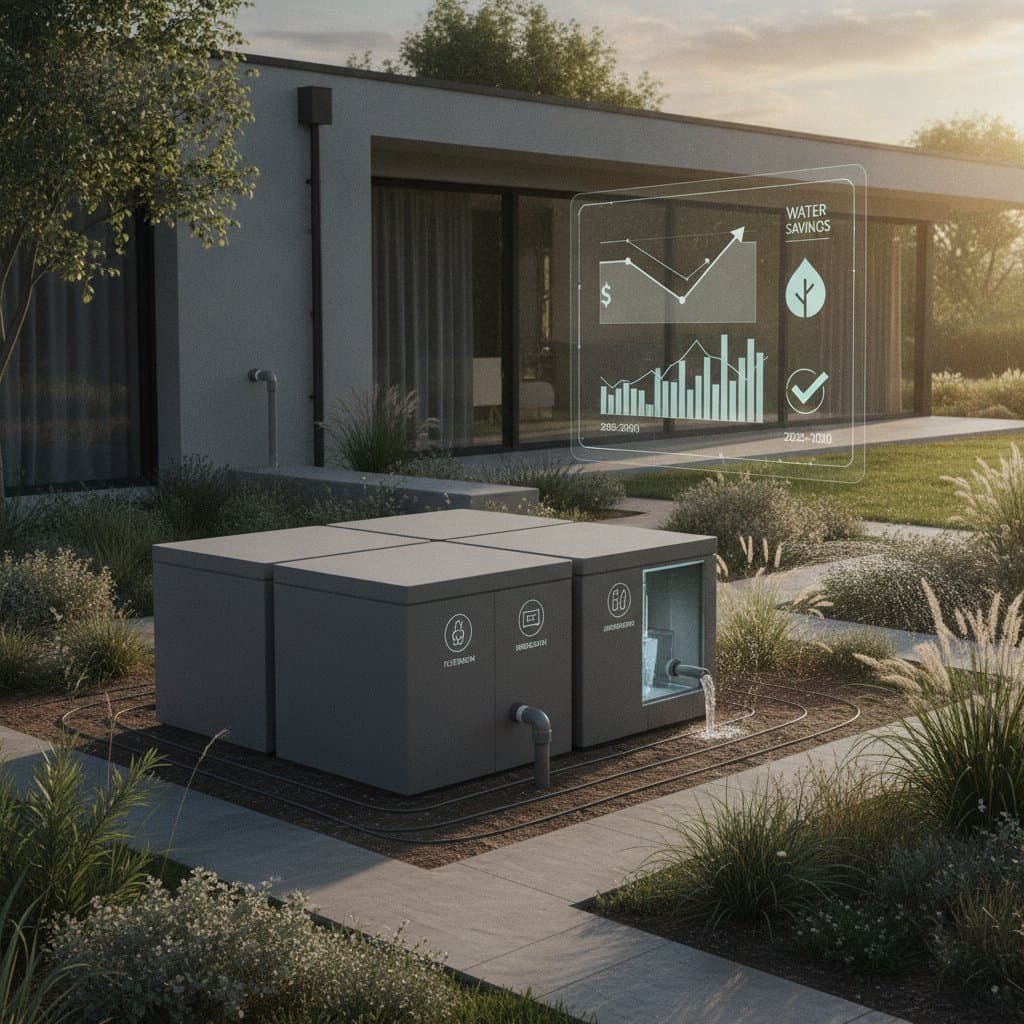
- Treatment and Storage Systems – These gather, purify, and hold greywater for future applications, including toilet replenishment or buried drip lines.
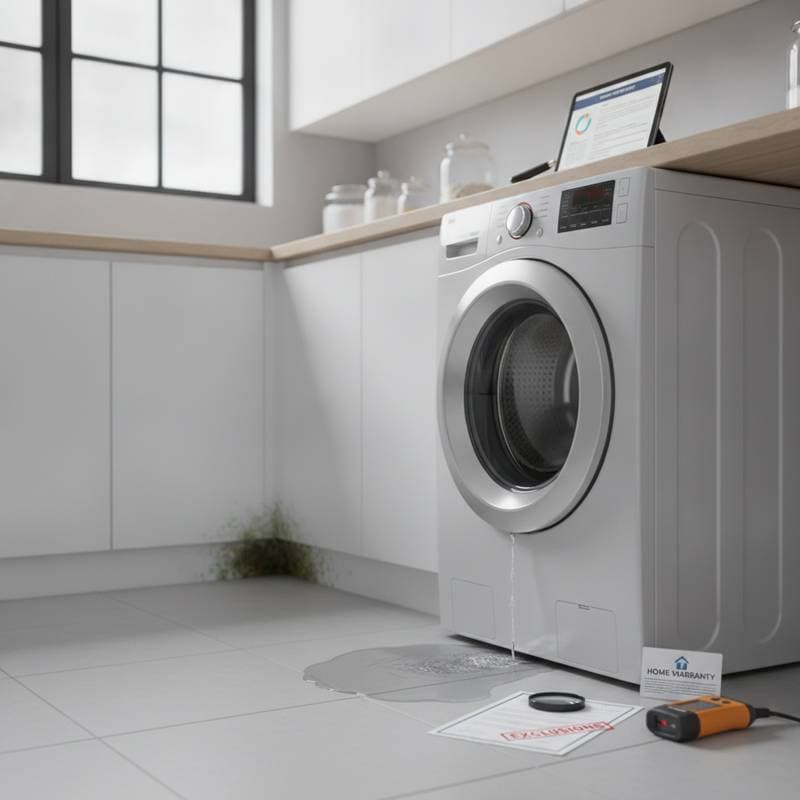
Selection hinges on regional rules, financial constraints, and consumption habits. Families with regular laundry cycles may favor diversion systems that send washing machine output to gardens. Larger households might select treatment systems to serve multiple outlets.
Greywater System Cost Breakdown
Expenses for greywater systems fluctuate according to home scale, system variety, and filtration or automation features. Typical ranges include:
- DIY Diversion Systems begin at several hundred dollars for those with plumbing expertise and equipment.
- Professional Installations featuring pumps, filters, and tanks span thousands of dollars based on intricacy.
- Advanced Treatment Systems adhering to strict purity levels command higher prices yet yield superior ongoing reductions.
Key cost drivers encompass labor, supplies, and permitting charges. Regional specialists price according to project demands and plumbing access. Retrofitting older residences may involve pipe relocation or fixture enhancements, elevating expenses over new constructions where integration occurs during building.
Navigating Permits and Regulations
Prior to any greywater installation, consult local construction codes and ecological guidelines. Numerous locales mandate permits for systems involving storage or subsurface delivery. These approvals confirm adherence to health, safety, and contamination prevention standards while safeguarding aquifers.
Permit processes generally involve:
- Design Evaluation to confirm alignment with plumbing and environmental norms.
- On-Site Inspection prior to operational startup.
- Material Verification for elements like backflow preventers and purification units.
Fees for permits vary from basic administrative amounts to elevated rates for sophisticated configurations. Certain areas waive requirements for basic laundry diversion setups using sanctioned techniques. Verify current stipulations through municipal water offices or construction departments.
Various cities provide incentives or reimbursements for conservation technologies. Such initiatives can counterbalance permitting and setup expenditures, broadening accessibility. Experienced local professionals assist with documentation and optimization of financial benefits.
Budgeting Effectively for Installation
Effective budgeting extends past initial outlays. Account for these elements in financial planning:
- Scale and Intricacy – Expansive residences or segmented watering zones demand additional conduits, purification, and regulators.
- Installation Labor – Expert work guarantees dependability, particularly for pressurized or buried configurations.
- Ongoing Upkeep – Components such as filters, pumps, and controls require routine servicing or renewal.
- Regulatory Fees – Jurisdictional variations apply, yet compliance remains non-negotiable.
- Projected Returns – Assess bill reductions to project recovery timelines.
Homeowners frequently recoup investments within several years, influenced by regional rates and habits. The primary gains include diminished municipal dependency and enhanced adaptability amid watering limits.
Weighing DIY Against Professional Installation
The choice between self-installation and expert involvement rests on plumbing proficiency and regulatory familiarity.
Advantages of DIY Approaches
- Reduced initial expenditures.
- Customization potential for modest configurations.
- Suitability for basic diversion setups.
Advantages of Professional Services
- Specialized planning for security and performance.
- Expertise in codes and approval procedures.
- Assurances and ongoing assistance for durability.
Most individuals overlook critical aspects like backflow safeguards and soil permeability. Professionals address these to avert malfunctions or hazards.
Effective Strategies for Cost Reduction
Minimize greywater expenses through deliberate preparation and innovation. Consider these approaches:
- Access Incentives – Municipalities frequently reimburse conservation installations; inquire with utility providers or conservation bodies.
- Integrate with Renovations – During plumbing overhauls or fixture swaps, incorporate greywater lines to avoid redundant labor.
- Initiate Modestly – Commence with one source, such as laundry diversion, and scale up subsequently.
- Employ Gravity Mechanisms – Gravity-dependent designs cut energy demands and servicing needs.
- Select Robust Components – Quality valves and filters minimize replacement frequency.
Homeowners pairing greywater with optimized watering can diminish exterior consumption by 40 percent. This yields notable yearly reductions, particularly under progressive pricing structures.
Upkeep and Sustained Management
Greywater installations demand regular oversight to sustain efficacy. Basic diversion types require little intervention, mainly seasonal verifications for obstructions or drips. Elaborate systems with reservoirs and purifiers necessitate programmed cleansing and component swaps.
Develop a upkeep schedule covering:
- Monthly filter assessments and timely replacements.
- Pre-season pipe rinses.
- Surveillance for soil overload or surface accumulation near outlets.
- Pump functionality and pressure evaluations.
Annual expert reviews maintain operational standards and regulatory alignment. Certain providers extend service plans encompassing checks and quality assessments.
Broader Environmental and Practical Advantages
Greywater adoption yields advantages surpassing financial relief. Water reuse lightens burdens on public facilities and sustains greenery amid arid conditions. Adopters typically gain heightened consciousness of consumption patterns and resource autonomy.
Community analyses reveal lowered regional demands in adopting areas, notably in peak seasons. These shifts bolster infrastructure stability and motivate collective conservation efforts.
Steps to Implement Your Greywater System
Greywater integration represents a dual fiscal and ecological commitment. Balance preliminary investments against enduring merits. Evaluate usage patterns, investigate permitting, and evaluate system variants. Obtain estimates from qualified specialists and explore incentive options.
Post-installation, monitor bills over months to quantify gains. Disseminate outcomes within local networks to foster broader uptake. Collective participation amplifies conservation impacts.
For those prepared to manage water resources, greywater systems deliver reliable avenues for expense reduction, vegetation vitality, and ecological stewardship. Thoughtful design, adherence to rules, and diligent care position residences as exemplars of resource efficiency.