Best Schedule and Types for Fall HVAC Filters
A crisp fall breeze invigorates the outdoors, yet indoors, seasonal shifts often increase dust, pollen, and pet dander. The HVAC filter serves as the primary barrier against these airborne particles. Homeowners frequently overlook fall as a critical period for filter replacement or upgrade, which can compromise system efficiency, air quality, and heating costs.
This guide details the optimal replacement schedule for fall, outlines available filter types, and assists in selecting the appropriate option for your household. Upon completion, you will understand precise timing for filter changes, suitable purchases, and strategies to ensure smooth HVAC operation throughout the season.
The Quick Answer: Ideal Fall HVAC Filter Schedule
For a straightforward guideline, replace or clean the HVAC filter every 60 to 90 days during fall. Households with pets, allergy sufferers, or smokers require a shorter interval of every 30 to 45 days. High-efficiency filters with thicker construction, such as 4-inch or 5-inch pleated models, may extend to 120 days if they appear clean upon inspection.
Consider this breakdown:
| Home Type or Condition | Filter Type | Recommended Change Interval |
|---|---|---|
| Standard household (no pets) | 1-inch pleated filter | 60 to 90 days |
| Home with pets | 1-inch pleated filter | 30 to 45 days |
| Allergy or asthma concerns | High MERV pleated filter (11-13) | 30 to 60 days |
| Larger system (4- to 5-inch filter) | Deep-pleated filter | 90 to 120 days |
| Vacation or part-time home | Standard pleated filter | 90 days or as needed |
Monthly inspections prove beneficial during fall, regardless of replacement frequency. Remove the filter and hold it toward a light source. Replace it if light fails to pass through.
Common HVAC Filter Types Explained
Filter selection influences performance as significantly as timely replacement. Different materials offer unique benefits aligned with specific household requirements.
1. Fiberglass Filters
Description: These disposable filters consist of spun fiberglass in a flat panel.
Thickness: Typically 1 inch.
Best for: Budget-limited homeowners or rental units.
Efficiency: MERV 2 to 4.
Cost range: 2 to 5 dollars each.
Fiberglass filters safeguard HVAC components yet provide minimal enhancement to indoor air quality. They suit infrequent system use or temporary applications.
2. Pleated Filters
Description: Constructed from folded polyester or cotton to maximize surface area.
Thickness: 1 to 5 inches.
Best for: Contemporary residences.
Efficiency: MERV 8 to 13.
Cost range: 10 to 40 dollars each, based on thickness.
Pleated filters represent the standard choice for most homes. They capture dust, pollen, and select bacteria while preserving airflow. Thicker 4-inch and 5-inch variants endure longer and excel in fall upkeep.
3. Electrostatic Filters
Description: These employ static electricity to draw particles; options include disposable and washable varieties.
Thickness: 1 to 2 inches.
Best for: Residences with pets or tobacco use indoors.
Efficiency: MERV 8 to 10.
Cost range: 15 to 30 dollars each.
Electrostatic filters effectively seize fine airborne contaminants. Washable models yield long-term savings, provided users dry them completely prior to reinstallation to avert mold development.
4. HEPA Filters
Description: High-Efficiency Particulate Air filters, common in medical and cleanroom environments.
Thickness: Often 4 inches or greater.
Best for: Households facing severe allergies or respiratory conditions.
Efficiency: MERV 17 and higher.
Cost range: 50 to 120 dollars each.
HEPA filters remove 99.97 percent of particles measuring 0.3 microns or larger. Standard HVAC setups rarely accommodate them without modifications, such as retrofit kits or supplementary air purifiers.
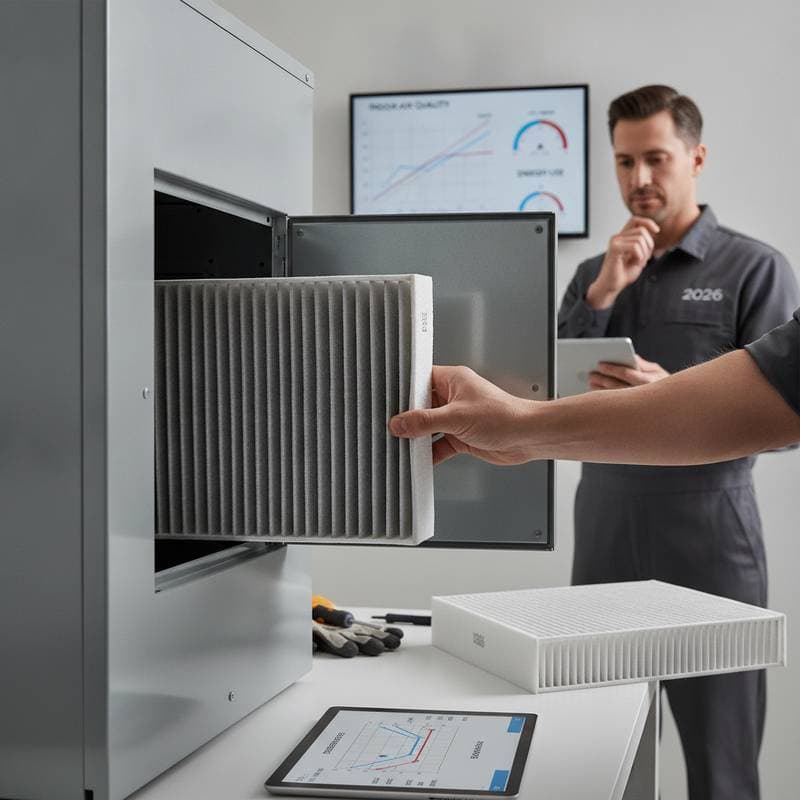
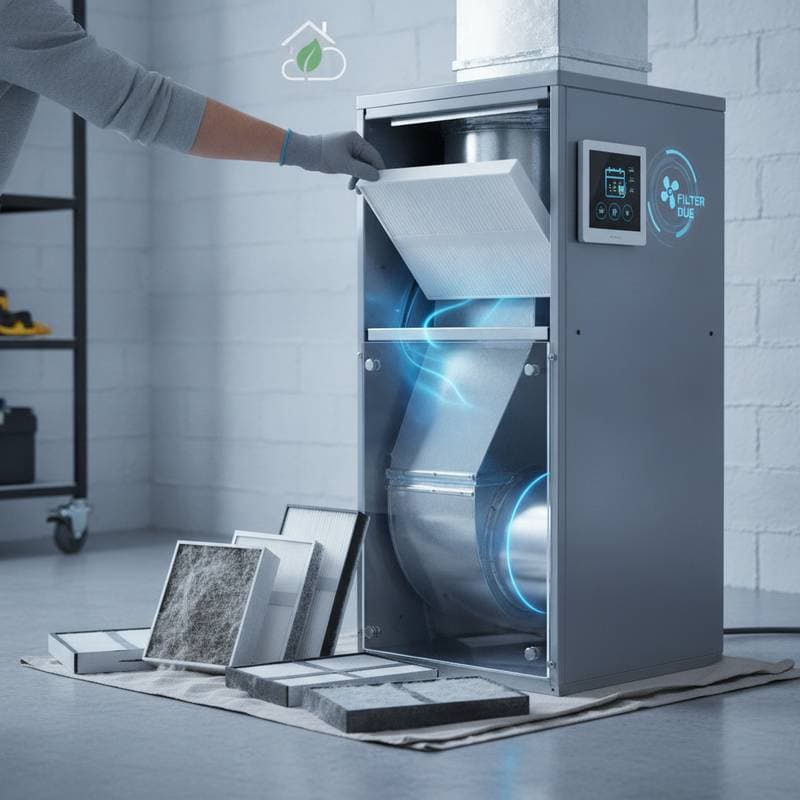
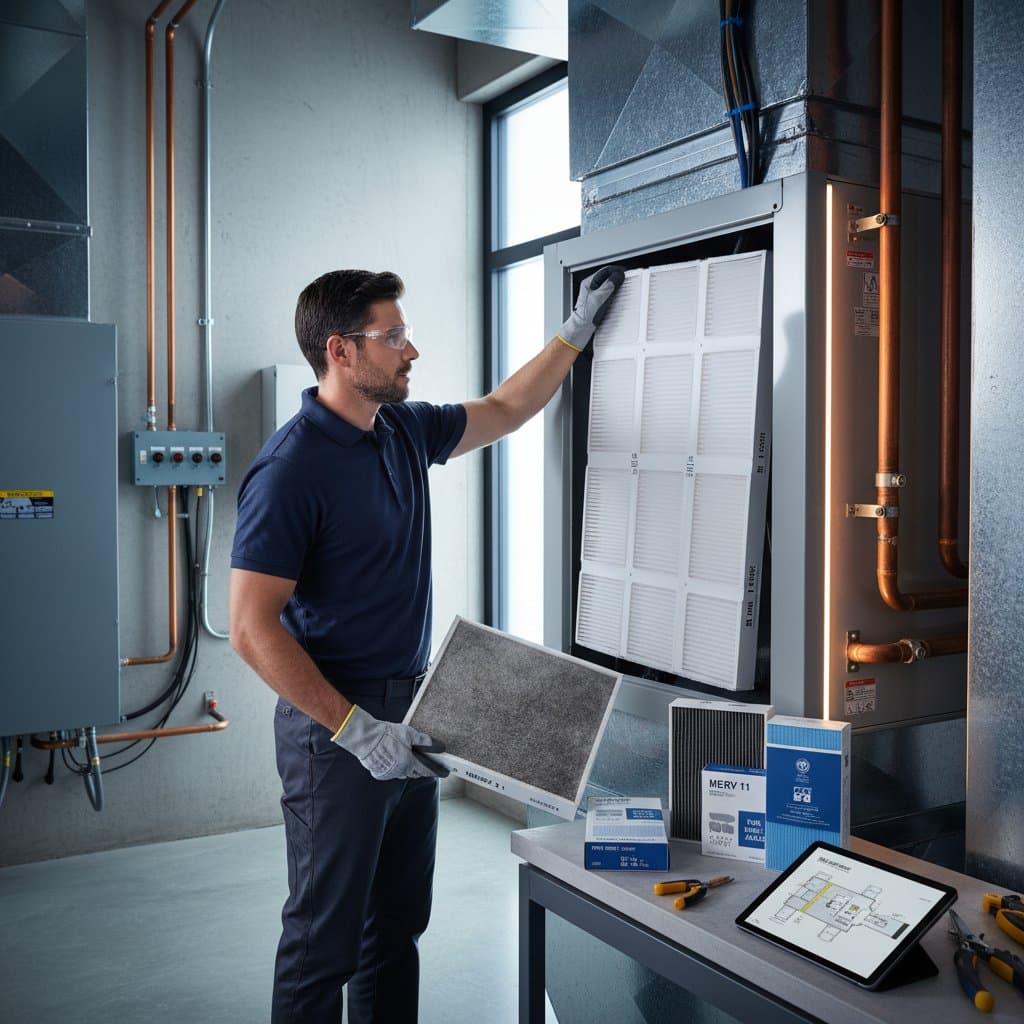
Step-by-Step: Replacing Your HVAC Filter in Fall
- Power down the system. Deactivate the thermostat to prevent debris intake during removal.
- Identify the filter location. Access occurs behind return vents or within the air handler near the blower.
- Verify airflow direction. The filter frame arrow must orient toward the blower motor.
- Extract the old filter. Slide it out gently to minimize dust disturbance.
- Clean the area. Wipe the housing or surrounding vents before new installation.
- Place the new filter. Ensure a secure fit with correct arrow alignment.
- Document the date. Mark the installation date on the filter frame with a permanent marker.
Set a phone reminder or utilize smart thermostat features to simplify subsequent maintenance.
Common Mistakes Homeowners Make
- Neglecting seasonal adjustments. Individuals often prioritize spring replacements while ignoring fall's comparable dust levels.
- Selecting inappropriate MERV ratings. Excessively high ratings restrict airflow; insufficient ones permit allergen passage.
- Reversing installation. Incorrect orientation diminishes efficiency and risks filter collapse from suction.
- Overlooking moisture indicators. Damp filters foster mold proliferation within ductwork.
- Misusing washable filters. Inadequate cleaning or drying reduces their efficacy over time.
Steering clear of these errors preserves HVAC integrity and elevates air quality during heating months.
Accessibility and Health Considerations
Filter upkeep poses challenges for those with mobility limitations or respiratory sensitivities. Implement these modifications for simplicity:
- Opt for extended-life filters. Substantial pleated models necessitate fewer annual replacements.
- Position filter cabinets at reachable heights. Certain systems permit housing relocation for convenience.
- Engage professional services. Seasonal replacement subscriptions from technicians remain cost-effective.
- Incorporate portable purifiers. These deliver additional filtration independent of HVAC alterations.
Beyond comfort, superior air quality mitigates headaches, sinus discomfort, and seasonal fatigue.
When to Call a Professional
Seek expert assistance upon observing irregular sounds, diminished airflow, or ongoing dust accumulation post-filter changes. A certified HVAC technician performs comprehensive inspections, cleans ductwork, and addresses underlying issues like coil blockages or motor strain. Professional intervention prevents costly repairs and extends system longevity.
Strategies for Year-Round HVAC Efficiency
Consistent filter maintenance forms the foundation of reliable heating performance. Pair regular changes with thermostat adjustments and annual tune-ups to maximize energy savings. These practices not only lower bills but also ensure a healthier indoor environment as temperatures drop.