Identify Septic Warning Signs to Prevent 2025 Disruptions
Septic systems operate invisibly to manage household wastewater effectively. Issues develop gradually, escalating to severe failures if ignored. Homeowners who recognize early indicators can intervene promptly, minimizing expenses and disruptions while preserving system longevity.
How Septic Systems Function
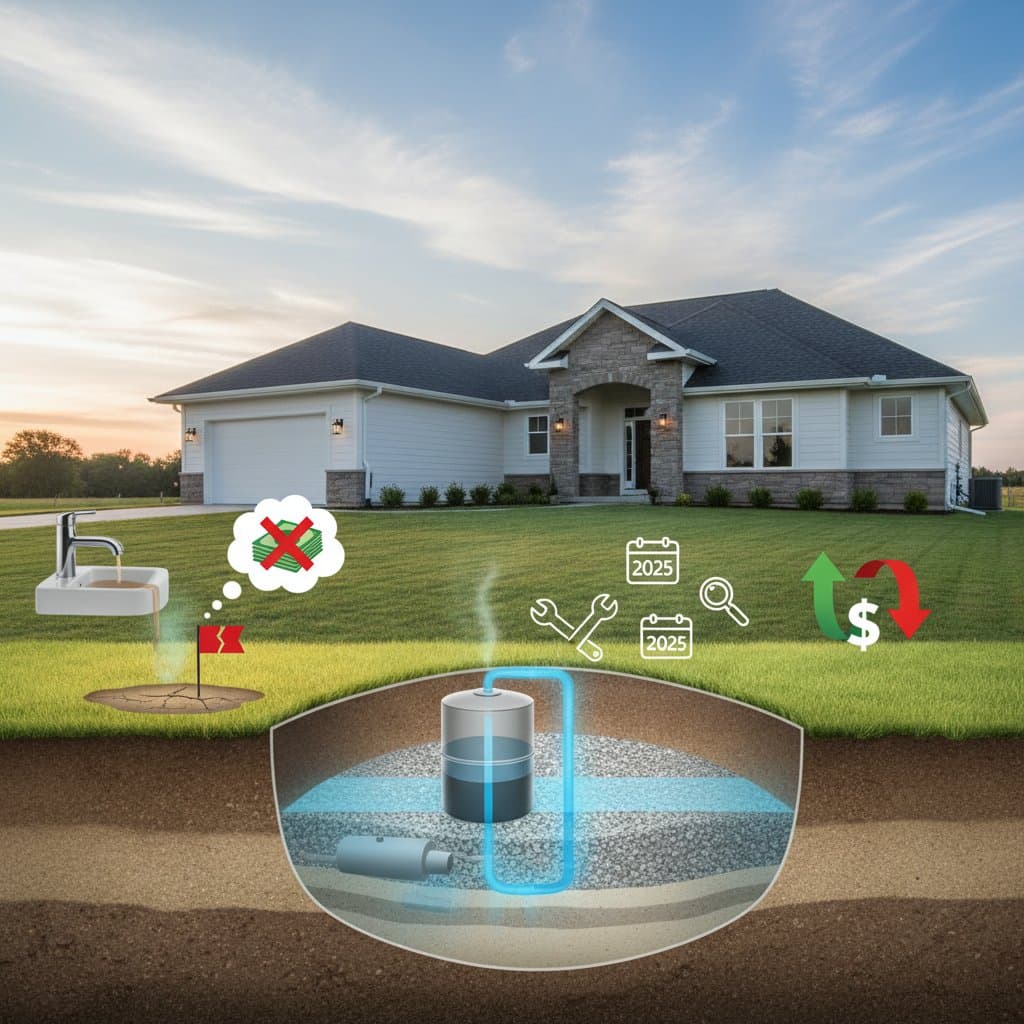
Standard septic setups consist of a buried tank, connecting pipes, and a drain field. Household wastewater enters the tank, where heavy solids settle as sludge and lighter fats form scum. Beneficial bacteria decompose organic matter, allowing clearer liquid to percolate through the drain field for soil-based purification.
Any disruption in this equilibrium, such as bacterial imbalance or restricted flow, triggers backups, smells, and potential groundwater pollution. Regular evaluations and sludge removal prove essential. Tanks typically require pumping every three to five years, adjusted for family size, daily water consumption, and tank volume; oversight permits accumulation that accelerates wear and demands major fixes.
Key Indicators of Septic Issues
Observe subtle shifts in home performance to catch problems early. Consider these primary signals:
-
Uniformly Slow Drainage
Multiple fixtures, including sinks, showers, and toilets, drain sluggishly. This pattern points to tank overload or outlet obstruction rather than isolated plumbing faults, as wastewater accumulates and resists outflow. -
Piping Noises
Gurgling emerges from drains or toilets, signaling air trapped by impeded wastewater passage. Full tanks or saturated fields often cause this auditory alert. -
Foul Smells
Sewage scents waft from indoor fixtures or outdoor areas near the system. Such odors arise from gas leaks, pipe fissures, or tank overflows, demanding swift attention. -
Unusually Lush Vegetation
Greener patches appear above the drain field due to nutrient-rich effluent seepage. Prolonged exposure risks surface ponding and soil contamination. -
Yard Pooling
Water accumulates persistently around the tank or field, indicating poor absorption. Compacted soil or blockages in the field hinder filtration, exacerbating the issue. -
Wastewater Intrusion
Sewage surfaces in fixtures, marking critical failure. Immediate expert intervention becomes necessary to mitigate health hazards and structural damage.
Financial Implications and Upkeep Strategies
Early detection curbs repair bills significantly. Basic inspections cost $100 to $300, while pumping fees span $300 to $600 based on tank dimensions and site access. System replacement, however, exceeds $10,000 in many cases.
Incorporate these services into annual budgeting for sustainability. Effluent filters, installed at the outlet, capture debris and prolong drain field viability. Local regulations often mandate inspection documentation during real estate transactions, underscoring the value of diligent care.
Safe Homeowner Assessments
Certified experts handle repairs, yet basic monitoring empowers residents:
- Track drainage speed during routine activities like bathing or dishwashing; abrupt delays suggest internal buildup.
- Survey the tank and field zones post-rainfall for spongy ground or lingering moisture, which may denote seepage.
- Note unusual sounds from fixtures, as these precede visible backups by days or weeks.
- Conserve water by repairing drips and adopting efficient appliances; surplus volume erodes the field's capacity.
- Select biodegradable cleaners to preserve tank bacteria; harsh substances impair decomposition.
These practices complement, rather than substitute, expert oversight and enable timely alerts.
Engaging Professional Services
Persistent symptoms like sluggish flow, smells, or moisture warrant instant scheduling. Inspectors deploy tools such as cameras to measure sludge depth, examine pipe integrity, and test field functionality.
Comprehensive assessments cover baffles, filters, and tank integrity for defects. Technicians may conduct percolation tests to gauge soil absorption rates. Opt for pumping or remediation over delay, as crisis responses inflate costs without resolving root causes.
Primary Failure Triggers
Knowledge of common pitfalls aids prevention:
- Infrequent Pumping: Solids overflow, clogging outlets and overwhelming fields.
- Improper Flushing: Non-degradable materials like wipes or sanitary items obstruct lines.
- Heavy Food Waste: Garbage disposals introduce solids that resist breakdown.
- High Water Volumes: Simultaneous usage from laundry and bathing overwhelms capacity.
- Surface Encroachment: Vehicles or structures compact the field, impeding percolation.
Adopting mindful habits averts these risks and extends operational life.
Inspection Preparation Steps
Prior to service, uncover tank lids and trim obstructing plants for efficient access. This preparation streamlines the process and trims fees.
Request a detailed report on findings, including sludge percentages and action items. Reference this document to calendar future appointments and refine upkeep routines.
Long-Term Protection Measures
Post-resolution, commit to periodic evaluations, moderated water habits, and field-friendly landscaping. Opt for sod or low-root plants over deep-rooted varieties that invade lines.
Install level alarms to notify of rising fluids, facilitating preemptive service. These devices provide an additional safeguard against undetected escalation.
Safeguarding Property and Well-Being
Reliable septic management upholds real estate worth, family health, and ecological balance. Weekly vigilance for these indicators requires minimal effort yet yields substantial returns in cost avoidance and peace of mind. Integrate expert and personal efforts to sustain performance across decades.