Strategic Investments for Lasting Value
Bathroom renovations offer opportunities to enhance daily comfort while increasing a home's market appeal. In 2025, homeowners face rising material costs and shifting buyer preferences toward functional luxury. Focus on upgrades that deliver tangible benefits, such as improved energy efficiency and durability, to achieve the best return on investment.
Selective splurges transform ordinary spaces into retreats that potential buyers notice. These investments prioritize elements that withstand heavy use and align with modern standards for sustainability and accessibility. By targeting high-impact features, you elevate the overall property value without unnecessary expenses.
Areas to Save Rather Than Splurge
Certain bathroom enhancements promise showroom glamour but deliver minimal long-term benefits. Evaluate each option against your usage patterns and resale goals to allocate funds wisely.
- Designer tile accents: A focal wall or border with premium tiles adds visual interest at a fraction of the cost of full coverage. Extensive tiling often overwhelms the space and fails to impress appraisers, who value practicality over excess.
- High-tech mirrors: Features like integrated speakers or defogging systems entertain briefly but require maintenance and may become outdated quickly. Opt for a simple, well-lit mirror with adjustable height to serve broader needs.
- Custom tubs: Elaborate freestanding models suit occasional relaxation, yet standard built-in tubs provide equivalent functionality for less. Reserve custom designs for primary bathrooms where frequent use justifies the expense.
Direct your resources toward upgrades that enhance usability, such as underfloor heating or optimized storage solutions. These choices create a sense of luxury through comfort rather than aesthetics alone.
Pitfalls That Drive Up Renovation Expenses
Homeowners often encounter unexpected hurdles during bathroom projects, leading to budget overruns. Recognizing these issues early allows for smoother execution and preserved savings.
- Overlooking the initial layout: Relocating sinks, toilets, or showers involves rerouting pipes, which can cost $5,000 or more in labor and materials. Measure existing setups and consult floor plans to minimize changes while improving flow.
- Neglecting proper ventilation: Inadequate exhaust systems trap moisture, fostering mold growth and structural damage over time. Select a fan with a capacity of at least 1 cubic foot per minute per square foot of floor space, and position it to vent directly outside.
- Selecting products prematurely: Market prices for fixtures and tiles vary seasonally, and supply chain delays can halt progress. Research multiple suppliers, secure quotes, and verify stock availability before committing to purchases.
- Ignoring preparatory assessments: Hidden problems like subfloor leveling or electrical panel upgrades emerge during work, adding 10 to 15 percent to total costs. Conduct a pre-demolition inspection with a contractor to identify and address these proactively.
Addressing these concerns upfront streamlines the process and ensures the final result meets building codes and personal expectations.
Upgrade Costs and Returns at a Glance
Understanding expense ranges and potential recoupment helps prioritize projects. The table below outlines popular options, including installation estimates for a standard 50-square-foot bathroom.
| Upgrade Type | Average Cost Range | ROI Estimate | DIY Feasibility |
|---|---|---|---|
| Heated Floors | $10 - $25 per sq. ft. | 60% | Moderate |
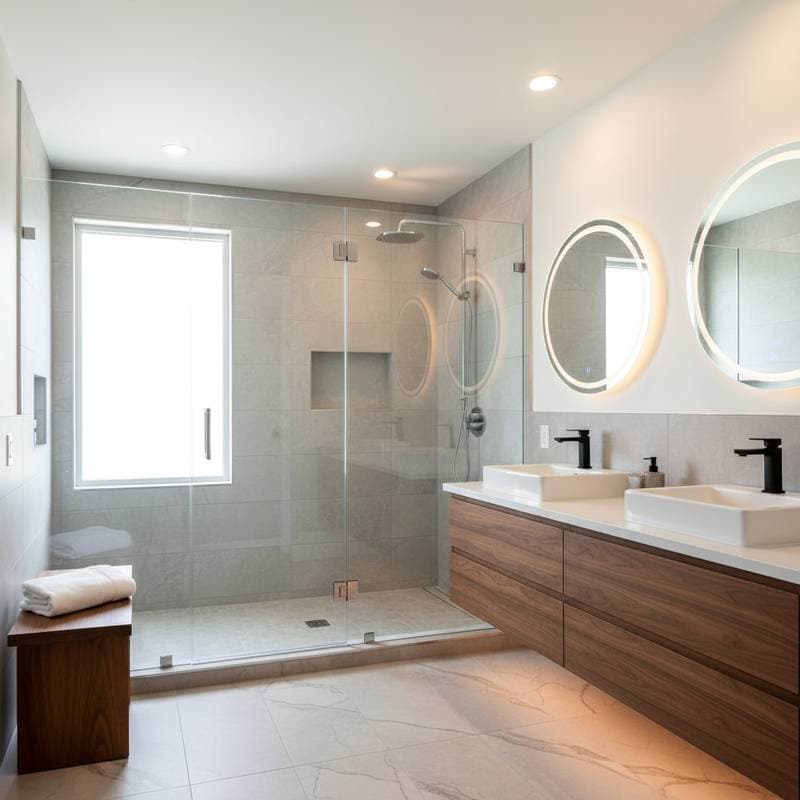
| Frameless Shower | $1,200 - $2,800 | 70% | Low |
| Custom Vanity | $1,000 - $3,500 | 65% | Moderate |
| LED Lighting Upgrade | $500 - $1,500 | 75% | Moderate |
| WaterSense Fixtures | $250 - $700 each | 80% | High |
Return on investment figures reflect national averages from recent real estate data, assuming professional installation. Factors like location and market conditions influence actual outcomes.
Engaging Experts for Complex Tasks
While some aspects of a bathroom refresh suit skilled DIY enthusiasts, others demand professional intervention to ensure safety and compliance. Licensed specialists handle intricate elements that protect your investment.
- Shower enclosures: Installing frameless glass requires precise measurements and sealing to prevent leaks, reducing water damage risks.
- Electrical modifications: Adding circuits for heated elements or recessed lights involves grounding and overload protection, adhering to local codes.
- Moisture barriers: Applying membranes under tiles and around fixtures demands expertise to avoid future repairs from humidity exposure.
Verify contractor credentials through state licensing boards and request references from similar projects. A reliable team coordinates timelines, minimizing disruptions to your household.
Steps to Execute Your Renovation Plan
With decisions made, develop a comprehensive roadmap to guide the transformation. This approach prevents oversights and maintains momentum throughout the build.
Begin by compiling a master list of selections, including dimensions, colors, and specifications for all components. Source materials from reputable vendors, placing orders two to four weeks in advance to account for backlogs.
Coordinate subcontractor schedules logically: start with demolition to expose underlying structures, followed by plumbing and electrical rough-ins. Inspect each phase before proceeding to tiling, cabinetry, and final finishes. Track progress with photos and notes to resolve issues promptly.
Realizing Comfort and Market Advantages
A well-planned bathroom upgrade blends indulgence with intelligence, creating a space that serves you now and attracts buyers later. Features like warm floors underfoot and seamless shower entries make mornings more enjoyable and evenings more relaxing.
Durable, efficient choices not only lower utility bills but also signal quality to appraisers and real estate agents. This strategic approach yields a renovated haven that enhances your lifestyle and strengthens your home's position in competitive markets.