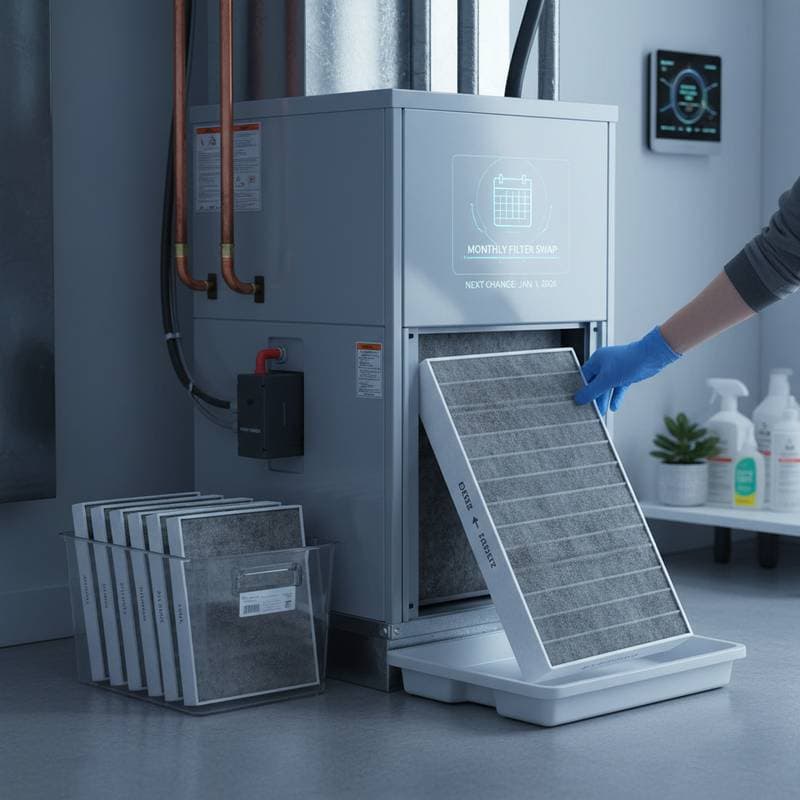
Understanding the 2026 HVAC Regulations: Monthly Filter Replacements Explained
Homeowners will experience a significant change in heating and cooling system maintenance starting in 2026. Updated regulations emphasize indoor air quality and operational efficiency, with monthly filter replacements as the central requirement. This adjustment influences routines for both individuals and professionals. Grasping the rationale behind these rules and implementing effective strategies safeguards equipment, reduces energy expenses, and enhances household air purity.
Prioritizing Indoor Air Quality
Regulators, construction professionals, and health specialists increasingly highlight indoor air quality. Studies indicate that indoor environments often harbor up to five times more pollutants than outdoor spaces. Dust, pollen, smoke, and fine particles from household products or construction elements accumulate in ducts and circulate via HVAC systems. Filters serve as the primary barrier, capturing these contaminants to prevent widespread distribution.
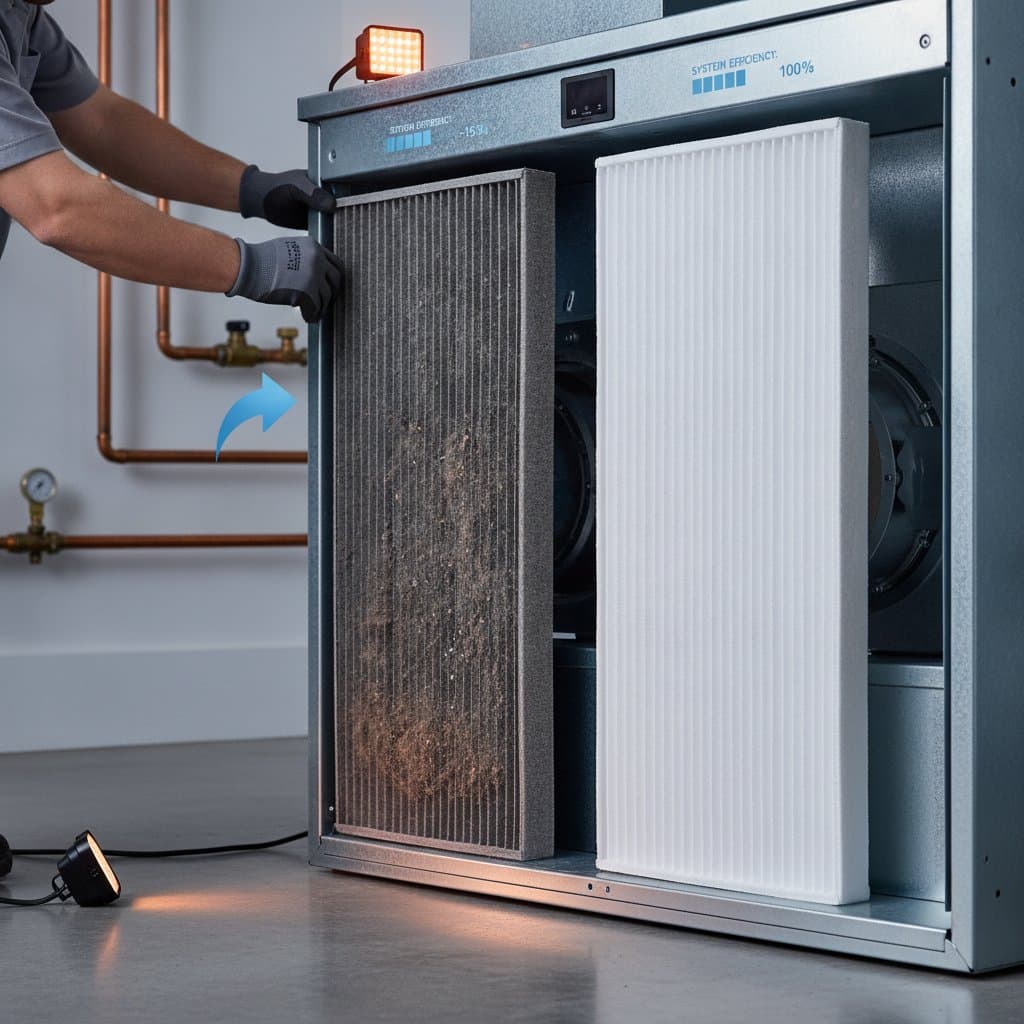
A soiled filter diminishes its capture capacity, compelling the system to strain. This scenario diminishes airflow, elevates energy consumption, and accelerates wear on components such as blower motors and evaporator coils. Monthly replacements maintain optimal airflow and filtration effectiveness, mitigating these risks.
HVAC professionals observe that filters accumulate debris rapidly, even in well-kept residences. Visible residue appears within weeks, particularly during intense seasonal operation.
Details of the Regulatory Requirements
These standards enforce regular filter maintenance rather than merely recommending it. Systems with disposable filters demand replacement every month or earlier if airflow falls below specified levels. Reusable or washable filters require thorough cleaning and reinstallation on the same timeline.
The provisions extend to residential and light commercial installations, encompassing central air conditioners, heat pumps, and forced-air furnaces. The goal establishes uniform benchmarks for air quality, efficiency, and environmental responsibility by alleviating strain on overtaxed equipment.
Manufacturers anticipate incorporating explicit performance ratings and maintenance indicators on filter packaging. Such details enable precise timing for replacements, eliminating uncertainty and oversight.
Financial Implications for Homeowners
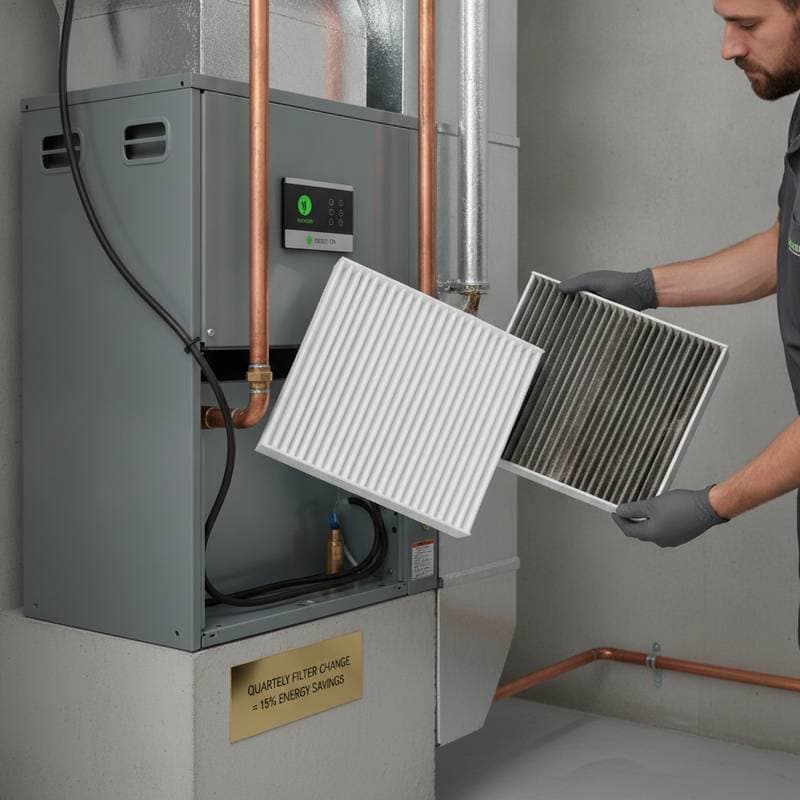
Cost represents a frequent apprehension regarding monthly replacements. Standard disposable filters range from 10 to 25 dollars, varying by efficiency rating and manufacturer. Although monthly purchases accumulate, they yield energy savings of up to 15 percent through improved system performance.
Filter neglect frequently precipitates expensive repairs. Blower motor replacements surpass several hundred dollars, while compressor issues escalate into thousands. Routine changes provide an economical safeguard against such expenditures. Analyses of homeowner upkeep demonstrate that consistent filter maintenance extends system longevity by over a decade.
Selecting Appropriate Filters
Filter selection proves as crucial as frequent replacement. The prevalent evaluation metric is MERV, denoting Minimum Efficiency Reporting Value. Elevated ratings trap finer particles, yet they may impede airflow in incompatible systems.
- MERV 1–4: Offers fundamental defense against coarse dust. Ideal for aging systems or homes with minimal activity.
- MERV 5–8: Traps finer elements like mold and pet allergens. Appropriate for typical household setups.
- MERV 9–12: Suited for allergy-prone households or those with pets. Delivers robust filtration with minimal airflow hindrance.
- MERV 13+: Achieves medical-level purification, eliminating bacteria and smoke. Potent, but demands system compatibility to avoid overload.
Consult the equipment manual or engage a certified technician prior to upgrades. Mid-range options, such as MERV 8 to 10, suit most applications when replaced monthly.
DIY Replacement Versus Professional Assistance
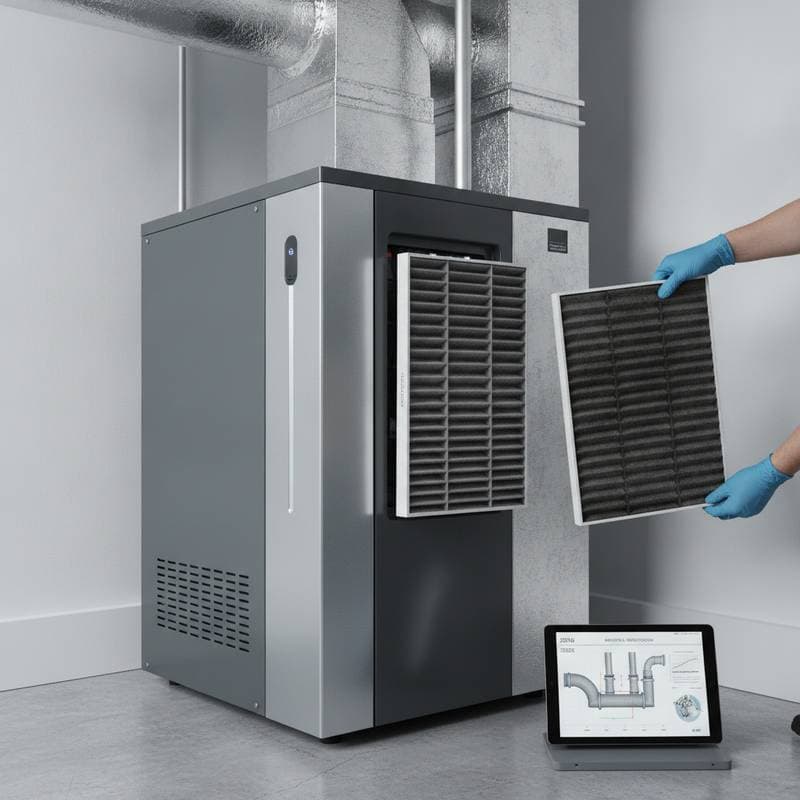
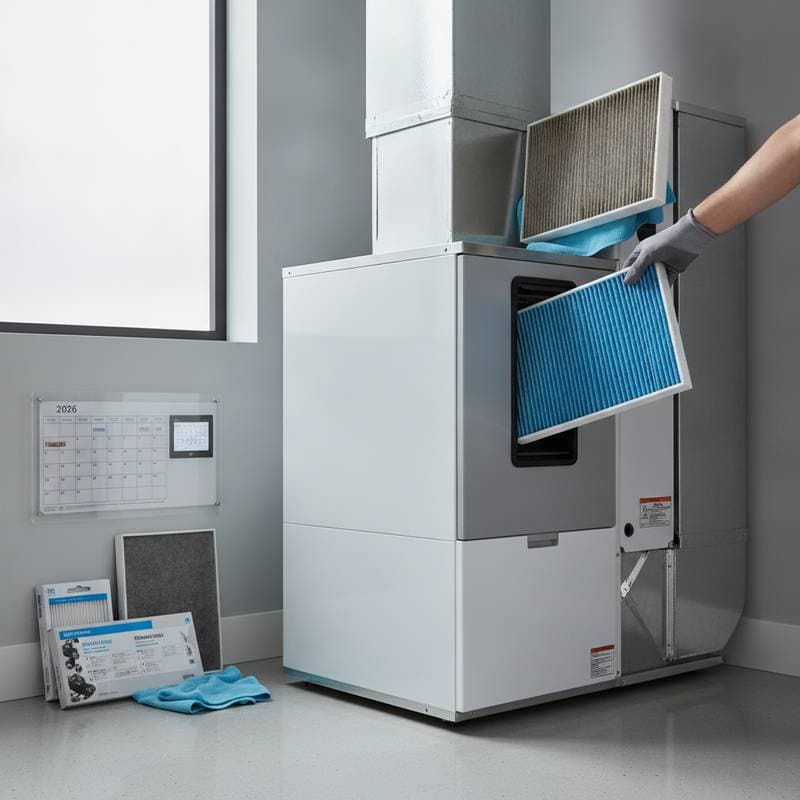
Most homeowners manage filter swaps independently with ease. The process demands no specialized equipment. Shut off the unit, remove the existing filter, verify directional arrows for airflow, and install the new one accordingly. Record the dimensions indicated on the filter frame for future purchases.
Seek expert intervention for signs of underlying problems, including reduced airflow, temperature inconsistencies, or lingering smells. Technicians evaluate ducts, measure static pressure, and verify secure filter enclosures. They might suggest enhancements like media cabinets or electrostatic alternatives for superior results.
Integrating monthly changes with annual professional tune-ups optimizes outcomes. Such combined efforts clean coils, fans, and drains alongside filters, maximizing efficiency and longevity.
Linking to Environmental Benefits
These regulations target energy conservation and emission reductions. Obstructed filters increase electricity demands as systems labor to circulate air. Clean filters decrease consumption by up to 10 percent in homes, contributing to broader national decreases in carbon emissions while benefiting individual budgets.
Frequent disposals raise waste concerns, yet advancing materials address this. Recyclable components and eco-friendly frames emerge from producers. Recycling programs, including mail-back options, gain traction to support sustainable practices under the new framework.
Steps to Implement the Changes
Establish a monthly calendar reminder for filter inspections and swaps. Designate a fixed date to maintain consistency. Advanced thermostats with built-in monitoring notify users of rising resistance, facilitating timely action.
Purchase filters in bulk for cost efficiency and availability. Store them in a protected, dust-free area to preserve integrity. For properties with multiple units, affix labels noting sizes and due dates to streamline organization.
Pitfalls to Sidestep
Homeowners often encounter avoidable errors that compromise performance. Steer clear of these issues:
- Disregarding airflow orientation. Backward installation obstructs flow and burdens the motor.
- Inadequate cleaning of reusable filters. Surface rinsing fails to dislodge microparticles; ensure full drying post-cleaning.
- Inappropriate use of high-MERV filters. Dense media overwhelms unprepared systems.
- Operating without a filter. Brief periods suffice to deposit debris on internal parts.
- Overlooking scheduled checks. Clogging accelerates in high-demand seasons despite apparent cleanliness.
Contractor Responses to the Regulations
Service providers anticipate heightened demand for guidance and visits. Subscription models for filter delivery or on-site exchanges simplify compliance for clients. Professionals integrate these with routine servicing to ease adherence.
Surveys among certified technicians reveal widespread adoption of delivery services. Collaborations with automation ecosystems synchronize alerts, minimizing user involvement while ensuring regulatory alignment.
Building Long-Term System Health
Beyond compliance, monthly maintenance fosters a superior living environment. Reduced allergens benefit respiratory health, safeguard devices, and minimize dusting. Vigilant habits sharpen detection of anomalies like noises or usage surges, enabling prompt interventions.
For home sales, maintenance records underscore diligent care, potentially elevating value and easing appraisals.
Sustaining Efficiency Through Routine Care
Adopt a reliable schedule, select suitable filtration levels, and track airflow metrics. Handle tasks personally or via experts as needed. Fresh filters ensure enduring, cost-effective HVAC operation.